Iran and Oman announced that they have discussed a phased framework aimed at restoring safe navigation through the Strait of Hormuz, including a temporary joint maritime corridor.
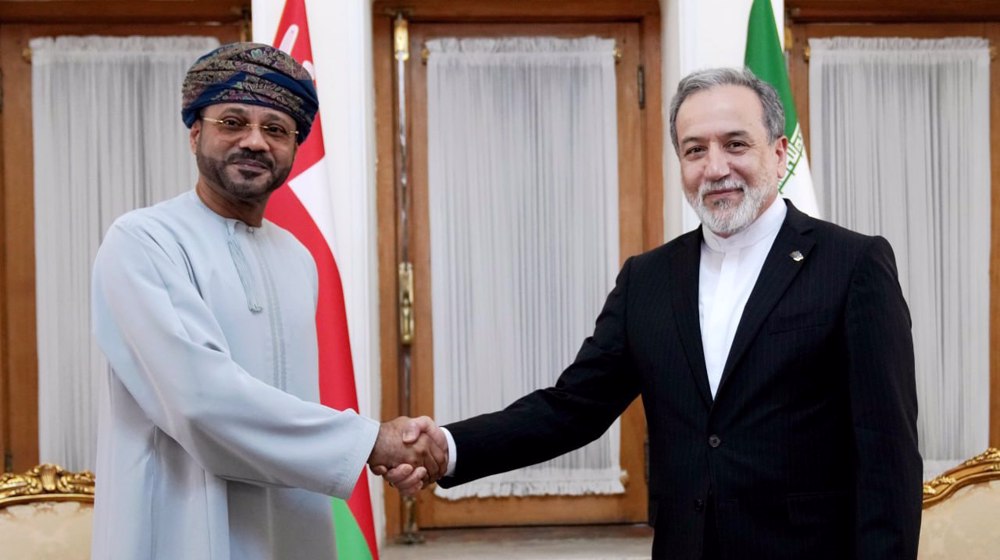
The framework was discussed during a working visit to Tehran by Oman’s Foreign Minister Sayyid Badr Albusaidi, who held talks with his Iranian counterpart, Seyyed Abbas Araghchi, according to a joint statement issued Tuesday.
The two sides said their consultations focused on resuming safe navigation through the Strait while preserving the sovereignty and sovereign rights of coastal states.
The proposed framework would initially establish a temporary joint maritime navigation corridor through the strait, alongside a joint mine-clearance project. Technical negotiations will continue toward a permanent navigation corridor and an agreement on the future administration of the waterway, the statement said.
The talks will also address mechanisms for information exchange, traffic management and the provision of maritime and security services, the statement added.
Iran and Oman, both coastal states bordering the strategic waterway, have been engaged in intensive negotiations for nearly three months over arrangements for safe shipping through the Strait of Hormuz.
The strait has remained under heightened restrictions since the start of the US-Israeli aggression against Iran on February 28, with Tehran citing security concerns and the need to safeguard its sovereignty over the waterway.
Roughly one-fifth of global oil demand passes through the Strait of Hormuz, making the waterway one of the world’s most strategically important maritime chokepoints.
Earlier this month, Araghchi said Iran and Oman were “very close” to reaching an agreement on a new mechanism for managing shipping through the strait, while stressing that its full reopening depended on US compliance with its obligations under an Islamabad memorandum of understanding.
Iran and the United States signed the memorandum in June as part of an understanding aimed at ending the American-Israeli aggression against Iran. Under the arrangement, Iran agreed to allow fee-free maritime transit through the Strait of Hormuz for 60 days.
Tehran subsequently established a special maritime route for vessels crossing the chokepoint and warned ships against using unauthorized routes.
The United States later sought to undermine Iran’s sovereignty by establishing an unsafe corridor near Omani shores. Tehran responded by reimposing restrictions on the strait, maintaining that any movement through the strategic waterway must take place under Iranian arrangements in accordance with the understanding.
Elsewhere in the joint statement, the two countries also pointed to the importance of holding joint talks with other regional countries bordering the waters of the Persian Gulf and called for compliance with applicable international law and respect for the sovereign rights of coastal states.