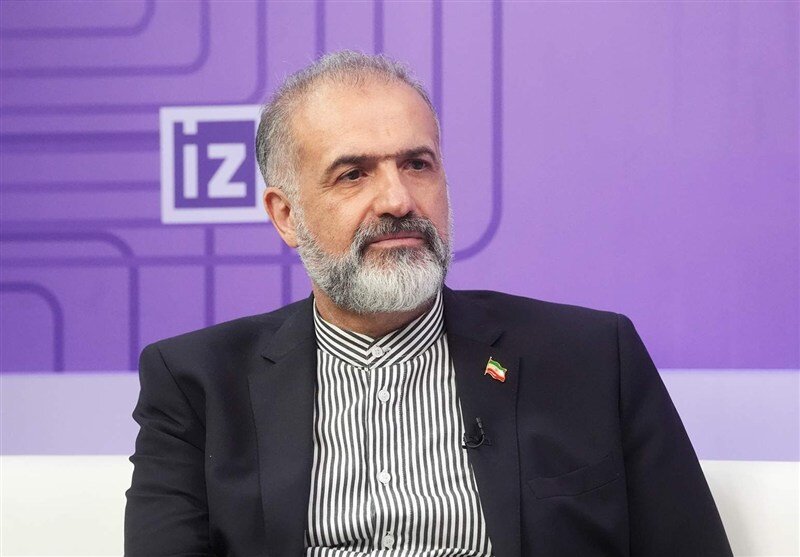
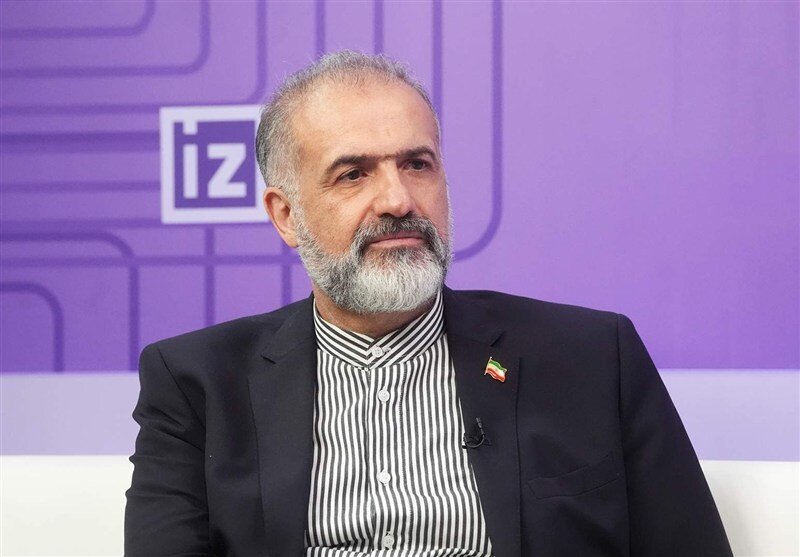
In an interview with Russia’s Izvestia newspaper, Jalali said Tehran had been prepared to involve Russia in efforts aimed at resolving disputes over Iran’s nuclear program, but stated that US President Donald Trump opposed the participation of other major powers.
“We were ready to invite our Russian colleagues to help resolve this issue, but Trump and the Americans were not interested,” Jalali said. “Trump wants to present himself as the sole person capable of solving the issue and is not prepared to give any role to other participants.”
The Iranian diplomat said Washington is also unwilling to involve European countries that participated in the 2015 nuclear agreement, formally known as the Joint Comprehensive Plan of Action (JCPOA).
Asked if Tehran currently allows for some kind of nuclear deal, which was concluded in 2015 with the same European guarantors, Jalali said, “In fact, Europe does not currently occupy any place in these processes. Where is Europe now? You should not count on them. Trump is not ready to give any role to his European friends. As I said, he does not want to allow other participants, Trump wants to say that he is the only person deciding this issue.”
Elsewhere in the interview, Jalali reiterated that Iran has never sought to develop nuclear weapons and therefore has no reason to provide guarantees regarding a program it says does not exist.
“We have never sought to create nuclear weapons,” he said, adding that numerous inspections by the International Atomic Energy Agency (IAEA) had failed to produce evidence that Iran was pursuing a nuclear bomb.
The ambassador argued that Iran’s uranium enrichment activities were carried out in response to practical needs and the failure of other parties to fulfill their commitments. He said Iran initially increased enrichment levels to produce fuel for the Tehran Research Reactor after being unable to obtain the required fuel from abroad, despite following established IAEA procedures.
Jalali also said a subsequent increase in enrichment levels came after the United States withdrew from the 2015 nuclear deal and European parties failed to honor their obligations under the agreement.
According to the envoy, Iran remains committed to the peaceful use of nuclear energy and continues broad cooperation with Russia in the civilian nuclear sector. He noted that Russian contractors are involved in the construction of additional units at the Bushehr Nuclear Power Plant and that the two countries are expanding cooperation in nuclear energy projects.
Jalali further stressed that Russia and Iran currently enjoy their strongest banking and economic cooperation in history, with bilateral trade increasingly conducted in national currencies. He also expressed Tehran’s support for a visa-free regime for Russian citizens, saying Iran has already presented proposals on the matter to Moscow.
Regarding regional developments, the ambassador said Iran and Oman are discussing a future framework for managing the Strait of Hormuz. While emphasizing that Tehran is not interested in keeping the strategic waterway closed, he said any reopening would take place under new arrangements determined jointly by Iran and Oman.
The diplomat also dismissed Western media reports about divisions within Iran’s leadership, saying the country’s political institutions remain united and fully functional. He rejected claims of instability within the government and said Iranian authorities had successfully managed the country throughout recent conflicts and crises.
MNA/TSN