Donald Trump’s war against Iran demonstrated that the Strait of Hormuz is one of the critical pressure points against the United States. A waterway that Trump claimed the US does not need, yet any disruption in it imposes costs on everything from energy prices to the livelihood of Americans.
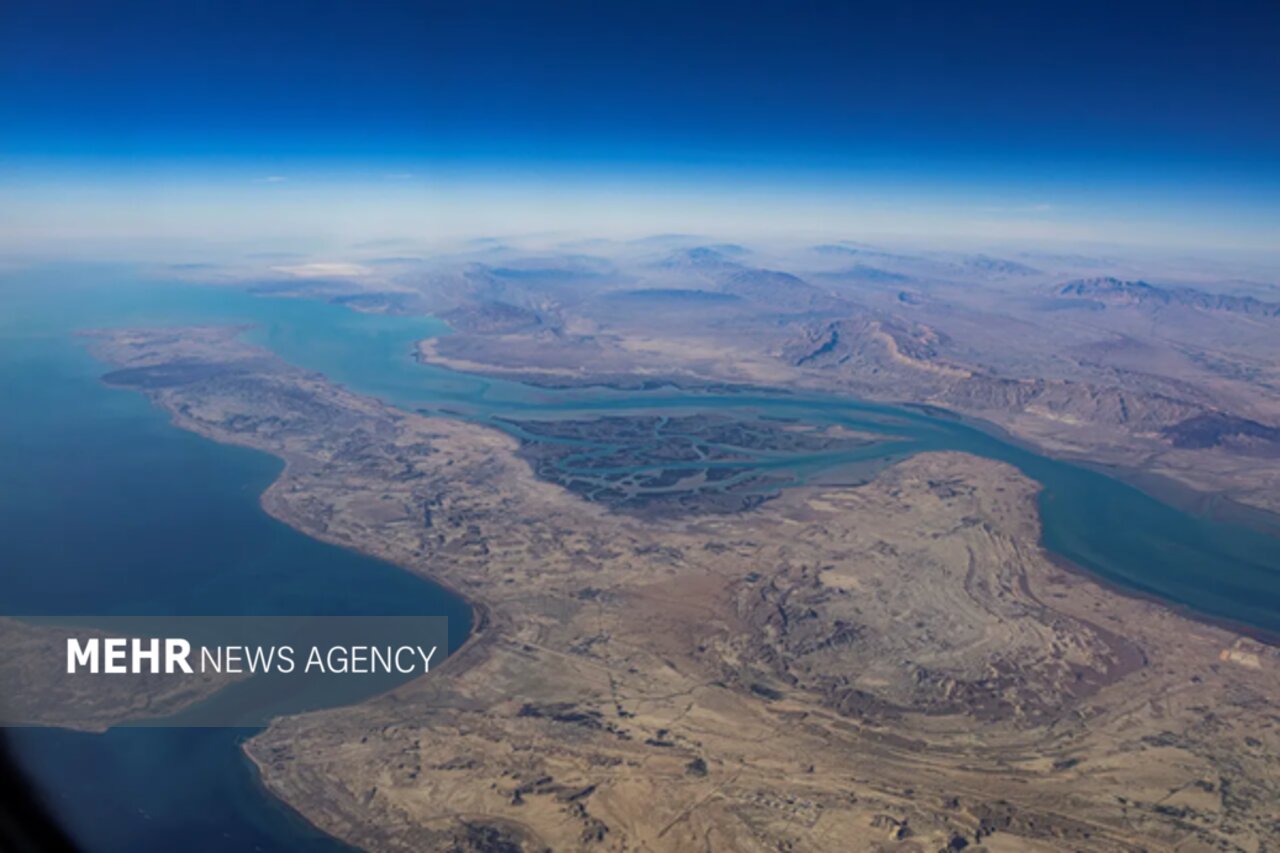
During the recent aggressive attacks by the United States and the Zionist regime on Iran and the current fragile ceasefire, the Strait of Hormuz has not merely been a narrow waterway between the Persian Gulf and the Gulf of Oman, but has transformed into a stage where the true power of nations is measured, and this strait has become one of Tehran’s most important strategic cards in the ongoing developments.
Although the United States claimed in its propagandistic rhetoric that it does not need Hormuz, the reality of the battlefield and the market revealed something else, because this waterway is the transit route for approximately one-fifth of global oil consumption and nearly one-fifth of global liquefied natural gas trade. For this reason, whenever Tehran altered the level of access and security of this passage, the effect was seen not only in the Persian Gulf region but in energy prices, global markets, and the livelihood of the American people as well.
The Multiple Impacts of the Closure of the Strait of Hormuz on America
1. Impact on the US Energy Market
Experts believe that when Trump says America does not need the Strait of Hormuz, he is stating only a limited part of the reality and ignoring the main part of the story. It is true that America’s direct imports of oil from Persian Gulf countries have decreased, but the American economy still breathes with global oil prices and is harmed by their shocks.
The US Energy Information Administration announced that in 2024, the United States imported approximately 0.5 million barrels per day of oil and condensates from Persian Gulf countries via the Strait of Hormuz route, which constituted only 7 percent of US crude oil imports and about 2 percent of the country’s petroleum liquids consumption. However, this same institution has emphasized that the Strait of Hormuz remains one of the world’s most vital energy chokepoints.
For this reason, with the halt of a large portion of ship traffic on this route, the price of Brent crude rose from $61 in January and $72 in February to over $100 in March, and the American market was hit from the same point. Therefore, America may buy less oil from Hormuz, but it is greatly affected by it.
2. Impact on the Livelihood of the American People
The primary pressure of this crisis has been felt by the American people in their daily lives and not just in energy market charts. The American Automobile Association announced that on April 2, 2026, the average price for a gallon of regular gasoline in the United States reached $4.08, which is 10 cents more than a week earlier and $1.08 more than a month earlier. This surge was not just a number on paper; it meant more expensive daily commutes, increased costs for taking children to school, higher expenses for workers and drivers, and a heavier monthly burden for households.
A Reuters/Ipsos poll also showed that 55 percent of Americans said that high gasoline prices have hit their household budgets, and 21 percent said this pressure has been “very significant.” Consequently, the disruption in the Strait of Hormuz has transformed from a distant issue in the Persian Gulf region into a tangible pressure on the pockets of the American people.
3. Inflationary and Economic Impact
The Hormuz shock has not only disrupted the fuel market; it has also driven up inflation within the United States and broadened the economic pressure. The US Bureau of Labor Statistics announced that the Consumer Price Index rose 0.9 percent month-over-month in March 2026, which is considered the largest monthly increase in several years.
The same report states that the energy index grew by 10.9 percent and gasoline prices rose by 21.2 percent; to the extent that the US Bureau of Labor Statistics said this was the largest monthly jump in gasoline prices since the index began publication in 1967.
When the prices of gasoline, heating fuel, airline tickets, and transportation costs rise simultaneously, the pressure not only affects drivers; it impacts the price of goods, services, distribution, travel, agriculture, and the entire American economic landscape. This is where Trump’s threadbare claim is exposed.
4. Political and Social Impact within the United States
The recent re-closure of the Strait of Hormuz has not only created an economic headache for Washington but has turned it into a social and political issue within the United States. Reuters has reported that the war and the Strait of Hormuz crisis exposed Trump’s main vulnerability, and that vulnerability was the economy and livelihood pressures. The same report explains that Iran, by using the Strait of Hormuz leverage, has been able to pressure the United States economically and create a political cost without necessarily having the upper hand militarily.
The meaning of this situation is clear: when fuel prices rise, transportation and production costs increase, farmers worry about the high cost of inputs, and people see its effect in their everyday purchases, American society no longer views this crisis as a purely foreign issue but as a part of its own livelihood crisis. For this reason, the Strait of Hormuz issue has gradually transformed in American public opinion from a security dossier into a livelihood and political dossier.
5. Impact on Trump’s Status and Popularity
This crisis has ultimately come back to Trump himself and has turned that very claim of non-dependence into a point of vulnerability for him. A Reuters/Ipsos poll showed that Trump’s approval rating has plummeted to 36 percent, which is the lowest level since his return to the White House. In the same poll, only 25 percent of people approved of his performance on the cost of living, and only 29 percent approved of his economic management.
Another Reuters/Ipsos poll also showed that 63 percent of Americans were dissatisfied with his management of the cost of living for the nation. These numbers signal only one meaning: the Strait of Hormuz crisis has directly turned into a popularity crisis for Trump. He wanted to say that the US is not dependent on the Strait of Hormuz, but American public opinion witnesses something else.
The Strategic Contradiction in Trump’s Narrative
The primary contradiction in Trump’s narrative begins here: he equates the reduction of America’s direct dependence on oil transiting the Strait of Hormuz with America’s immunity from its consequences. Yet these two are not the same. The US Energy Information Administration has clarified that the closure of the Strait of Hormuz was one of the main factors behind the surge in oil prices in 2026, and this same issue put pressure on the American energy market as well. Therefore, even if America imports less oil via this vital chokepoint, it still suffers and pays the cost of the price shock.
The second contradiction lies in the fact that the Trump administration itself, by intensifying pressure and escalating tensions, contributed to expanding the very crisis from which it later claimed the US would not be harmed. Reuters reports indicate that, simultaneously with maritime threats and pressures, Iran was able to use the Strait of Hormuz leverage to impose economic costs on the United States. The result was that Washington, contrary to its initial rhetoric, moved towards de-escalation and a diplomatic path under market and public opinion pressure. This shift in behavior showed that the claim of non-dependence was, in practice, incompatible with the reality of America’s decision-making.
The third contradiction is seen in the linkage of Trump’s foreign policy with his domestic policy. Trump came to office promising to curb inflation and reduce livelihood pressure, but the Strait of Hormuz crisis precisely targeted the very point on which he had staked his domestic reputation. Rising gasoline prices, inflation growth, pressure on the cost of living, and a drop in popularity caused this crisis to transform from a foreign dossier into a domestic threat for him. For this reason, Hormuz did not remain just a geopolitical issue for Trump but became a political and economic trap within the US.
The ongoing crisis has shown that the Strait of Hormuz may no longer be a major import chokepoint for the United States, but it remains a strategic pressure chokepoint. This crisis proved that the United States might be less dependent on the Strait of Hormuz in terms of direct oil supply, but in terms of global energy prices, the livelihood of its people, economic stability, and political credibility, it is still vulnerable to this waterway. For this reason, Trump’s claim about America’s independence from the Strait of Hormuz has been more of a political slogan than a strategic reality; a slogan that showed its weakness with the first serious wave of economic and political pressure.
MNA