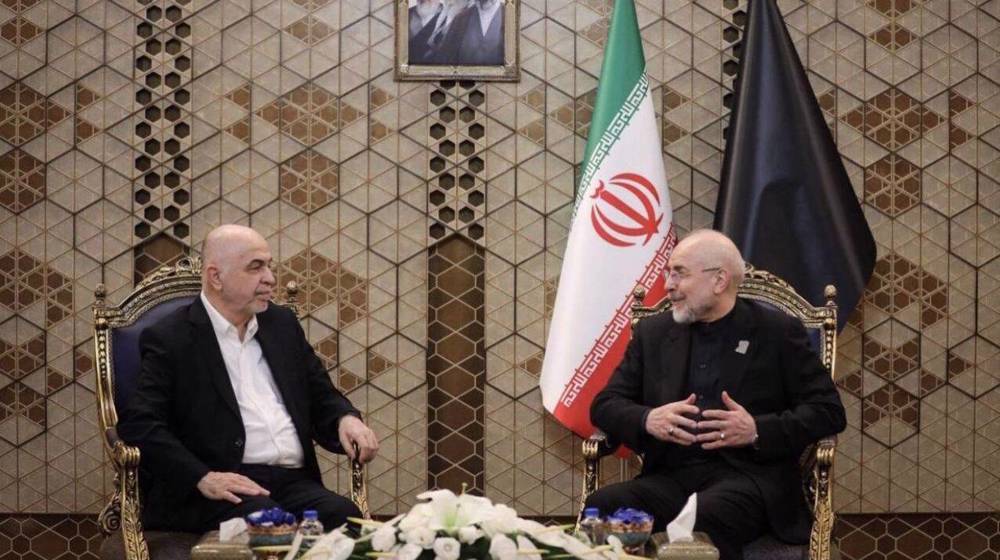
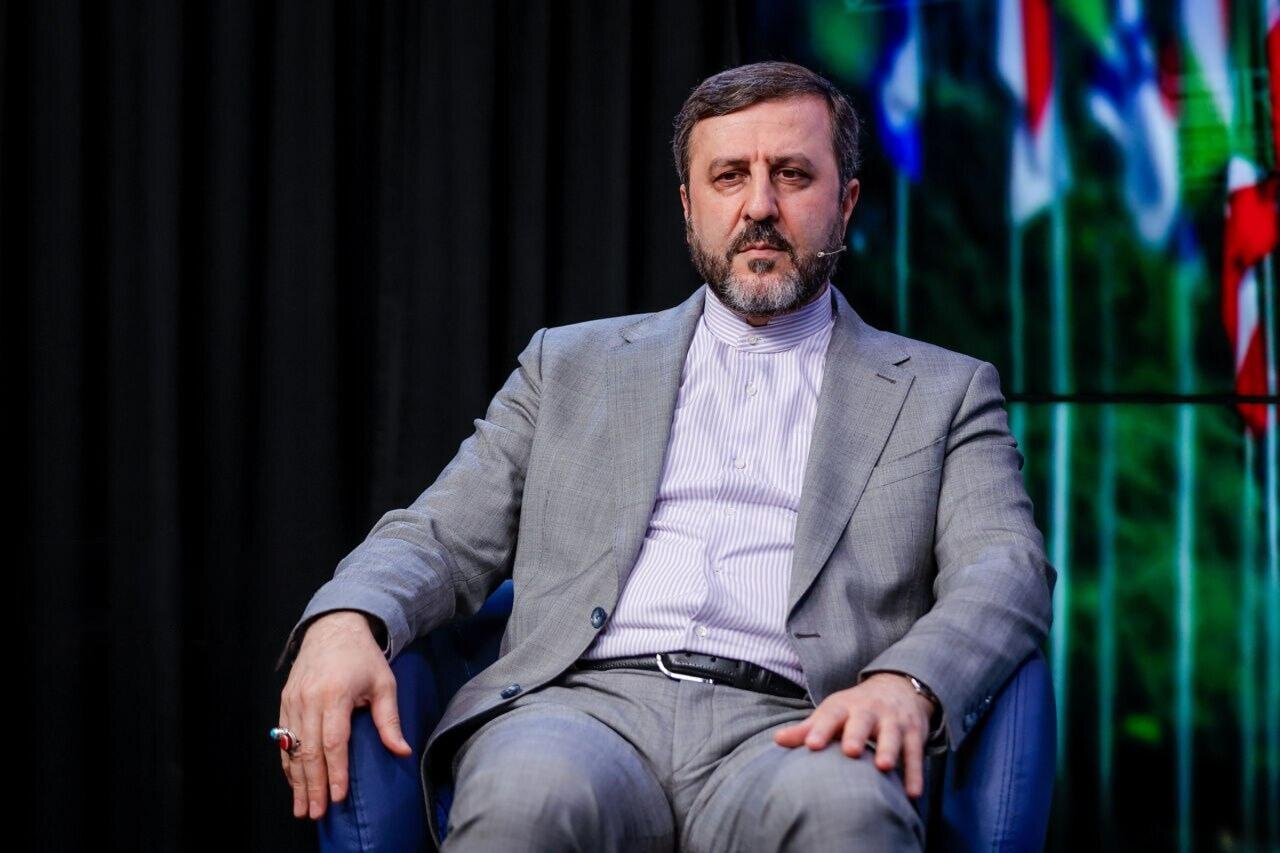
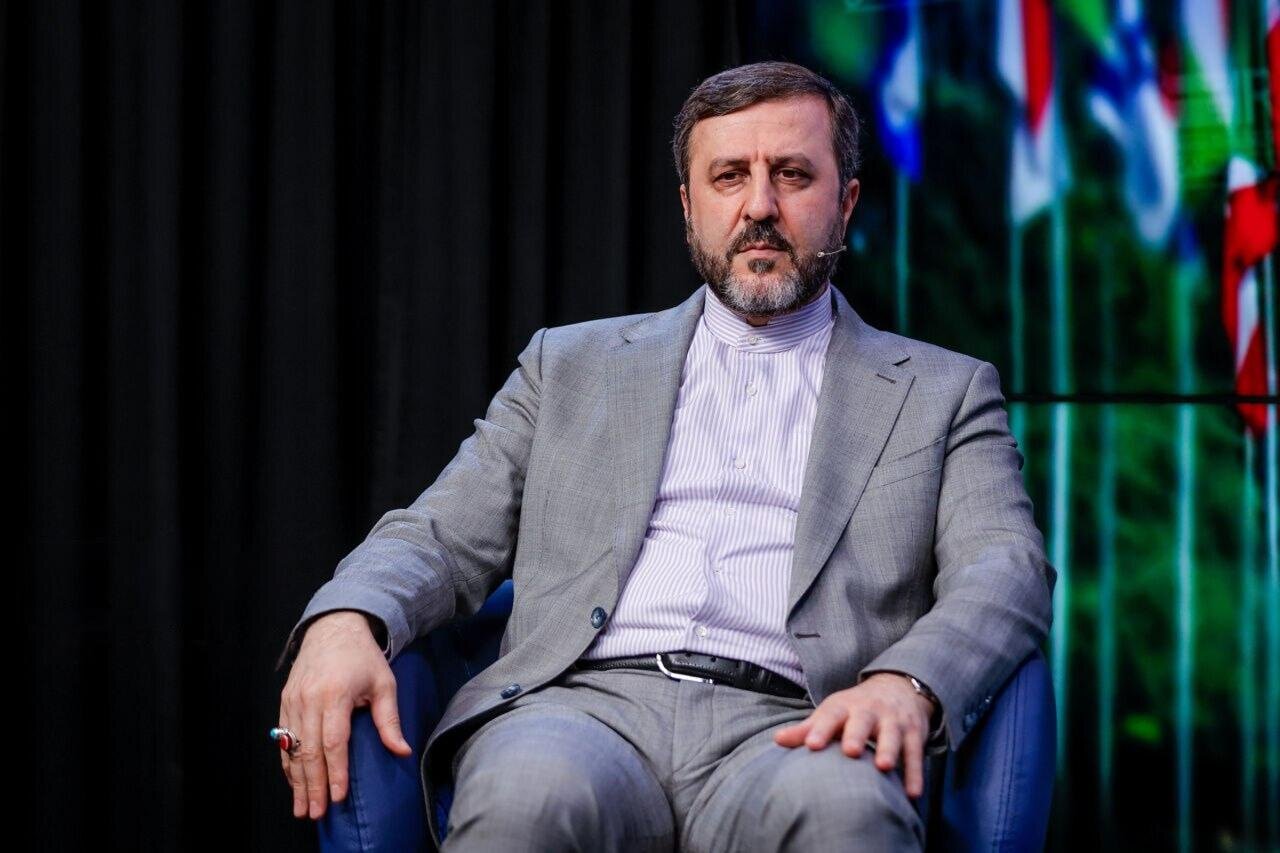
Gharibabadi, who is in The Hague to attend the 31st annual conference of the OPCW Conference of the States Parties, made the remarks during a meeting with the organisation’s Director-General, Sabrina Dallafiore Matera, where he outlined Iran’s positions and demands regarding the implementation of the Chemical Weapons Convention.
Highlighting Iran’s status as the largest victim of chemical weapons in contemporary history, Gharibabadi said chemical attacks against the country had left approximately 13,000 people killed and 100,000 wounded. He also described unilateral sanctions as a major obstacle to providing chemical weapons victims with access to medicines and medical equipment, urging the OPCW to pay particular attention to their needs and fulfil its international responsibilities towards them.
The Iranian deputy foreign minister also highlighted Iran’s scientific and medical capabilities in treating chemical weapons victims, noting that the country had organised 11 international training courses in this field. He called on the OPCW director-general to support Iran’s candidate for membership in the Scientific Advisory Board and facilitate the recruitment of qualified Iranian experts to the organisation’s Technical Secretariat.
Another key issue raised during the meeting was the recent US and Israeli attacks on Iranian facilities. Stressing the need to maintain the independence, impartiality and transparency of the OPCW Technical Secretariat, Gharibabadi said that several of Iran’s declared chemical facilities, which were subject to the organisation’s inspections, as well as facilities adjacent to the country’s designated laboratory, had sustained damage during the attacks.
Referring to Iran’s initiative to establish a prohibition on attacks against chemical facilities during armed conflicts, he called on the OPCW to adopt a clear position and investigate the various aspects of the attacks.
Gharibabadi also expressed concern over reports of the Israeli regime’s use of chemical substances against civilians in the occupied Palestinian territories, calling for immediate investigations and the provision of necessary assistance and protection to the Palestinian people. He described Israel’s refusal to join disarmament treaties as a serious threat to regional security.
For her part, the OPCW director-general stressed the importance of addressing the medical needs of chemical weapons victims and said a joint training course on treating chemical injuries would be organised when conditions permit. She also expressed her interest in visiting Iran at an appropriate opportunity.
MNA