The AIMPLB is likely to challenge an Allahabad High Court ruling dismissing a petition seeking permission for a Class 11 student to wear a hijab with her school uniform. The court held that wearing a headscarf was not established as an essential religious practice
Published Date – 25 August 2026, 06:23 PM
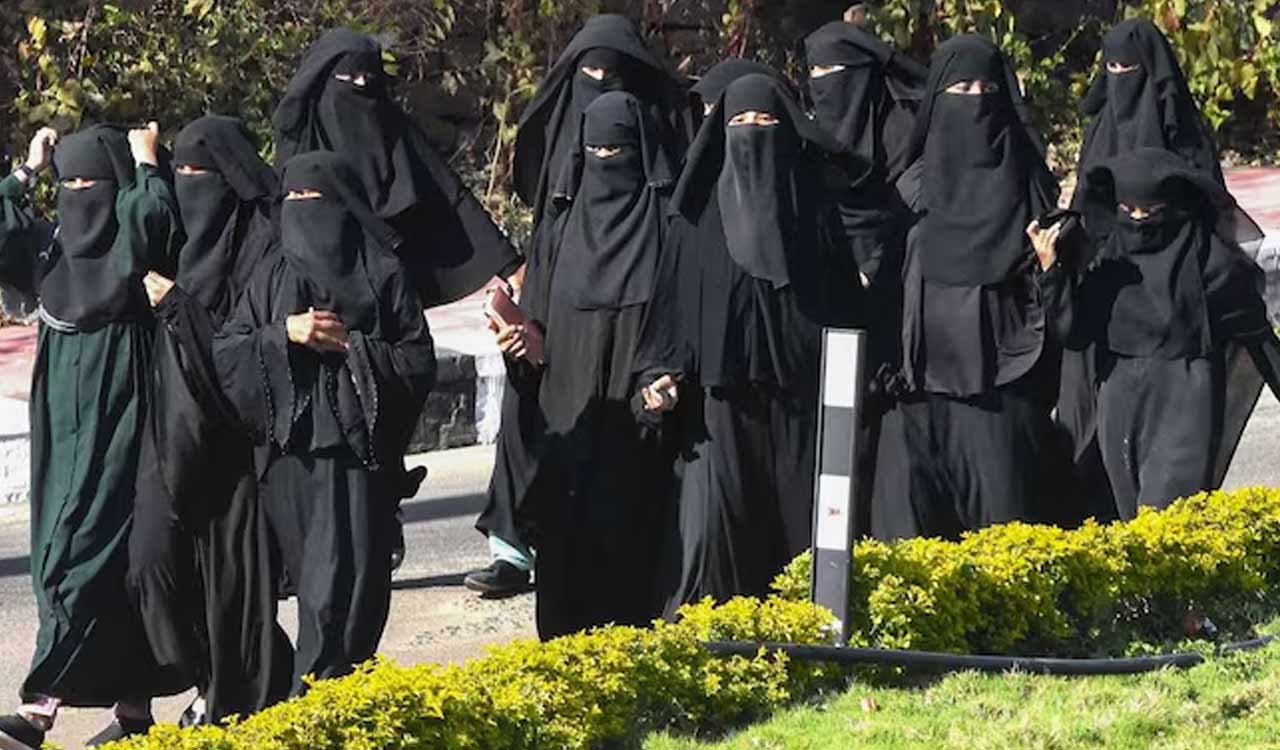
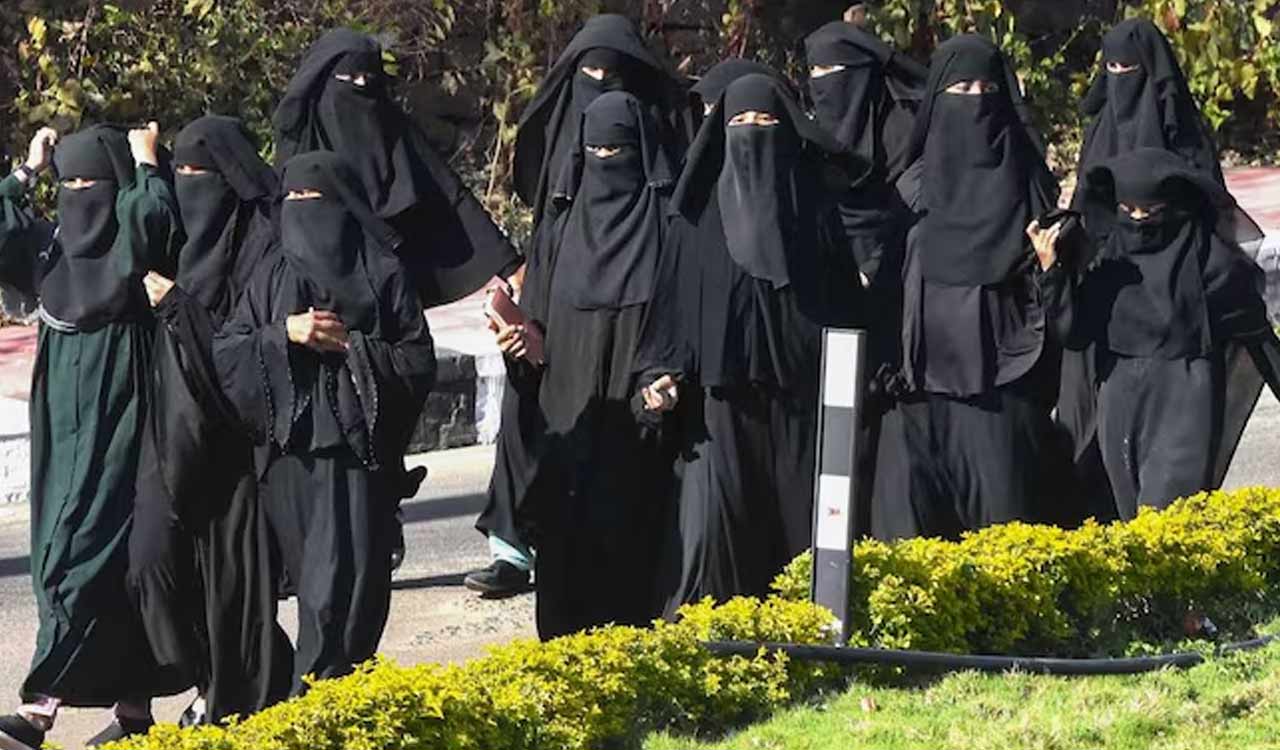
Lucknow/Prayagraj: The All India Muslim Personal Law Board (AIMPLB) is likely to challenge the Allahabad High Court’s dismissal of a petition seeking permission for a student to wear a hijab or headscarf with the school uniform. The petitioner is a minor student of the private Tagore Public School, Attarsuiya, Prayagraj. She is seeking admission to class 11 at the same school.
A two-judge bench of Justice J J Munir and Justice Indrajit Shukla dismissed the petition, holding that the petitioner did not establish that wearing a headscarf was an essential religious practice without which her faith would be jeopardised.
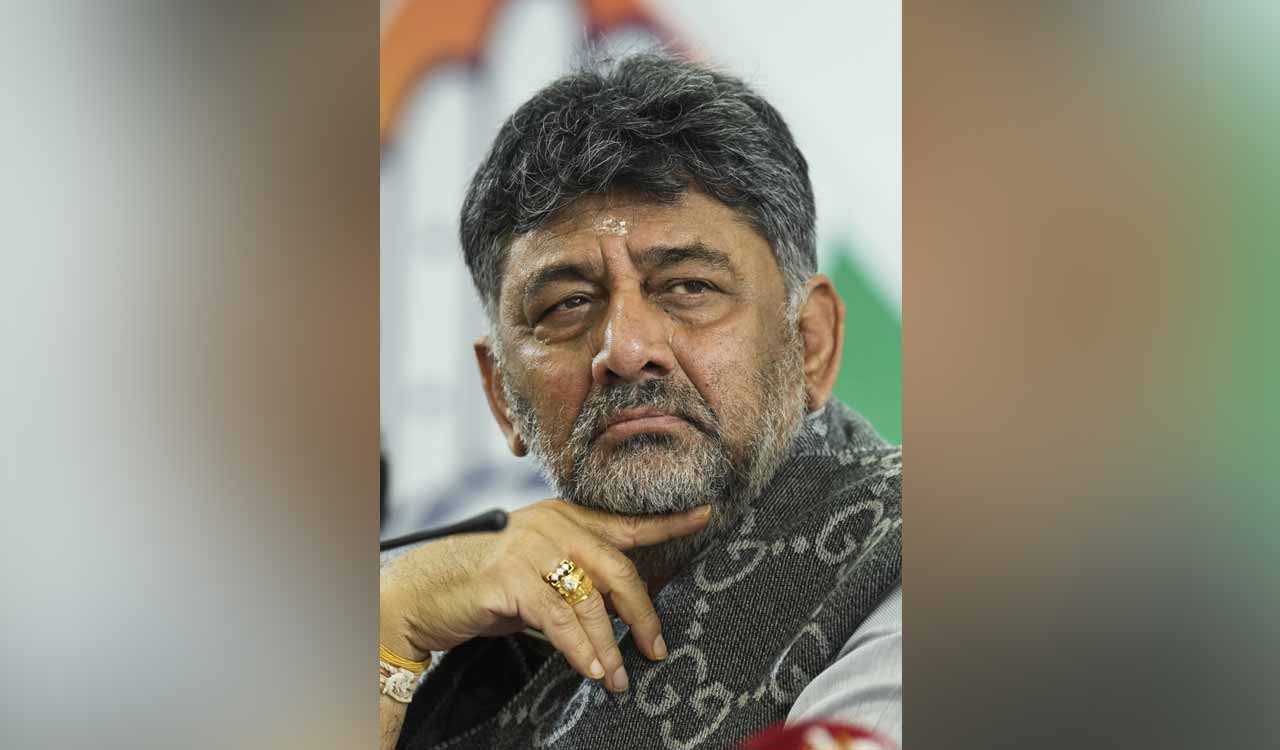
“We are aware of the case. I think there is some confusion somewhere. Because hijab has always been an integral part of Islam. We will definitely approach the court and present our case,” AIMPLB member and cleric Khalid Rasheed Firangimahal told PTI in Lucknow on Tuesday.
The cleric said the Constitution permits a person to follow the basic and integral tenets of their religion. “As for this particular case, we feel that there is definitely some confusion. Hijab is mentioned in both Quran and Hadees and Muslim women globally wear it,” he said.
Rasheed, however, said that students must also follow the dress code prescribed by their schools. “There is absolutely no issue with adhering to a prescribed dress code. But what if at the same time a girl student wants to follow her religious obligations? We feel that the court decision needs to be reviewed,” he said.
In its August 21 judgment, the high court observed that “wearing a headscarf is not essential part of the Islamic faith for a women to don, in the absence of which, faith would be jeopardised.” The bench noted that it had perused photographs from various classes and found that except the petitioner, no other girl student was wearing a headscarf, “even those belonging to the same religious community as the petitioner.”
“Here, as already remarked, no such factual foundation has been laid or material placed on record to establish a case that the donning of a headscarf is an essential part of religion for a Muslim female forsaking which would oust the girl or woman concerned from the faith that she professes and practices,” it said.
The court further observed that the petitioner’s claim that wearing a headscarf was an essential religious practice was a “bare assertion.” “There is no pleading or authoritative religious text or material placed on record, sufficient by itself to establish that the practice asserted by the petitioner about the obligation to wear a scarf inside the classroom is obligatory upon her and the non-observance thereof would alter the fundamental character of her faith,” the court said.
It held that a claim based on Article 25 of the Constitution could not be accepted on a mere assertion without the necessary factual and legal foundation.
The state opposed the plea, with Additional Chief Standing Counsel Girijesh Kumar Tripathi submitting that the school was a private unaided institution and was not subject to the state’s jurisdiction in regulating its internal administration, including uniform.
Tripathi said prescribing a uniform is a matter of school policy and does not violate the fundamental right to practise, profess or propagate religion. Counsel for the Central Board of Secondary Education, Alok Tiwari, supported the state’s submissions and argued that the petitioner is not entitled to the relief sought. “In the result, this writ petition fails and is dismissed,” the bench said.