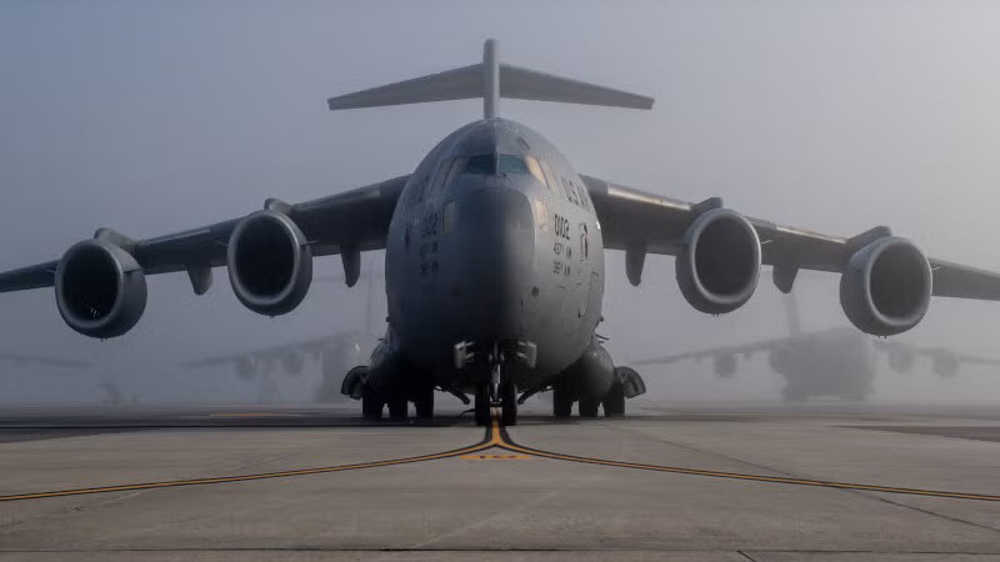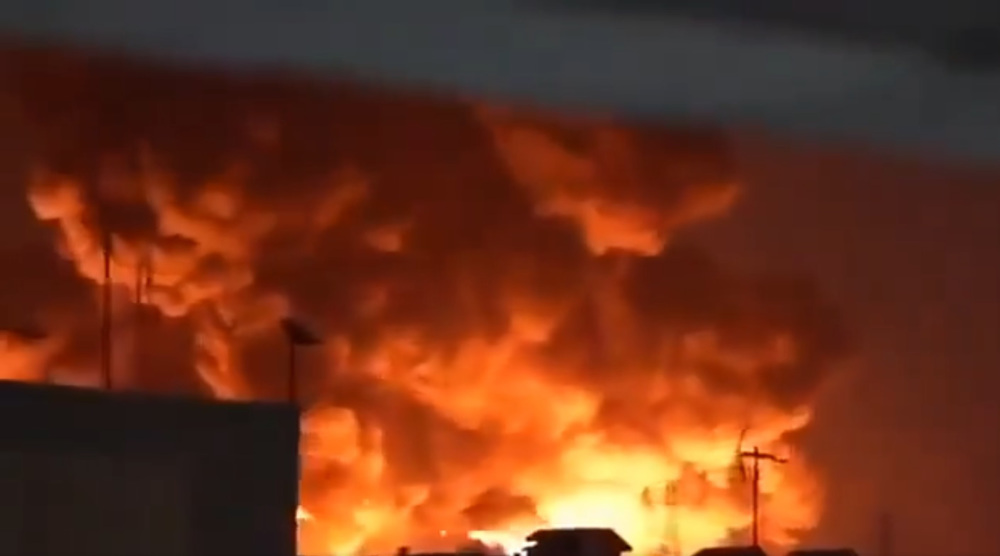
An Iraqi anti-terror coalition has set an August 7 deadline for Baghdad to respond to joint Saudi-US airstrikes that targeted Popular Mobilization Units (PMU) across the country, killing at least 20 fighters and wounding 32 others.
The Islamic Resistance in Iraq contested a late-September deadline for disarmament on Wednesday, arguing that Baghdad must first demonstrate its ability to defend the country’s sovereignty, deter future attacks, and hold perpetrators of recent strikes accountable.
The coalition also pledged to retaliate against the United States, emphasizing that reprisals were “inevitable” and could extend to US assets in Saudi Arabia if circumstances required.
It said any retaliatory measures would be held off until after the Arba’een mourning ceremony, which marks the 40th day after the martyrdom anniversary of Imam Hussein (AS), the third Shia Imam and the grandson of Prophet Mohammad (PBUH), to avoid disruption of the pilgrimage and religious processions.
The PMU, commonly known as Hashd al-Sha’abi, said its positions in the provinces of Baghdad, Wasit, Nineveh, Basra, Kirkuk, Karbala and Diyala were targeted early on Wednesday, causing material damage to the headquarters, vehicles and military equipment.
The anti-terror resistance force described the attacks as a “dangerous escalation,” a “violation of Iraq’s sovereignty” and an attack against the country’s official security institutions.
The PMU said specialized committees were continuing field operations to establish more accurate figures and information, saying that the number of those killed and wounded could rise.
Hashd al-Sha’abi resistance fighters have played a major role in the liberation of Daesh-held areas to the south, northeast, and north of the Iraqi capital Baghdad, ever since the terrorists launched an offensive in the country in June 2014.
Back in November 2016, the Iraqi parliament approved a law giving full legal status to the PMU fighters. It recognized the PMU as part of the national armed forces, placed the forces under the command of the prime minister, and granted them the right to receive salaries and pensions like the regular army and police forces.