Musi Jan Andolan urged the State Level Expert Appraisal Committee to reject environmental clearance for the Musi Riverfront Development Project, alleging it prioritises real estate development over public welfare and highlighting concerns over displacement, engineering works and gaps in the EIA report
Published Date – 15 July 2026, 06:17 PM
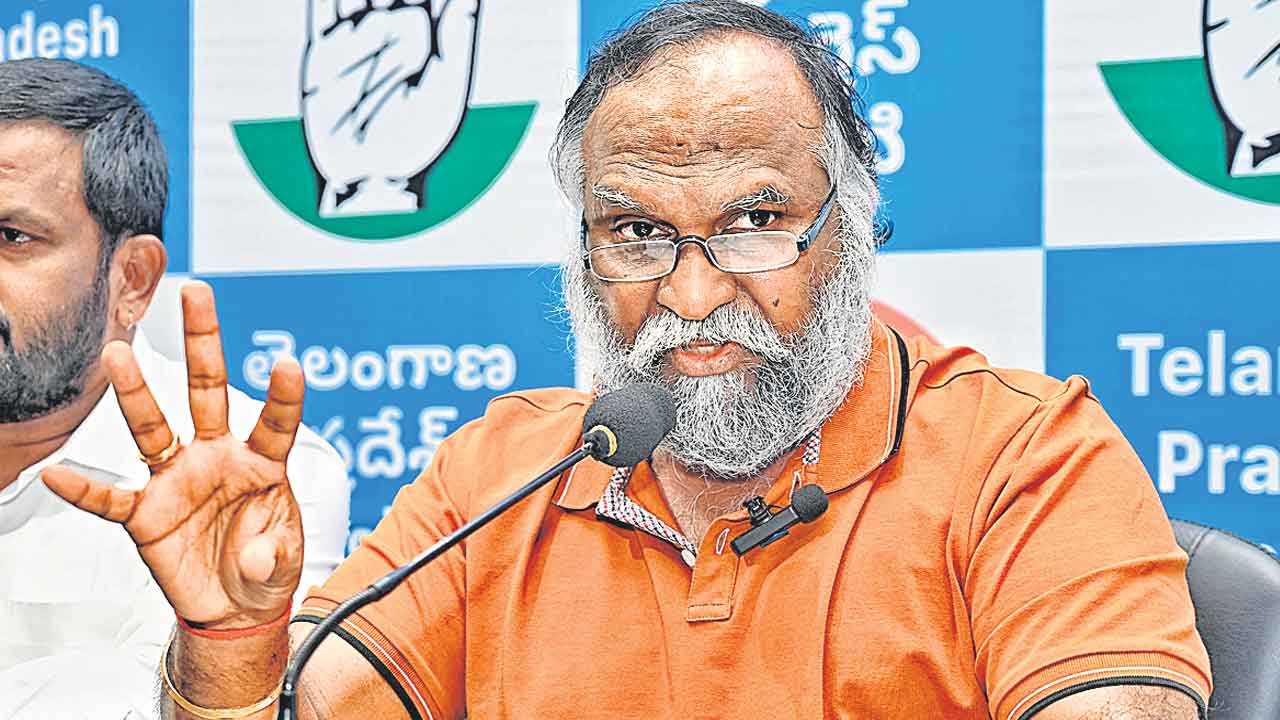
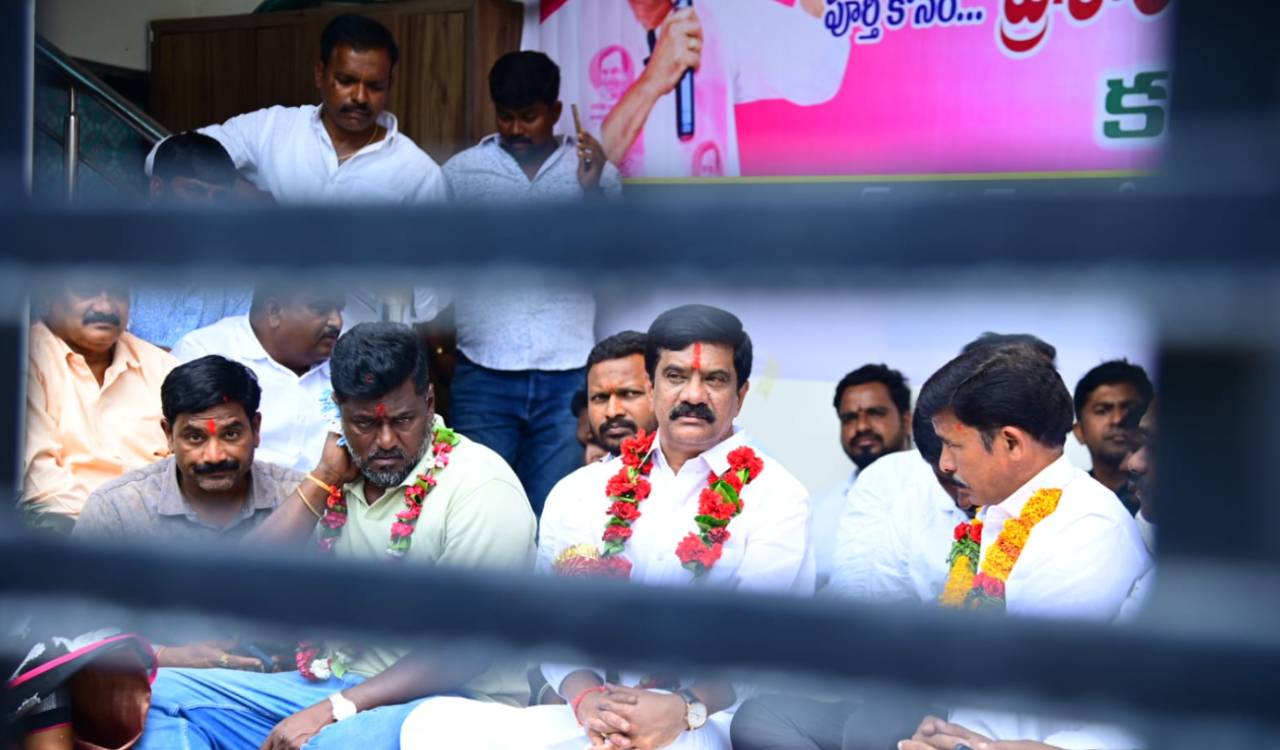
Hyderabad: Musi Jan Andolan, a city-based non-party people’s platform, strongly criticised the Musi River Development Corporation Limited (MRDCL) and said the Musi Riverfront Development Project was being prioritised as a real estate-driven project.
On Monday, Musi Jan Andolan (MJA) submitted a representation to the State Level Expert Appraisal Committee (SEAC), urging it to recommend rejection of the Environmental Clearance for Phase 1-A and Phase 1-B of the project. It said the project prioritised a commercial, real estate-driven development model involving massive road infrastructure and beautification at an enormous and irreversible social and ecological cost.
In a press release, Musi Jan Andolan members stated that more than one-third of the total project cost, or Rs 1,836.42 crore, was allocated for the construction of roads and bridges alone.
They said the cost for each component concealed the scope and extent of hard engineering works such as toe walls, revetments and retaining walls, which were budgeted at a combined total of Rs 1,887.39 crore.
Regarding displacement due to the project, it said 15,255 families would be affected and noted that 1,400 permanent and temporary structures had been identified. However, the press release said the Environmental Impact Assessment (EIA) report reduced this count to approximately 639 permanent and temporary structures without providing any explanation for the change.
MJA members also said the proposed development involved substantial earthwork operations, including approximately 44.94 lakh cubic metres of excavation.
They urged the SEAC to recommend outright rejection of the Environmental Clearance for the project in light of what they described as severe data gaps, methodological flaws and an anti-people approach in the EIA report.