The UN Food and Agriculture Organization (FAO) says only 3 percent of Gaza’s farmland remains accessible and undamaged, as Israel’s blockade and military restrictions prevent Palestinian farmers from cultivating their land, pushing food production in the besieged territory toward collapse.
In an assessment released on August 18, FAO and the UN Satellite Centre (UNOSAT) found that just 448 hectares of the besieged Palestinian region’s cropland remained accessible and undamaged as of June 24, 2026. Although 4,091 hectares—about a quarter of Gaza’s total cropland—were technically accessible, the remaining 3,643 hectares were severely damaged to be cultivated without extensive rehabilitation.
Since October 2025, accessible and undamaged cropland has fallen from 601 hectares to 448 hectares, a loss of 153 hectares, or 25.5 percent. Deir al-Balah and Khan Younis recorded the largest reductions.
FAO attributed the deterioration primarily to Palestinians being prevented by occupying Israeli forces from reaching their fields, including amid the westward expansion of the so-called “Yellow Line,” which separates the declared ceasefire zone from areas under Israeli military control.
Rafah has been particularly affected, with 97.2 percent of its cropland and 98.4 percent of its greenhouse area inaccessible to Palestinian farmers. The most extensive physical damage is concentrated in North Gaza and Gaza governorates.
The assessment found that 224 hectares, or 16.6 percent of greenhouse area, remained accessible and undamaged down from 226 hectares, or 17.3 percent, in October 2025. Deir al-Balah recorded the largest decrease.
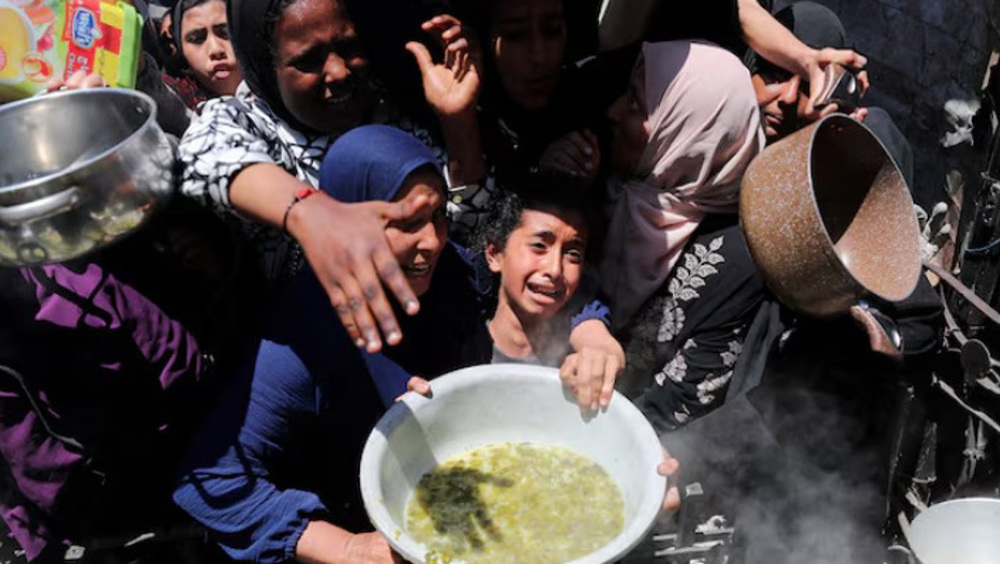
Meanwhile, farmers who can still reach their land face severe shortages of seeds, fertilizer, irrigation equipment and fuel. Livestock owners are struggling to obtain feed, veterinary supplies and animal-health services, while available supplies are often poor in quality and prohibitively expensive.
“Without urgent action to restore safe access and provide farmers with the support they need, opportunities to restore local food production will continue to diminish,” said Rein Paulsen, director of FAO’s Office of Emergencies and Resilience.
The agricultural crisis is unfolding alongside continued restrictions on humanitarian aid. Palestinian rights group Al Mezan recently reported that Israel continues to restrict aid entering the besieged territory, with only a fraction of the 600 trucks per day stipulated under the ceasefire agreement reaching Gaza. Many of the trucks that do enter carry commercial goods rather than humanitarian supplies, while Israeli inspection procedures have delayed or blocked relief shipments.
Before Israel launched its genocidal war on Gaza in October 2023, agriculture accounted for roughly 10 percent of the territory’s economy and supported the livelihoods of more than 560,000 people through farming, livestock and fishing.
Euro-Med Human Rights Monitor recently warned that Gaza’s aid network is nearing collapse as Israeli restrictions continue to disrupt deliveries of food and medicine, heightening the risk of famine.
The rights group said Gaza’s already severe food crisis could rapidly worsen, pushing vulnerable communities back towards famine.
Israel’s genocidal war has already killed more than 73,399 Palestinians and wounded over 174,310, while destroying around 90 percent of Gaza’s infrastructure, according to authorities.
The Palestinian Ministry of Health has recorded 1,266 Palestinians killed and 4,200 wounded since the so-called ceasefire took effect in Gaza on 11 October 2025.
Gaza’s Government Media Office estimates that around 9,500 Palestinians have been reported missing since the war began on October 7, 2023, many of whom are believed to remain buried beneath the rubble of destroyed buildings.