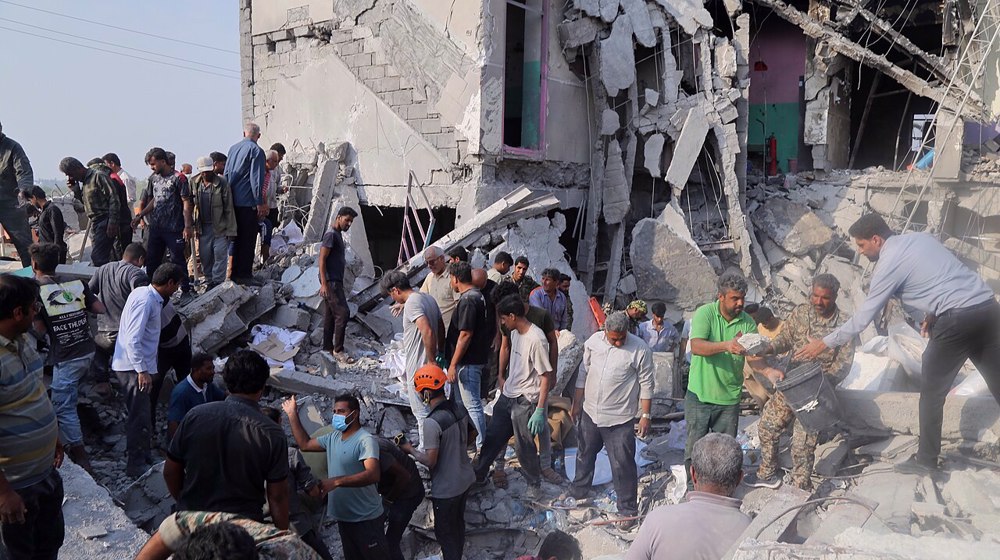
Official Lebanese sources condemned the aggression as another escalation threatening the fragile framework agreement and efforts to stabilize the border region, saying the explosions were part of a continued pattern of Israeli violations that have created widespread fear among residents due to the scale and intensity of the blasts.
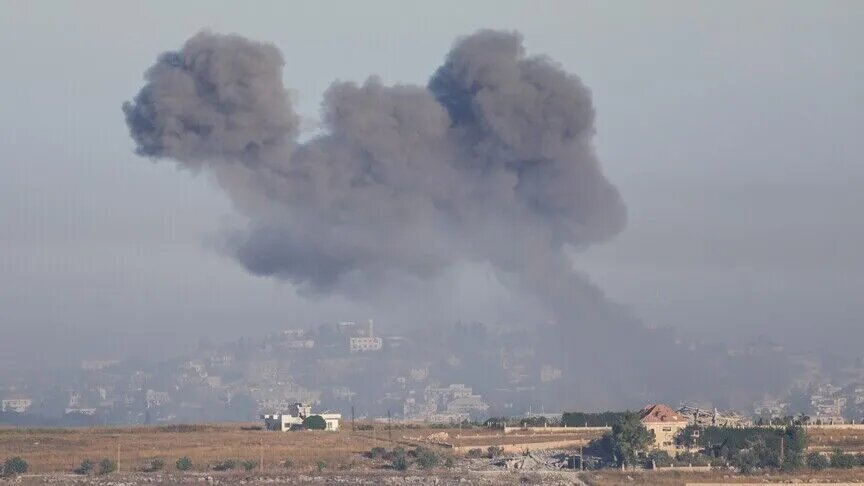
The latest escalation followed a night of heavy explosions that shook the area surrounding the historic Beaufort Castle in the Nabatieh district early Friday.
The Israeli occupation army claimed the operations targeted and destroyed a Hezbollah tunnel network in the area, a justification Lebanese officials and observers said came amid extensive destruction caused by the use of heavy explosives.
Lebanese President Joseph Aoun warned of the dangerous consequences of the Israeli escalation, saying in an official statement that the attacks pose a direct threat to the framework agreement recently reached and undermine international efforts to prevent further instability along the border.
The Lebanese presidency strongly condemned the Israeli army’s use of large quantities of explosives near Beaufort Castle, a site listed as a World Heritage location, describing the operation as unprecedented.
Beirut said the timing of the attacks carried a negative message, particularly as they came ahead of a crucial round of negotiations scheduled to be held in Rome, Italy.
Meanwhile, field sources reported that the echoes of the Israeli explosions targeting Yuhmor al-Shaqif, Arnoun and Kafrtibnit spread across large areas of southern Lebanon.
The pressure waves from the blasts reportedly reached Iqlim al-Kharroub and the Khalde area near Beirut, highlighting the destructive scale of the explosives used during the operations.
The Israeli regime’s military actions extended beyond the Nabatieh district, with forces demolishing caves and residential structures around the towns of Mansouri and Majdal Zoun in the Tyre district.
MNA