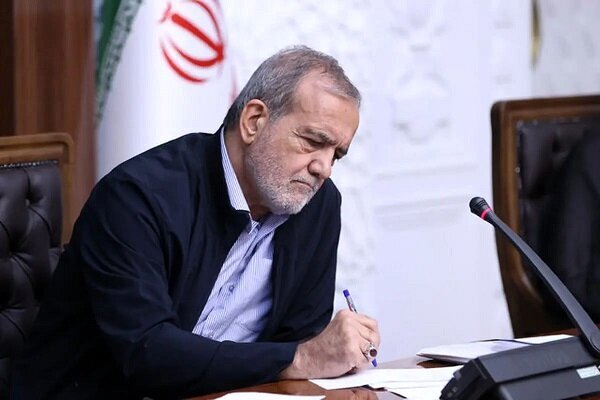
In a message released to the 19th International Railroad Transportation Conference on Tuesday, Pezeshkian described railroad development as a strategic investment in the country’s economic future, emphasizing its role in reducing transportation costs, saving fuel, improving safety and supporting domestic production and international trade.
He called for electrifying railroad lines, modernizing rolling stock, removing network bottlenecks and encouraging private-sector investment. He also highlighted the importance of developing an East-West transit corridor through Afghanistan and connecting it to China’s railroad network, particularly through the Herat-Mazar-i-Sharif route and the planned Khavaran-Cheshmeh Sorayya railroad link inside Iran.
The future of rail transport depends on taking advantage of technical knowhow, technology, and innovation, he said, emphasizing that implementation of smart network management, development of digital systems, electronic exchange of data among the railway sector, customs, ports, and transport companies, as well as use of modern technologies for fleet maintenance, should lead to enhanced safety, reduced transit times, and improved service quality.
Railroad is one of the main infrastructures that, by connecting production centers to the domestic and international markets, reducing transportation costs, and enhancing safety, can help strengthen production, expand trade, and boost competitiveness of the national economy, Pezeshkian reiterated.
MNA