
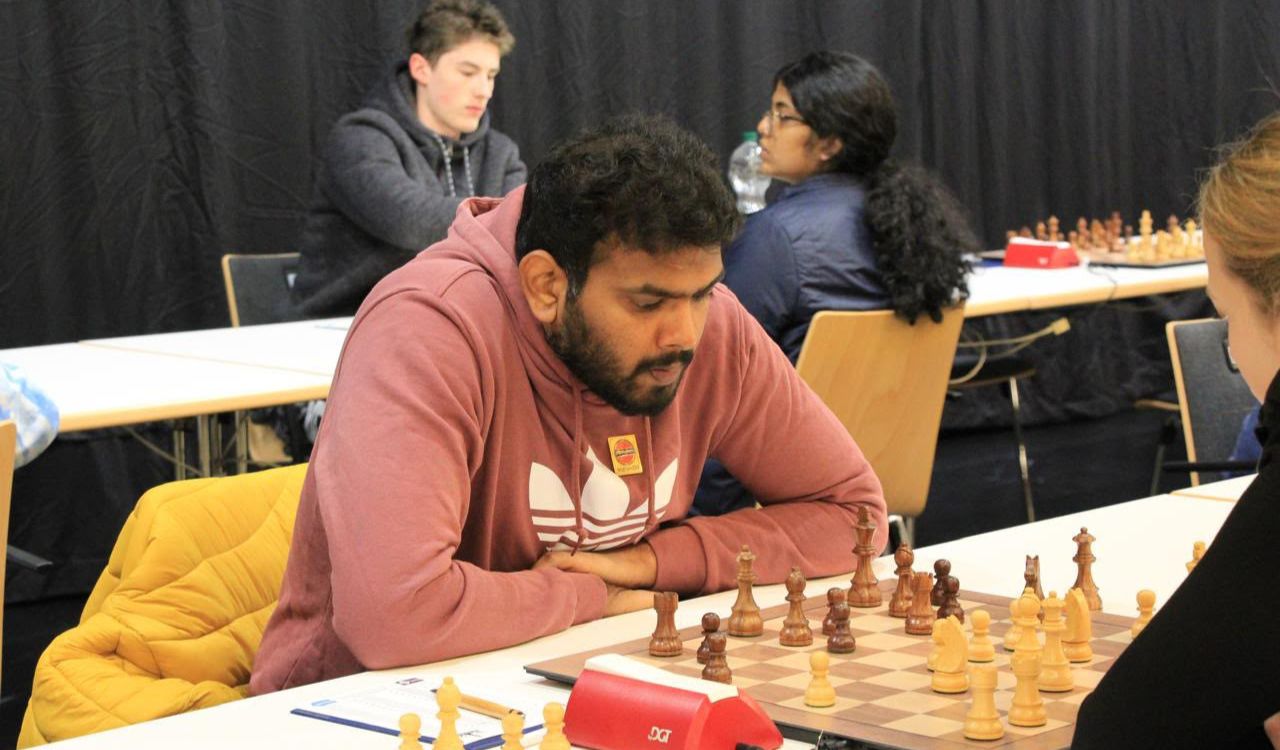
Indian grandmaster MR Lalith Babu won consecutive international chess tournaments in Germany and Spain, scoring 7.5/9 in each. In an interview, he discusses the victories, his goals, challenges, Indian chess and the support he receives from IndianOil as an athlete
Published Date – 11 November 2026, 04:01 PM
Hyderabad: For someone who has been a quiet performer in the world of chess, 33-year-old GM MR Lalith Babu feels that winning two consecutive international tournaments in Europe in the last couple of weeks highlights his experience and understanding of the game and his ability to compete strongly at the international level.
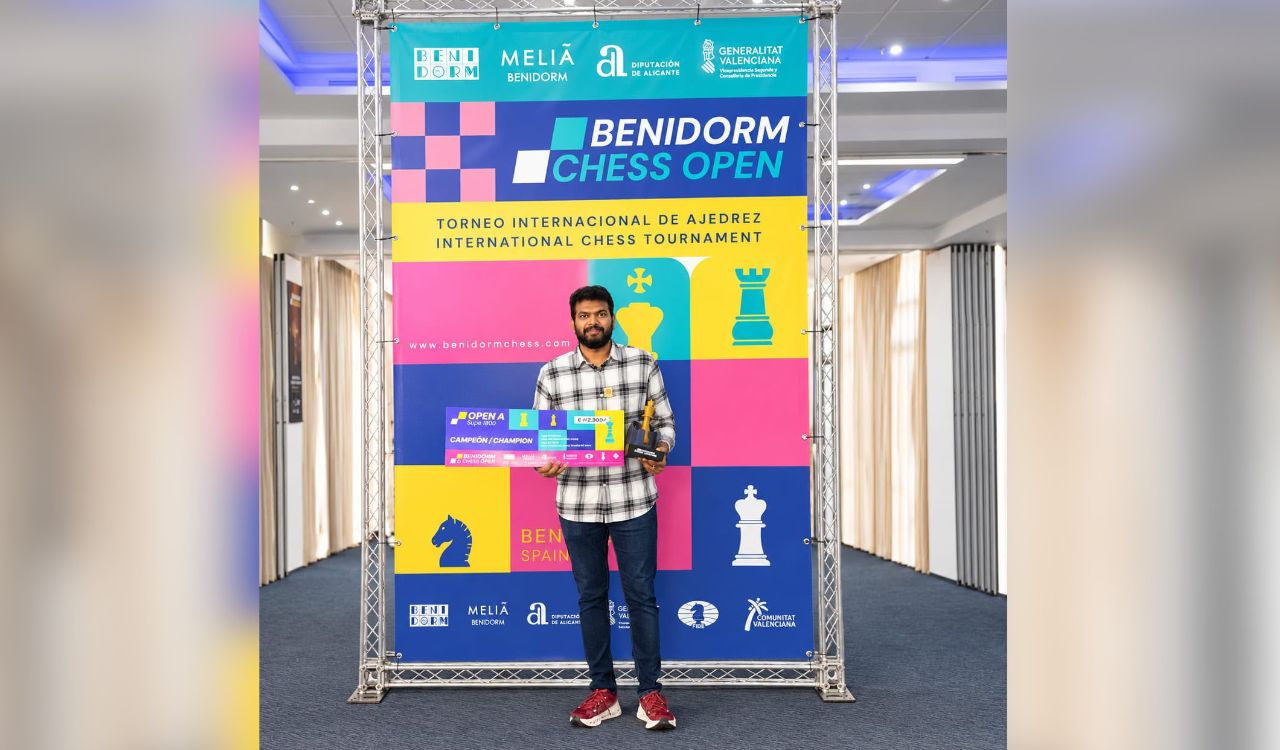
For the record, Lalith, who was part of the team that won India’s first bronze medal in the 2014 Chess Olympiad, is a Commonwealth gold medallist and an Asian silver medallist, besides being a former National champion. He won the 43rd Münsterland Chess Open in Germany and followed it up with another victory at the Benidorm Chess Open in Spain, scoring 7.5/9 in both tournaments.
In an exclusive interview with ‘Telangana Today’, Lalith Babu said that winning one strong international tournament is always special, but winning two titles in succession, in different countries, makes the achievement even more meaningful.
Following are excerpts from the interview:
How challenging were the competitions?
Both tournaments had strong international fields, with experienced grandmasters and ambitious players competing for the titles. At this level, there are no easy rounds. Every opponent comes well prepared, and even a small mistake can change the course of a game.
The challenge was not just about playing good chess but also about managing the demands of nine rounds in each event. After finishing the tournament in Germany, I had to travel to Spain and prepare myself mentally and physically for another competition. Managing fatigue, staying focused and adapting quickly to a new tournament environment were important factors. I am happy that I was able to handle these challenges and deliver two strong performances.
How different were these victories from your previous title wins?
Every tournament victory has its own story. What made these two wins special was that they came back-to-back in two different countries, against strong international opposition. I have won tournaments before, but these victories stand out because of the way I handled the pressure in both events.
They also came at a time when I have been experimenting more with my approach to chess, taking calculated risks and trying to bring back the more fearless and carefree style of play that I enjoyed earlier in my career. That has made these wins particularly satisfying.
What was the most impressive part of these two titles?
For me, the most impressive part was winning both tournaments by defeating grandmasters with the black pieces in the final round, when I needed to win to secure the championship. The situations were remarkably similar in both events, and handling that pressure successfully made these victories even more special.
Scoring 7.5/9 in each tournament was certainly satisfying, but those two final-round games stand out the most. Playing with the black pieces in a must-win situation is never easy, especially against strong grandmasters. It requires confidence, accurate preparation and the willingness to take calculated risks.
Being able to deliver when the stakes were highest was probably the most rewarding part of these tournaments.
Where do you feel you stand in the world of chess, considering your potential and experience?
I believe I have the experience and understanding to compete strongly at the international level. Having played professional chess for many years, I understand the demands of the game and what it takes to compete against strong opposition.
At the same time, I feel there is still a lot more I can achieve. I don’t want to measure my potential only by my rating or a couple of tournament results. For me, the important thing is to keep improving, compete against the best players and give myself opportunities to reach a higher level.
These victories have given me confidence and reinforced my belief that I can still push myself further. Experience is a valuable asset, but it is equally important to keep evolving and adapting to the demands of modern chess.
What are your realistic goals going forward?
My immediate goal is to build on this momentum and perform well in strong international tournaments. I would like to improve my world ranking and rating and put myself in a position to compete for bigger titles.
Beyond individual tournament victories, I also want to continue contributing to Indian chess through my performances on the international circuit. India has produced an incredible generation of young players, and the overall standard of chess in the country is rising rapidly.
Personally, I want to remain competitive at the highest possible level, make the most of the experience I have gained over the years and continue challenging myself against the strongest players in the world.
What challenges are you likely to face?
Professional chess demands a lot, both mentally and physically. The international circuit involves frequent travel, long tournament days, preparation against different opponents and the challenge of recovering quickly between events.
Another challenge is that the game is becoming increasingly competitive. Almost every serious player has access to powerful engines, databases and advanced preparation methods. You need to constantly update your knowledge and find ways to stay ahead.
For experienced players, it is also important to keep evolving rather than becoming too comfortable with familiar approaches. I have been trying to experiment more with my play and take greater risks when the position demands it. Finding the right balance between creativity and sound decision-making will be important for me going forward.
Which areas do you intend to focus on more?
I want to work on all aspects of my game, particularly keeping my preparation up to date, improving my practical decision-making and becoming more effective in complicated positions.
I have traditionally relied on my strategic understanding and endgame technique. Recently, I have also been experimenting with different approaches and trying to rediscover the more fearless and carefree style of chess that I enjoyed earlier in my career. I want to combine that creativity with the experience and maturity I have developed over the years.
Another important area I want to focus on is physical fitness. Modern chess tournaments can be extremely demanding, with players spending several hours at the board every day for many consecutive days. Good physical fitness helps with stamina, concentration and decision-making, particularly towards the end of long games and tournaments.
I want to develop a well-rounded approach that combines strong chess preparation, physical endurance and mental resilience.
How has life been away from the chessboard?
Life as a professional chess player can be quite demanding because so much of my time revolves around preparation, tournaments and travel. At the same time, I believe it is important to maintain a healthy balance and spend quality time with family.
My wife and daughter are a very important part of my life, and being away from them during tournaments is one of the more difficult aspects of being a professional chess player.
How do you view the current chess scenario, particularly in India?
Indian chess is going through an exciting phase. We have a remarkable group of young players who are competing at the highest level, winning major tournaments and challenging established names in world chess. The depth of talent in India today is something to be proud of.
How has the support from your employer, IndianOil, been?
I am grateful to IndianOil for the support and encouragement they have given me. Having the backing of an organisation that values sport and supports its players is very important for an athlete.
Representing IndianOil while competing internationally gives me additional motivation.



