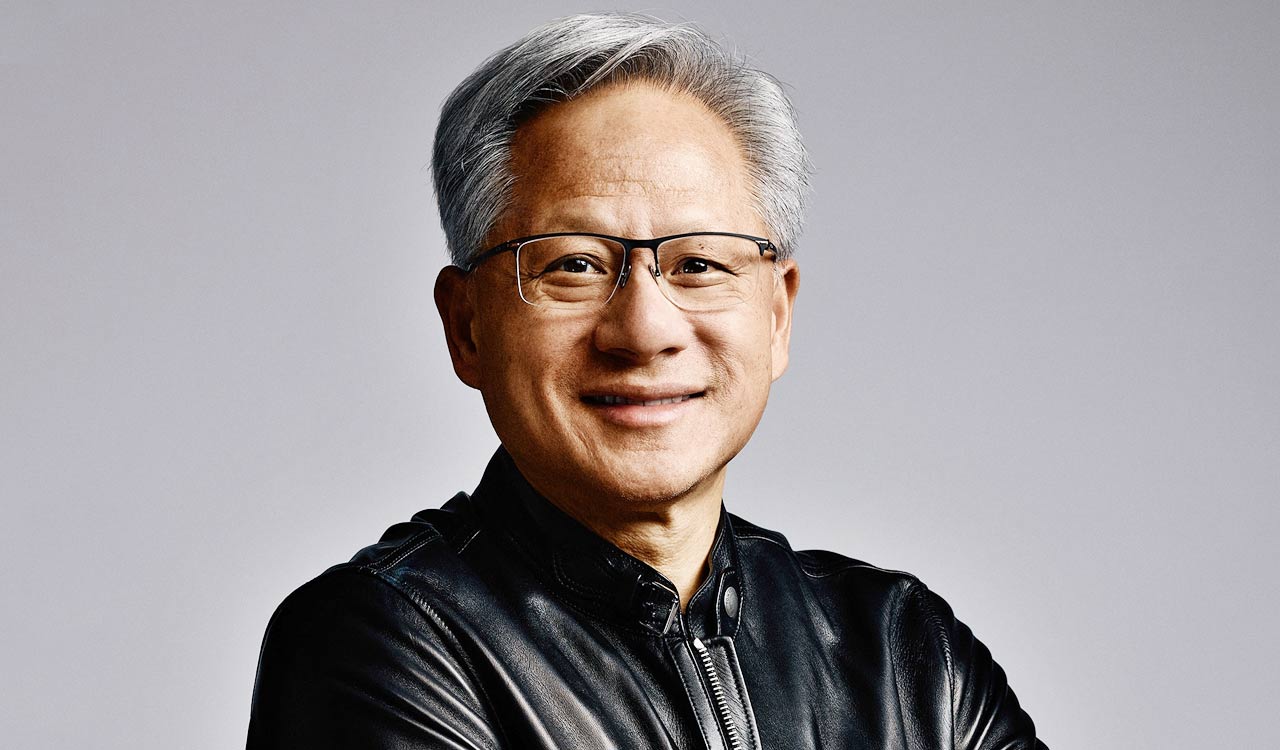
Controversy surrounding Nvidia CEO Jensen Huang raises troubling questions about corporate accountability, national security and the global AI race
Published Date – 11 November 2026, 11:25 PM
The reported honey-trapping of Jensen Huang, founder and CEO of Nvidia and one of the most influential American tech czars, is more than the stuff of a Hollywood spy drama. Its tremors are bound to shake up the AI industry, global semiconductor chip market and, more specifically, the US-China trade and supply chains. Huang, whose $5 trillion company is an undisputed global leader in the chip market, has not just set off a storm at home with his confessed extramarital affair involving a suspected Chinese spy but has also triggered a much bigger turmoil in the technology industry. The scandal raises troubling questions about corporate accountability and national security. Nvidia has instituted an independent investigation following the revelations and said its board had no reason to believe the company’s secrets or national security had been compromised. Huang, who continues to serve as CEO, admitted to being “unfaithful” to his wife and apologised for hurting her and their children. US intelligence officials believed that Chinese businesswoman Alice Huang, who had a close relationship with Jensen Huang, was a spy for Beijing. The chipmaker is central to producing the hardware for emerging AI technologies, and Jensen Huang has been at its helm for more than 30 years. The global AI boom has propelled Nvidia into becoming one of the world’s most valuable companies, as technology giants such as Google, Microsoft, Meta and Amazon spend billions of dollars building AI infrastructure powered by its advanced chips.
Nvidia’s graphics processing units (GPUs), which are essential components of AI server stacks, have become central to training and running sophisticated large language models, giving the chipmaker a dominant position in the AI computing hardware market. These chips are so important to the development of the technology that Washington has restricted sales of the most powerful models to China since 2022. Other nations seeking to compete in AI are also eager to secure these chips. The latest allegations centre on Alice Huang, a Chinese citizen and former executive of Singapore-based firm Megaspeed, whom US intelligence officials reportedly concluded was passing information to Beijing. The case has also exposed Nvidia’s overdependence on Huang. His leadership has been instrumental in transforming the company into an AI powerhouse, but no corporation of such strategic importance should rely excessively on one individual. Nvidia’s internal probe and the FBI’s investigation must establish whether corporate resources, confidential information or export-control safeguards were compromised. Ultimately, the scandal is a warning to Silicon Valley and policymakers alike. In an era when semiconductors are instruments of economic and geopolitical power, corporate governance cannot end at the boardroom door. Transparency, independent oversight and robust export compliance are essential. The future of the AI race must not be shaped by personal relationships, lapses in judgment or commercial shortcuts.