The government has capped trade margins on 137 non-scheduled anti-cancer drugs at 30 per cent, with revised prices taking effect on November 9. The NPPA expects prices to fall by up to 70 per cent and annual patient savings to reach Rs 2,500 crore.
Updated On – 18 October 2026, 01:25 PM
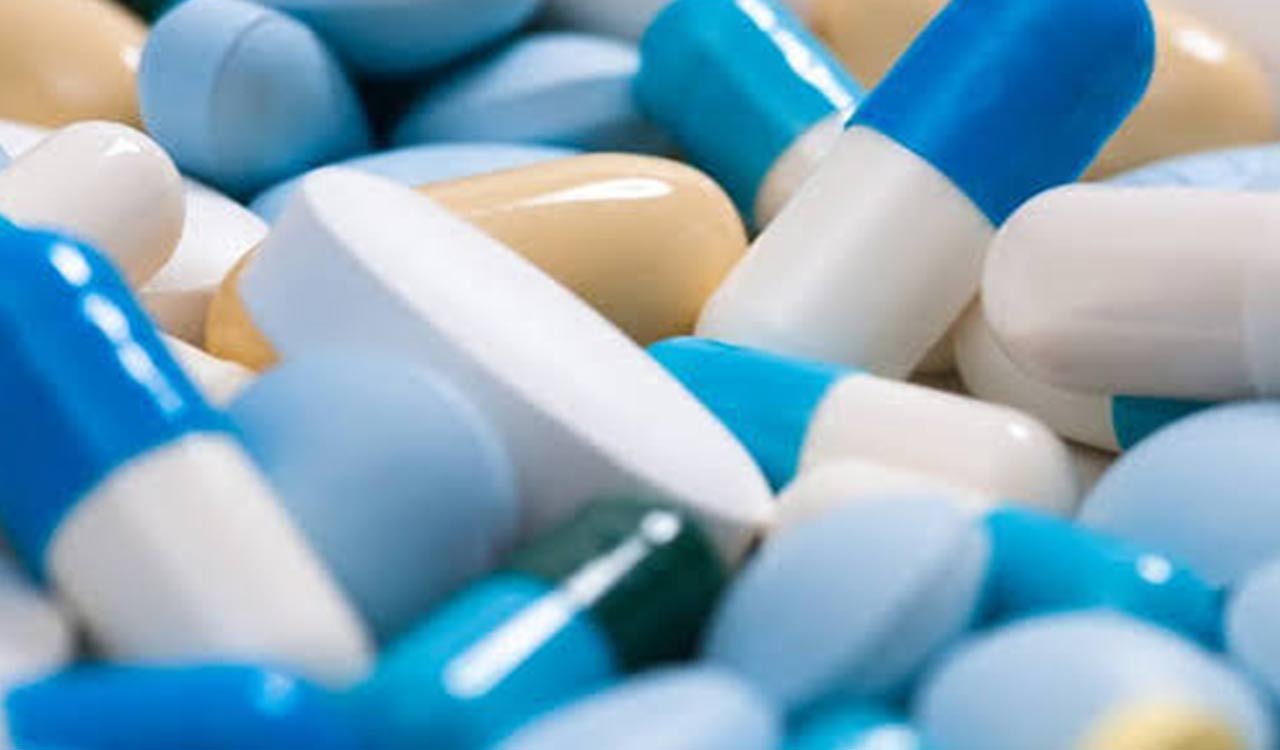
Hyderabad: Maximum retail prices for 137 critical non-scheduled anti-cancer drugs have been slashed by up to 70 percent following a regulatory cap on trade margins at 30 percent, promising substantial financial relief to cancer patients across India.
Cancer medicines have notoriously carried massive price tags because middlemen extracted their share of margins before the medicines hit the pharmacy shelf. Under the new rule, the government has made it clear that anyone selling these drugs can only add a maximum 30 percent margin on top of the original wholesale price.
For patients and families dealing with expensive targeted treatments and immunotherapies, the new rule will go a long way in making expensive cancer therapy affordable. There have been instances where margins at every level used to drive the costs of the cancer drugs up by as much as 70 percent.
The targeted regulatory price capping is expected to directly impact some of the most expensive targeted therapies. Some of the therapies that could be potentially affordable include specialized monoclonal antibodies and advanced kinase inhibitors utilized in precision oncology to treat lung cancer, breast cancer, leukemia, lymphoma, and colorectal cancers.
Advanced oral therapies such as Osimertinib and Palbociclib and high-cost biological treatments like Bevacizumab and Pertuzumab‘, which previously carried heavy retail margins stretching the monthly budget of families, will now enable them to afford.
More than 35 patented formulations have been brought under the pricing capping net alongside 75 other non-scheduled oncology drugs. By capping trade margins at 30 percent , cancer patients and families will save roughly Rs. 2,500 crore annually, with overall medicine prices dropping by up to 70 percent.
As part of the new price capping rolled out by National Pharmaceutical Pricing Authority (NPPA), the drug manufacturers are now required to adjust their pricing lists through the Integrated Pharmaceutical Database Management System (IPDMS) to comply with the mandated revisions.
List of the 137 cancer drugs:
1. Abemaciclib
2. Abiraterone acetate
3. Acalabrutinib
4. Afatinib
5. Alectinib
6. Alpelisib
7. Amivantamab
8. Anastrazole
9. Apalutamide
10. Asciminib
11. Atezolizumab
12. Avelumab
13. Axitinib
14. Azacitidine
15. Belantamab Mafodotin
16. Bevacizumab
17. Bosutinib
18. Brentuximab Vedotin
19. Brigatinib
20. Busulfan
21. Cabazitaxel
22. Cabozantinib (S) – Maleate
23. Capmatinib
24. Carfilzomib
25. Carmustine
26. Ceritinib
27. Cetuximab
28. Cladribine
29. Clofarabine
30. Crizotinib
31. Cytarabine
32. Dabrafenib
33. Dacomitinib
34. Daratumumab
35. Darolutamide
36. Dasatinib
37. Datopotamab Deruxtecan
38. Decitabine
39. Degarelix
40. Denosumab
41. Dostarlimab
42. Durvalumab
43. Elranatamab
44. Enfortumab vedotin
45. Entrectinib
46. Enzalutamide
47. Epirubicin
48. Erdafitinib
49. Eribulin mesylate
50. Erlotinib
51. Estramustine
52. Everolimus
53. Exemestane
54. Fludarabine
55. Fulvestrant
56. Gilteritinib
57. Goserelin acetate
58. Ibritumomab
59. Ibrutinib
60. Idelalisib
61. Ifosfamide & Mesna
62. Nivolumab and Relatimab
63. Pegylated Liposomal Irinotecan
64. Inotuzumab Ozogamicin
65. Interferon Alpha 2B
66. Ipilimumab
67. Ivosidenib
68. Lapatanib
69. Lazertinib
70. Lenvatiniba
71. Lomustine
72. Lorlatinib
73. Lymphoseek kit
74. Megestrol
75. Midostrurin
76. Mirvetuximab soravtansine
77. Mitomycin
78. Mitoxantrone
79. Nelarabine
80. Netupitant
81. Nilotinib
82. Nimotuzumab
83. Nintedanib
84. Niraparib
85. Nivolumab
86. Obinutuzumab
87. Ofatumumab
88. Olaparib
89. Osimertinib
90. Palbociclib
91. Panitumumab (Vectibix)
92. Pazopanib (as Hydrochloride)
93. Pegasparginase
94. Pegfilgrastim
95. Pegylated interferon Alpha 2B
96. Pembrolizumab
97. Pemetrexed
98. Pertuzumab
99. Pertuzumab + Trastuzumab
100. Plerixafor
101. Polatuzumab Vedotin
102. Pomalidomide
103. Ramucirumab
104. Regorafenib
105. Relugolix
106. Ribociclib
107. Rucaparib
108. Ruxolitinib
109. Selpercatinib
110. Selumetinib
111. Serplulimab
112. Sotorasib
113. Sunitinib
114. Talquetamab
115. Teclistamab
116. Tegafur + Uracil
117. Tegafur, Gimeracil and Oteracil
118. Temsirolimus
119. Tepotinibe
120. Thiotepa
121. Tislelizumab
122. Tocilizumab
123. Topotecan
124. Toripalimab
125. Trabectedin
126. Trametinib
127. Tremelimumab
128. Treosulfan
129. Trifluridine + Tipiracil
130. Triptorelin
131. Tucatinib
132. Vemurafenib
133. Venetoclax
134. Vinorelbine tartrate
135. Vorasidenib
136. Zanubrutinib
137. Zolbetuximab..