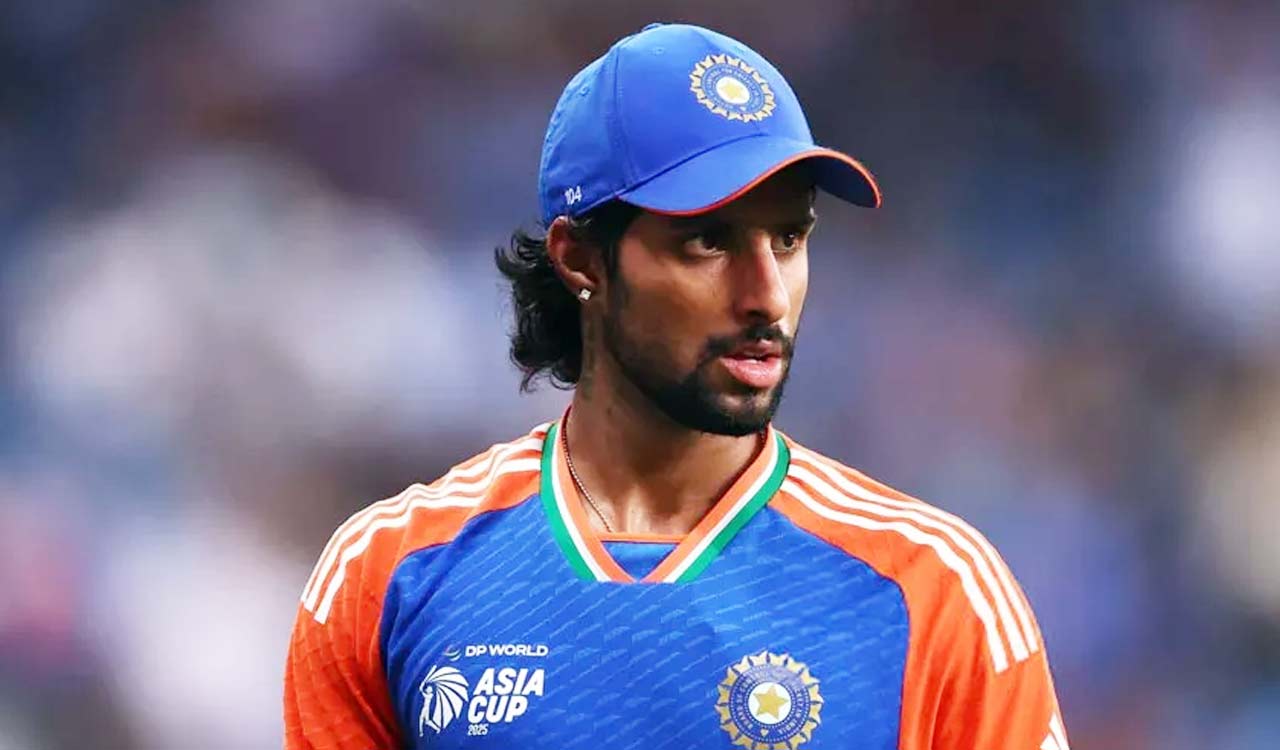
India batter Tilak Varma says vice-captaincy has brought greater responsibility, particularly off the field. The Hyderabadi also spoke about learning leadership from Rohit Sharma, adapting to middle-order roles and mentally preparing for opposition bowlers.
Updated On – 7 October 2026, 12:26 PM
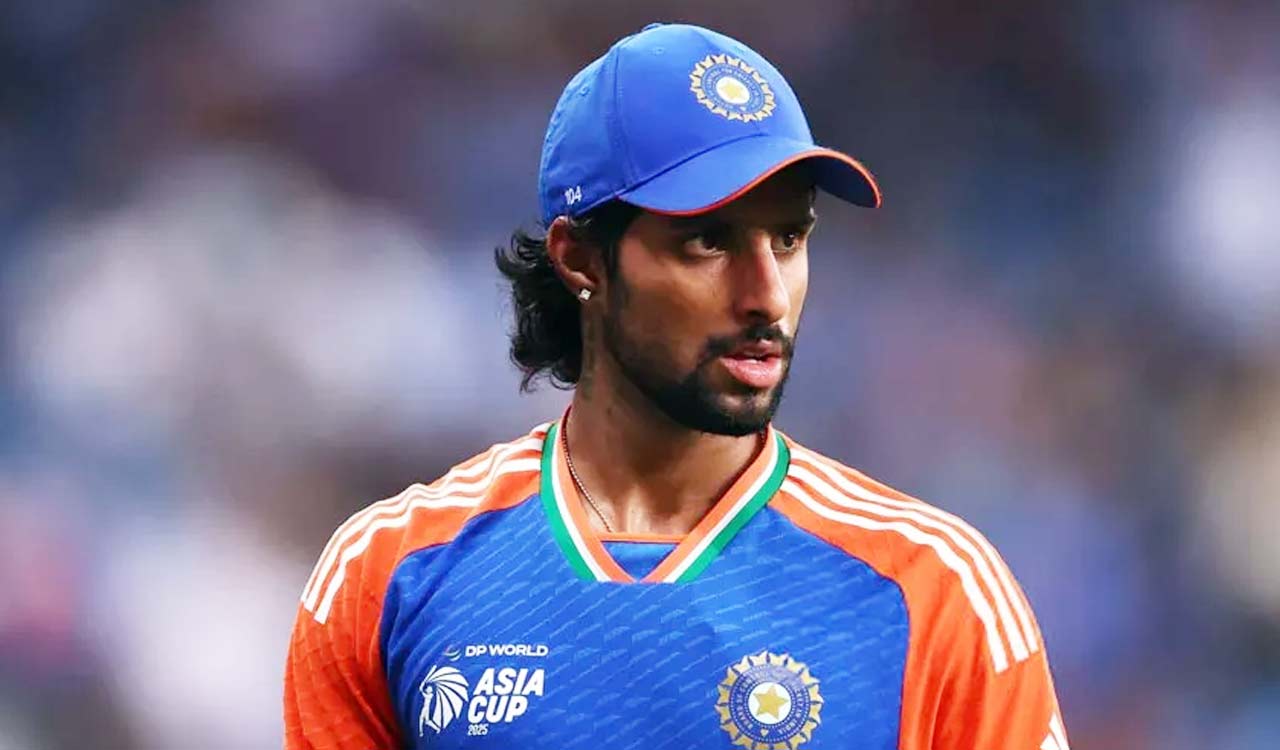
Hyderabad: “First of all, it’s a responsibility. So, people start looking at you differently than before, like slightly more senior,” says India star Tilak Varma.
Speaking on JioDtar Follow The Blues Next Zen show, Tilak said: “Only if you’ve done something will they hand you the vice-captaincy; they won’t just give it like that. So, I feel that a little extra responsibility comes with it, off the field especially.”
“On the field, the captain will take care of things. Obviously, when he isn’t there, your turn will come. So, I keep sharing my thoughts with Shreyas. As for the rest of the team’s atmosphere, off-field conversations, and players’ mindsets, in a team sport, players have their ups and downs, so I observe how you interact with the youngsters and where everyone stands. I look at all of that, and when I get an opportunity on the field, I will use my brain as well,” he explained.
On learning about captaincy from Virat Kohli and Rohit Sharma, Tilak said: “I haven’t played under Virat bhai’s captaincy but have played under Rohit bhai’s captaincy, both in MI and also in the Indian team. So, I have learned a lot of things from him.”
” On the ground, the intensity is very high; there’s already so much running through your mind on the field, so you can’t take in as much. So, when I am off the field, I discuss a lot of things with him. And, like, when Rohit bhai and Virat bhai were playing, I didn’t use to be in the playing eleven,” he said.
” So, sitting outside, I used to observe which bowler Rohit bhai brings on and when, how he uses the bowlers. I used to observe all those things from him, and I’ve incorporated that into my own approach now while being on the field,” Tilak said.
On his preferred batting position, Tilak said: “I always say, I prefer batting in the top order. I always love batting at number three. From opening, in the Under-19 World Cup, I played at number three. After that, in the IPL, I played at number four, and from there at five and six.”
‘ So, I went on to play basically in every position. Since childhood, I’ve been an opener, so if you tell me to open even now, I’ll do it. But I really love batting at three,” Tilak said.
On his transition from batting in the top order to the middle order, Tilak said:
“From opener to three, you can shift easily, because it won’t make that much difference. From three to four won’t make much difference as well. When you are a number three or four player and then you bat at six or seven, that transition has been really tough. ”
“At the same time, when the team needs it, you don’t have any other option. You have to earn that position. For that, I worked on myself a lot in practice and mentally on how I can hit while staying still. When you bat early on, the bowlers hit the seam more. When you bat lower down, the mechanics change; the ball gets older, and they bowl more slower balls and yorkers.”
“All these things come into play. So, I prepared myself mentally accordingly and accepted that I have to perform here. Once I did that, I worked on it in practice. Once it gets executed in a match, you get that confidence, and from there, it gets going,” the Hyderabadi said.
On visualising and preparing for the best bowlers from the opposition:
“When a game is approaching, like if there’s a game tomorrow, I visualise; I think about which bowlers the opposition has. What kind of bowlers could come on? Before going to sleep, I just visualise that I’m walking in at this position. I always think about how I can win the game for the team. I will align myself in that manner, thinking, ‘This is their best bowler. How can I attack him?”.
“‘Once I’ve thought through that, I’m already prepared. Then, when I go onto the field, I’m not surprised, like, ‘Oh, I walked in and this bowler came on, now the ball is doing this, his best ball is that.’ I always prepare for the best. Then, if some other bowler comes on, it becomes easier when you prepare for the best. I always visualise that and go in, and it really helps me, and results have come,” he explained.