BRS leader T Harish Rao praised Manjeera Rachayitala Sangham for 40 years of literary and social activism. Speaking at its anniversary, he highlighted literature’s role in the Telangana movement, praised Nandini Siddha Reddy and urged greater reading among children
Published Date – 2 October 2026, 05:00 PM
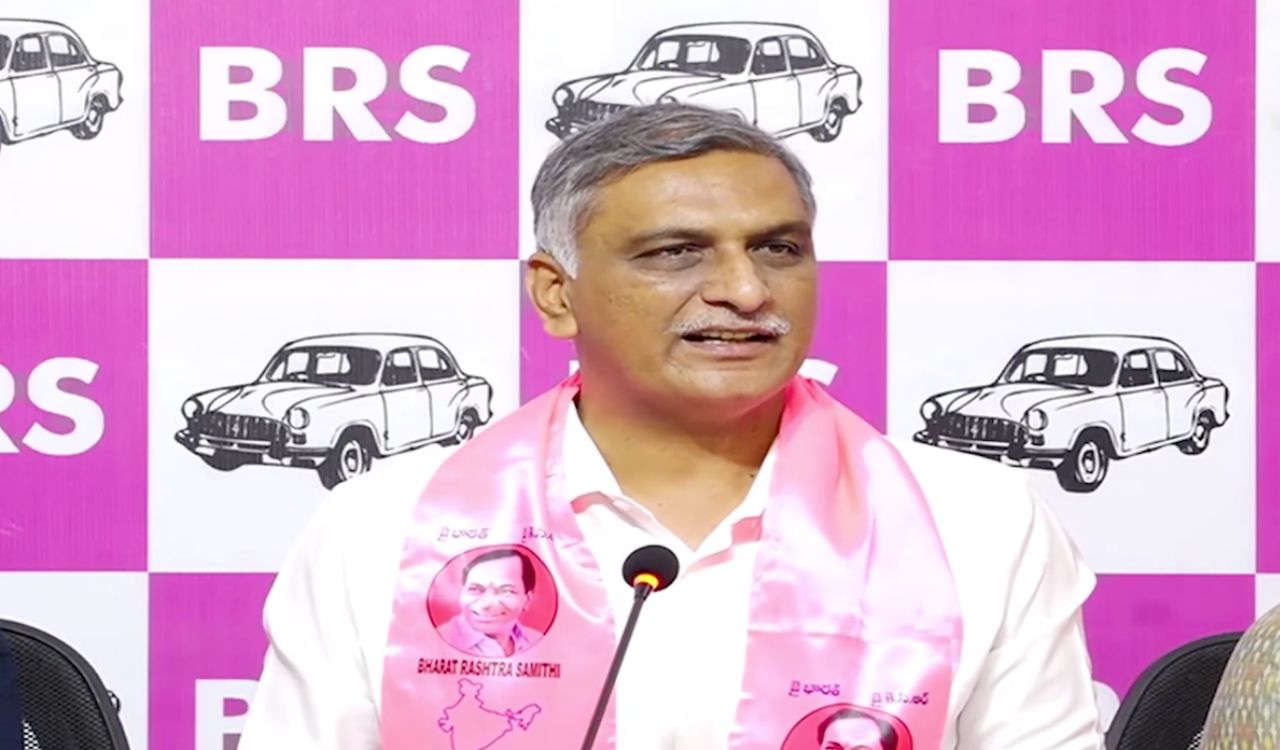
Hyderabad: BRS deputy floor leader T Harish Rao on Friday lauded the Manjeera Rachayitala Sangham (Marasam) for sustaining its literary and social activism for 40 years. He said its members had remained committed to their ideals despite political pressure and threats.
Addressing the organisation’s 40th anniversary celebrations at the Basheerbagh Press Club, Harish Rao appreciated Marasam for going beyond literature to raise issues such as prohibition, starvation deaths, farmers’ suicides and the campaign against gutka.
Harish Rao credited writer and former Sahitya Akademi chairman Nandini Siddha Reddy’s song “Naageti Sallallo Na Telangana” with energising the Telangana statehood movement. He said Siddha Reddy had prioritised the Telangana cause over career advancement and turned down a reported offer of Rs 1 crore from Chief Minister A Revanth Reddy, which, he said, demonstrated his commitment to his principles.
He said BRS president and former Chief Minister K Chandrashekhar Rao revived the Sahitya Akademi after Telangana’s formation and appointed Siddha Reddy as its first chairman. In contrast, Harish Rao alleged that the Congress government had failed to appoint a chairman, leaving the institution non-functional.
The former Minister also credited Chandrashekhar Rao with constructing several check dams on the Manjeera river, enabling greater utilisation of water and benefiting farmers in erstwhile Medak district.
Highlighting the role of literature in society, Harish Rao said poems and songs had served as instruments of resistance and helped preserve the history of the Telangana movement. He urged the government and parents to encourage reading, expressing concern over declining interest in books among children.
“Artificial intelligence can generate poems and books, but it cannot replace the life experiences and emotional depth reflected in a writer’s original work,” he said.