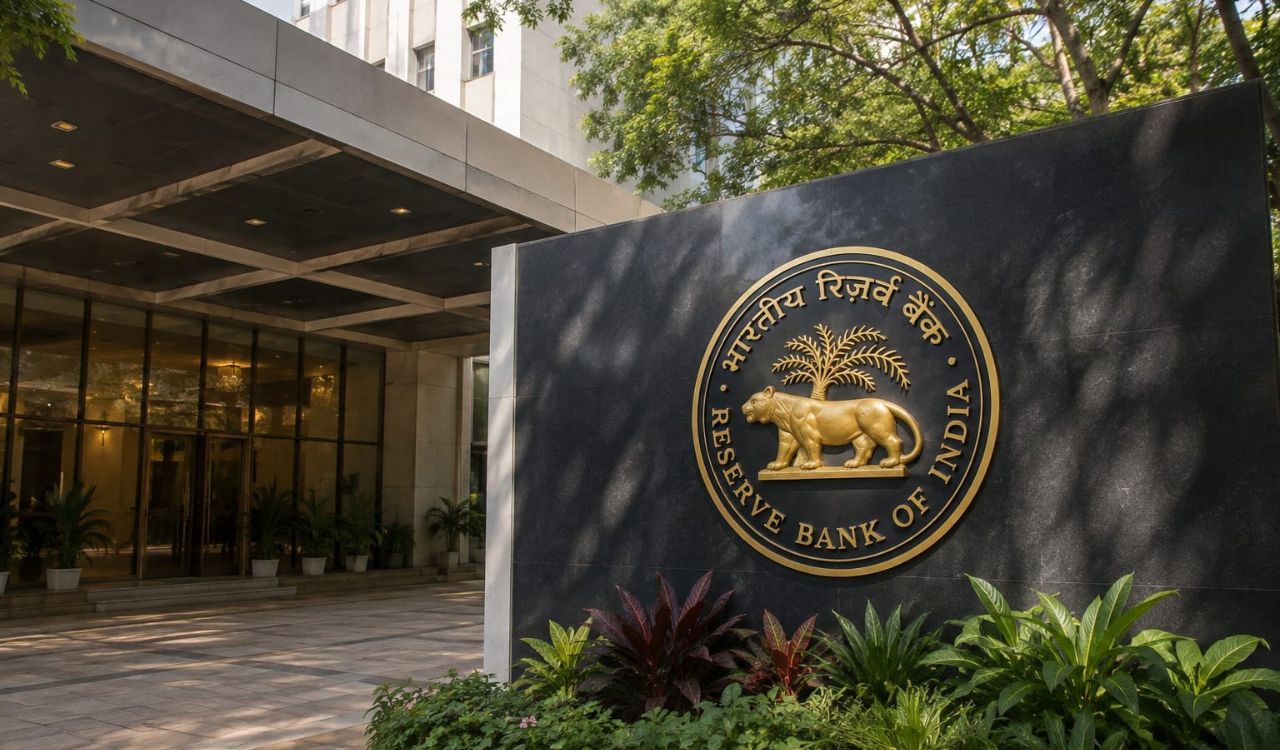
Rising crude oil prices, inflation and higher bond yields globally have narrowed the Reserve Bank of India’s room to hold rates unchanged, BNP Paribas said. India’s macro-outlook has weakened as Brent crude rose above $100 per barrel amid global tightening
Published Date – 29 September 2026, 01:49 PM

New Delhi: Rising crude oil prices, inflation and higher bond yields globally has narrowed Reserve Bank of India’s room to hold rates unchanged, a report said on Tuesday.
The report from BNP Paribas India said India’s macro‑outlook has weakened in recent weeks as Brent crude rose above $100 per barrel and US 10‑year Treasury yields climbed toward 5 per cent.
Inflation continues to rise globally, and central banks are resorting to rate hikes. Though India’s macro buffers have increased with foreign currency non‑resident (FCNR) flows, capital-flight risks have also risen with rate hikes in developed markets.
“In our view, rising oil prices and commodity inflation remain a material challenge for India in the near term. The INR has already depreciated by nearly 1 per cent and the RBI now has less room to keep interest rates unchanged,” the report said.
The latest escalation in the Middle East has pushed Brent above $100 per barrel, while the ECB and BoJ have raised rates by 25 basis points, tightening global financial conditions and increasing capital‑flight risks for India.
“India’s macro-outlook is sensitive to oil prices, and the latest escalation in the Middle East is a negative,” said Kunal Vora, Head of India Equity Research.
The report noted that over the past two weeks the rupee has depreciated by around 1 per cent, India’s 10‑year bond yields have breached 7 per cent and foreign institutional investor selling has resumed, even as foreign currency non‑resident (FCNR) deposits have bolstered reserves to about $800 billion, supported by roughly $127 billion of FCNR flows.
This offers near-term relief, but these flows are likely to reverse in 3-5 years, the report said, adding that high inflation could slow high-frequency indicators in the coming months.
“India’s macro indicators have remained resilient, but the outlook is weakening due to rising oil prices and inflation. Key positives are strong credit growth, strong auto sales, improving jobs data and large food-grain holdings, which provide a shield against El Niño,” the report noted.
Consumption indicators showed some moderation last month, with urban wages falling, rising inflation, and deteriorating business confidence. Rural dynamics are also weakening because of a monsoon deficit, higher food inflation, and reduced crop sowing.