Amid the intensifying military confrontation between Iran and the United States, the news of Iran firing ballistic missiles at a US aircraft carrier and a destroyer is not merely a development on the battlefield; it could be a sign of a shift in the operational environment for American forces and an increase in the cost of Washington’s military presence in the region’s waters.
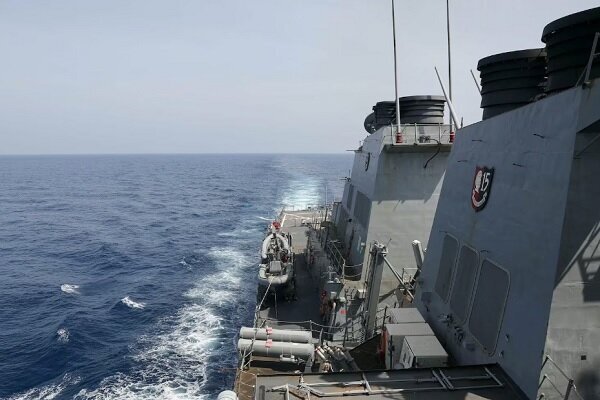
The US Central Command (CENTCOM) has announced that the Islamic Revolutionary Guard Corps (IRGC) fired ballistic missiles at a US aircraft carrier and a guided-missile destroyer, and that these vessels managed to survive several attacks. According to the American account, none of the US forces were harmed in these attacks.
At first glance, the most important question might be whether the missiles actually struck the American ships. But from a strategic perspective, the significance of this development goes beyond the extent of direct damage. The more important issue is the change that such attacks can create in the calculations of American commanders regarding the level of security and freedom of action of US naval vessels in the region.
An aircraft carrier is one of the most important instruments of US military power projection beyond its borders. By deploying an aircraft carrier and its accompanying strike group, Washington in effect moves a portion of its air and naval power to the closest possible point to a crisis. This presence is intended to create deterrence, strike capability, and the ability to react quickly for the United States.
But this same feature also brings a vulnerability; the closer a carrier is to a conflict zone, the more important its protection becomes, and more resources must be allocated to defend it.
A carrier strike group is not limited to the carrier itself. A collection of destroyers, air defense systems, fighter jets, early warning and reconnaissance aircraft, and other military equipment are responsible for its protection. Therefore, a missile threat against an aircraft carrier effectively means challenging a vast defensive network.
From this angle, even if the launched missiles are intercepted and no damage is inflicted on the carrier, the attack itself can have operational consequences. Because American commanders must assume that their vessels are within range and that any presence in the region faces the possibility of attack. This is what can be called the “cost of presence.”
To change the other side’s calculations, Iran does not necessarily need to destroy a US carrier in every attack. Increasing the cost of protecting carriers, limiting their freedom of movement, changing the operational distance, increasing the need for reconnaissance, and creating psychological pressure on forces deployed in the region can also be part of the deterrence objective.
In modern warfare, a weapon is sometimes effective when it forces the opposing side to engage a large set of resources and equipment to counter it. From this perspective, a ballistic missile is not just a tool for inflicting damage; it can also be a tool for changing the operational behavior of the opposing side.
Of course, one should not conclude from this incident that the military balance between Iran and the United States has changed. The United States still possesses significant superiority in various military, intelligence, air, and naval domains, and its aircraft carriers have multiple layers of defense. Therefore, a distinction must be made between the “ability to target” and the “ability to destroy” a military target.
What matters now is the repeatability of this threat. If American forces conclude that the presence of aircraft carriers in certain areas continually exposes them to missile attacks, they will be forced to review their deployment and operational patterns.
In such circumstances, the distance of carriers from coastal areas, their movement patterns, the level of escort, the number of protective fighter jets, and the volume of reconnaissance operations could change. Each of these changes would mean an increase in operational costs for the United States.
On the other hand, the US response is also noteworthy. Washington will attempt to show, by responding to Iranian military and economic targets, that attacking US forces will not remain without cost. This approach could lead to the formation of a dangerous cycle of attack and response; a cycle in which each military action pushes the other side toward a more severe reaction.
Meanwhile, the region’s waters are gradually becoming one of the main arenas of competition. The importance of this issue is not limited to military operations. The security of shipping, energy transit, oil tankers, and trade routes are also directly affected by this confrontation.
In such an environment, Iran enjoys an important geographical advantage. The proximity of the operational theater to Iran’s coasts means that Washington cannot separate the issue of protecting its naval forces from the geographical conditions of the region.
In contrast, the United States will try to neutralize this advantage by relying on its air and naval superiority and defense systems. For this reason, the battle between the two sides is not only a battle of missiles against ships; it is also a battle over the calculation of the costs and benefits of continued military presence.
If Iran can increase the cost and risk of the US military presence without needing to inflict direct and widespread damage, it will have achieved part of its deterrence objective. On the other hand, if the United States can continue to keep its carriers deployed in the region and simultaneously use them in military operations, Iran’s effort to limit Washington’s freedom of action will face greater difficulty.
Ultimately, the importance of the recent news should not be summarized merely as “whether the missiles hit the American ship or not.” The real significance is that a US aircraft carrier, which is a symbol of Washington’s power and military presence in distant regions, must now operate in an environment where the missile threat against it has become a serious variable in operational calculations.
This development could be one of the most important signs of a changing deterrence equation in the region; an equation in which military power is not measured only by the amount of weaponry, but also by each side’s ability to impose costs, increase risk, and limit the other side’s freedom of action.
In such circumstances, the future of the US carrier presence in the region will become more than ever a strategic issue; because as the cost of protecting these carriers increases, the question of the benefits of their continued presence will also become more serious for American decision-makers.
MNA
Amid the intensifying military confrontation between Iran and the United States, the news of Iran firing ballistic missiles at a US aircraft carrier and a destroyer is not merely a development on the battlefield; it could be a sign of a shift in the operational environment for American forces and an increase in the cost of Washington’s military presence in the region’s waters.
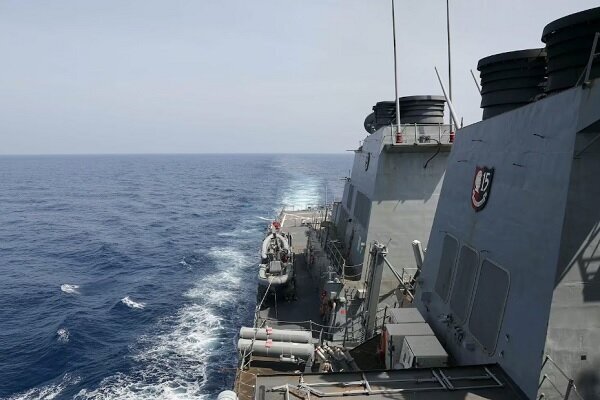
The US Central Command (CENTCOM) has announced that the Islamic Revolutionary Guard Corps (IRGC) fired ballistic missiles at a US aircraft carrier and a guided-missile destroyer, and that these vessels managed to survive several attacks. According to the American account, none of the US forces were harmed in these attacks.
At first glance, the most important question might be whether the missiles actually struck the American ships. But from a strategic perspective, the significance of this development goes beyond the extent of direct damage. The more important issue is the change that such attacks can create in the calculations of American commanders regarding the level of security and freedom of action of US naval vessels in the region.
An aircraft carrier is one of the most important instruments of US military power projection beyond its borders. By deploying an aircraft carrier and its accompanying strike group, Washington in effect moves a portion of its air and naval power to the closest possible point to a crisis. This presence is intended to create deterrence, strike capability, and the ability to react quickly for the United States.
But this same feature also brings a vulnerability; the closer a carrier is to a conflict zone, the more important its protection becomes, and more resources must be allocated to defend it.
A carrier strike group is not limited to the aircraft carrier itself. A collection of destroyers, air defense systems, fighter jets, early warning and reconnaissance aircraft, and other military equipment are responsible for its protection. Therefore, a missile threat against an aircraft carrier effectively means challenging a vast defensive network.
From this angle, even if the launched missiles are intercepted and no damage is inflicted on the aircraft carrier, the attack itself can have operational consequences. Because American commanders must assume that their vessels are within range and that any presence in the region faces the possibility of attack. This is what can be called the “cost of presence.”
To change the other side’s calculations, Iran does not necessarily need to destroy a US aircraft carrier in every attack. Increasing the cost of protecting aircraft carriers, limiting their freedom of movement, changing the operational distance, increasing the need for reconnaissance, and creating psychological pressure on forces deployed in the region can also be part of the deterrence objective.
In modern warfare, a weapon is sometimes effective when it forces the opposing side to engage a large set of resources and equipment to counter it. From this perspective, a ballistic missile is not just a tool for inflicting damage; it can also be a tool for changing the operational behavior of the opposing side.
Of course, one should not conclude from this incident that the military balance between Iran and the United States has changed. The United States still possesses significant superiority in various military, intelligence, air, and naval domains, and its aircraft carriers have multiple layers of defense. Therefore, a distinction must be made between the “ability to target” and the “ability to destroy” a military target.
What matters now is the repeatability of this threat. If American forces conclude that the presence of aircraft carriers in certain areas continually exposes them to missile attacks, they will be forced to review their deployment and operational patterns.
In such circumstances, the distance of aircraft carriers from coastal areas, their movement patterns, the level of escort, the number of protective fighter jets, and the volume of reconnaissance operations could change. Each of these changes would mean an increase in operational costs for the United States.
On the other hand, the US response is also noteworthy. Washington will attempt to show, by responding to Iranian military and economic targets, that attacking US forces will not remain without cost. This approach could lead to the formation of a dangerous cycle of attack and response; a cycle in which each military action pushes the other side toward a more severe reaction.
Meanwhile, the region’s waters are gradually becoming one of the main arenas of competition. The importance of this issue is not limited to military operations. The security of shipping, energy transit, oil tankers, and trade routes are also directly affected by this confrontation.
In such an environment, Iran enjoys an important geographical advantage. The proximity of the operational theater to Iran’s coasts means that Washington cannot separate the issue of protecting its naval forces from the geographical conditions of the region.
In contrast, the United States will try to neutralize this advantage by relying on its air and naval superiority and defense systems. For this reason, the battle between the two sides is not only a battle of missiles against ships; it is also a battle over the calculation of the costs and benefits of continued military presence.
If Iran can increase the cost and risk of the US military presence without needing to inflict direct and widespread damage, it will have achieved part of its deterrence objective. On the other hand, if the United States can continue to keep its carriers deployed in the region and simultaneously use them in military operations, Iran’s effort to limit Washington’s freedom of action will face greater difficulty.
Ultimately, the importance of the recent news should not be summarized merely as “whether the missiles hit the American ship or not.” The real significance is that a US aircraft carrier, which is a symbol of Washington’s power and military presence in distant regions, must now operate in an environment where the missile threat against it has become a serious variable in operational calculations.
This development could be one of the most important signs of a changing deterrence equation in the region; an equation in which military power is not measured only by the amount of weaponry, but also by each side’s ability to impose costs, increase risk, and limit the other side’s freedom of action.
In such circumstances, the future of the US carrier presence in the region will become more than ever a strategic issue; because as the cost of protecting these carriers increases, the question of the benefits of their continued presence will also become more serious for American decision-makers.
MNA