By Mohammad Molaei
In recent years, control over information and discourse has become capable of influencing the outcome of wars as decisively as firepower, and the Yemeni military has performed exceptionally well on both fronts – on the battlefield and in the information war.
In recent weeks, the Yemeni military has published two videos documenting various successful strikes carried out by its Rojoum bomber drone platforms, primarily across the Marib front and the western coast of Yemen, against enemy forces.
Through these video releases, it is making a comprehensive statement about the current state of the war imposed on the Arab country. It is becoming increasingly clear who has adapted, who has not, and what the battlefield now looks like as full-scale military confrontation between the Yemeni armed forces and Saudi Arabia, along with its mercenaries, draws ever closer.
The footage calls for serious analytical attention on multiple levels. The precision and technical maturity it demonstrates are far beyond what the Yemeni military and the Ansarullah resistance movement were previously believed to be capable of, while the munitions and industrial capacity it implies point to a deliberate, long-term effort.
These new realities on the ground are particularly significant because their broader operational, psychological, and informational consequences have the potential to shape the overall trajectory of the war imposed against the country.
Precision at altitude
Perhaps the most immediately striking feature of the Rojoum footage is its accuracy. Strike after strike connects. But the significance of this becomes clear only when the electro-optic systems mounted on the UAVs zoom out and the delivery context is taken into account.
The footage clearly shows that the overwhelming majority of these attacks are conducted at high altitudes, with munitions dropped or released from elevation rather than deployed at close range.
Attacking from such heights introduces a set of variables that are genuinely difficult to master. Wind shear and changes in wind gradients across altitude layers can alter munition trajectories unpredictably. Thermal columns and variations in atmospheric pressure affect both the drone’s stability and the round’s ballistic path.
Parallax error increases sharply with the distance between the observer and the target, degrading the operator’s ability to correct the aim in real time. The angular resolution available through an operator’s optic at altitude also compresses target signatures, making fine adjustments to the aiming point genuinely demanding.
The fact that Yemeni crews are consistently resolving these challenges in live operational environments cannot be explained by good equipment alone. In fact, the munitions employed should not be mistaken for smart, expensive, modern standoff weaponry.
These are simple, inexpensive explosives released directly above the targets and their relative simplicity and low cost are among the main factors that make small bomber UAVs effective.
This level of accuracy can only be the product of repetition. It cannot be improvised during an operation, nor can it simply be purchased off the shelf.
What the footage reveals, therefore, is not a recently acquired capability but one that has been meticulously built and refined over the years of the ceasefire. Yemeni military’s command did not use the pause in major frontline activity to rest; it used it to train and develop new capabilities. In this sense, the footage is a receipt for years of unseen labor.
Reconnaissance
There is an additional inference to be drawn about intelligence and targeting. The consistency with which drone operators locate, track, and engage mobile forces and dispersed equipment, not simply fixed fortifications, points to a mature and functioning reconnaissance-strike cycle.
The Yemeni military and the Yemeni resistance movement have evidently developed proficiency not only in platform operations but also in the upstream tasks that enable precision.
It is clear that they have integrated ground intelligence networks, signals exploitation, and pattern-of-life analysis into its targeting process. The drone operators do not find so many targets by pure luck.
Heavier munitions
The third dimension of the footage is what it implies about the Yemeni military’s defense-industrial base, and this dimension carries strategic weight well beyond the immediate tactical picture.
In addition to light improvised munitions adapted for drone delivery, the footage shows mortars being regularly employed as dropped ordnance. This is not a trivial detail. Mortar rounds, particularly standard 81 mm or 82 mm types, carry considerably more explosive mass than typical FPV payloads or small field-fabricated charges. Delivering them accurately from altitude places real demands on the carrying platform.
The payload-weight requirements for multiple mortar rounds are not compatible with most small commercial quadcopters. The platform must provide sufficient lift, stability, and controlled-release mechanisms. What the footage therefore implies is that the Yemeni military has been operating larger multi-rotor platforms – hexacopters or heavy quadcopters – capable of carrying meaningful ordnance loads. This represents a materially different capability class from repurposed consumer drones.
More important than the platform itself is what sustaining such a capability requires. Larger multi-rotor drones demand more sophisticated manufacturing, more robust motor and ESC selection, battery systems capable of supporting the additional power draw, and purpose-designed munition mounts or release mechanisms.
The footage points to a layered domestic production and supply chain, including workshops capable of producing or modifying airframes at scale, sourcing appropriate propulsion components, fabricating munition-interface hardware, maintaining sufficient quality control to produce repeatable results in the field, and managing the logistics required to move these systems to dispersed operational positions across difficult terrain.
The Yemeni armed forces have, in effect, built a small defense-industrial ecosystem around its bomber drones. The capability now being demonstrated is, to some extent, indigenous, systematic, and scalable. And all of this has taken place under a multi-year illegal Saudi blockade.
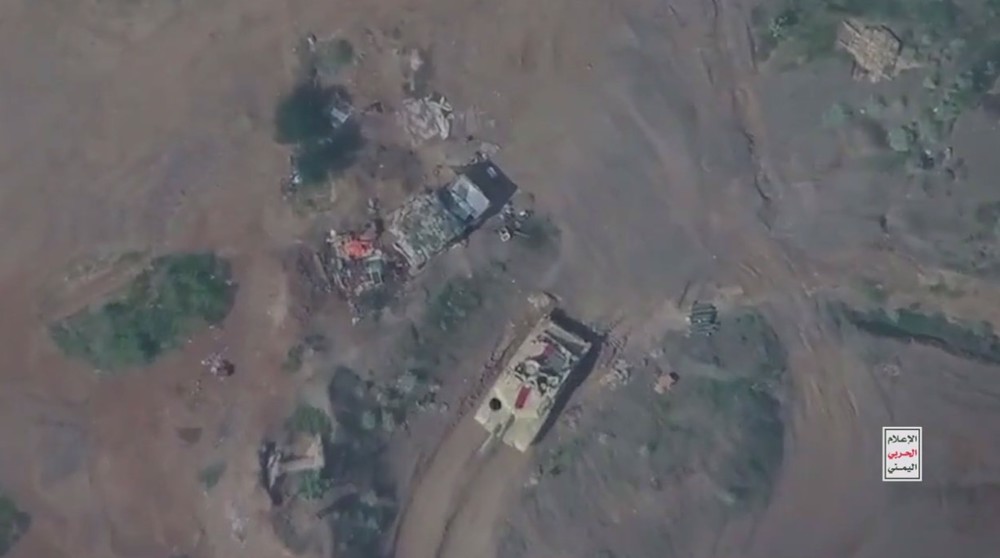
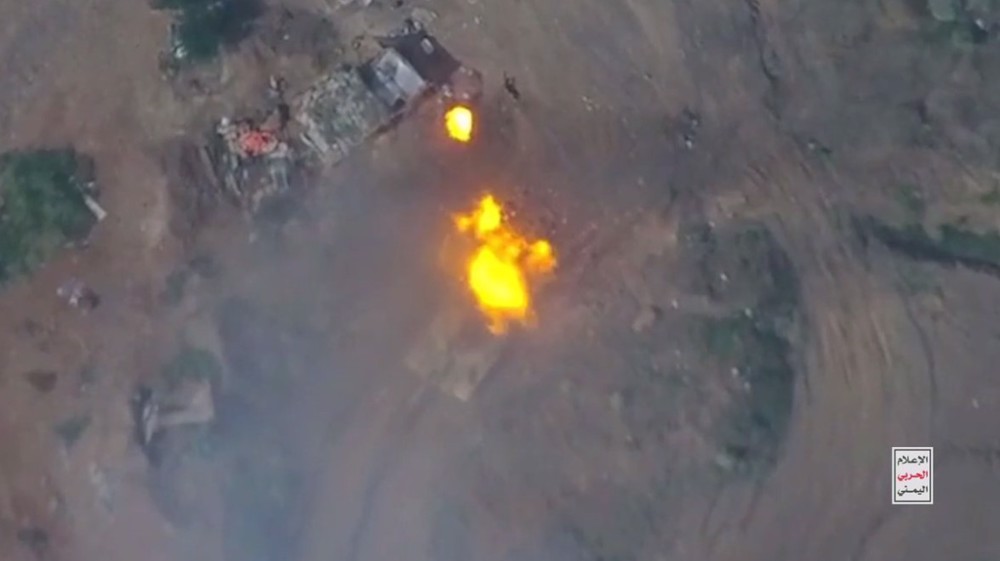
Saudi M1A2 Abrams Main Battle Tank
Targets struck
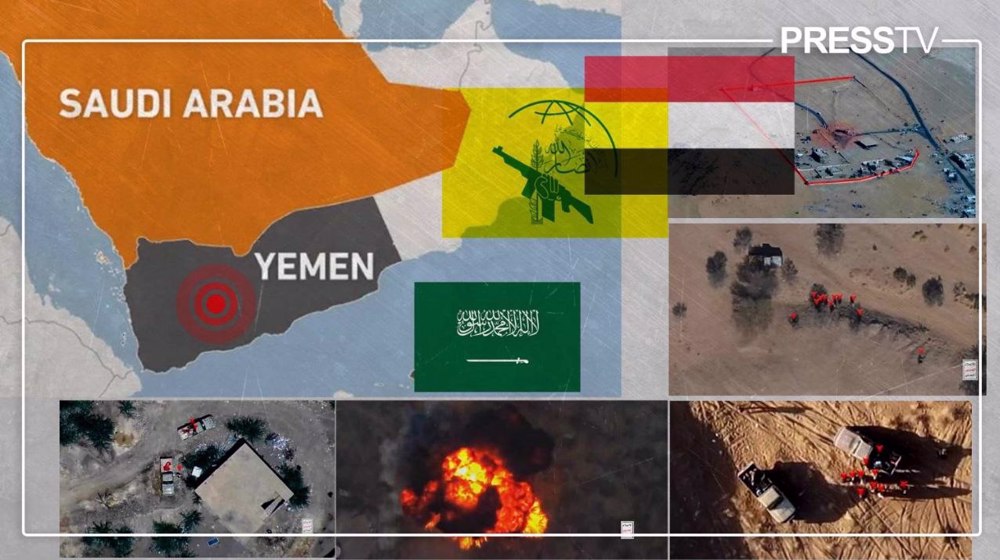
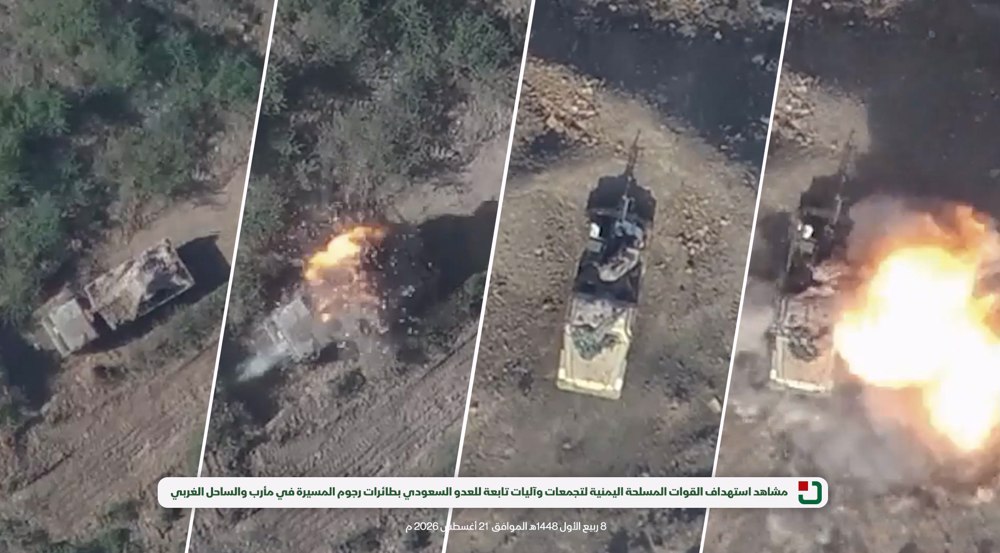
The footage released by the Yemeni military clearly documents a significant cross-section of high-value targets engaged across the Marib and western front operational areas.
One of the videos is geolocated at 16°37’47.4″N 43°06’52.7″E inside Jizan, Saudi Arabia proper.
The identification of a Saudi M1A2 operating within Saudi national territory and struck by a Yemeni military drone system is the single most strategically significant documented event in this footage, confirming cross-border reach and the ability to engage armor inside the Kingdom.
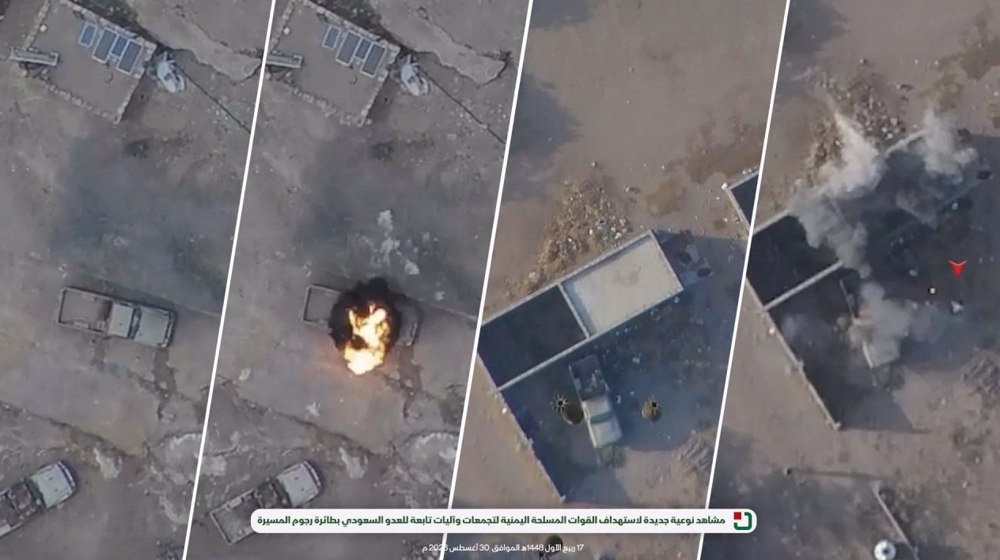
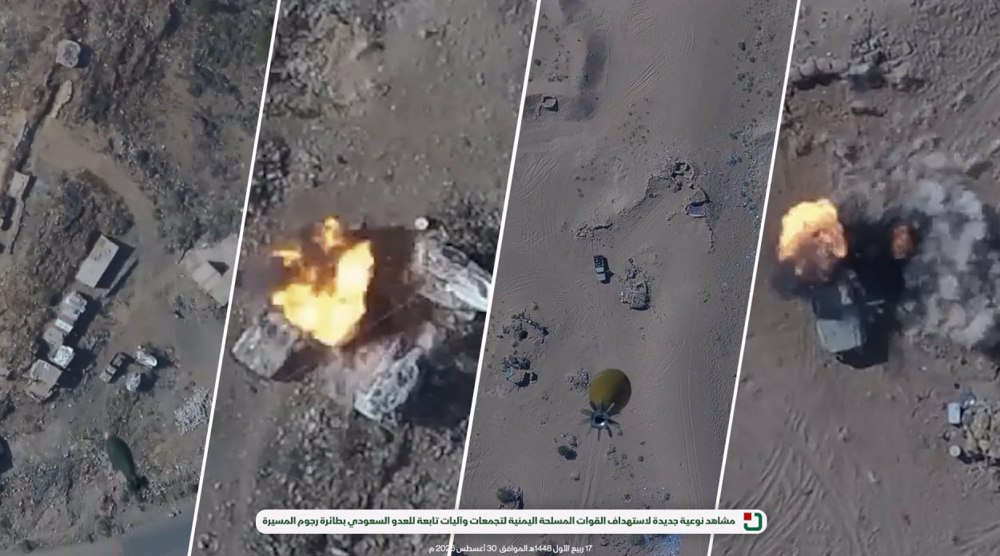
Tactical Pickup Trucks
A large number of tactical vehicles are taken out at checkpoints, military installations, and during troop movements. The integration of real-time reconnaissance and accurate strikes is on full display
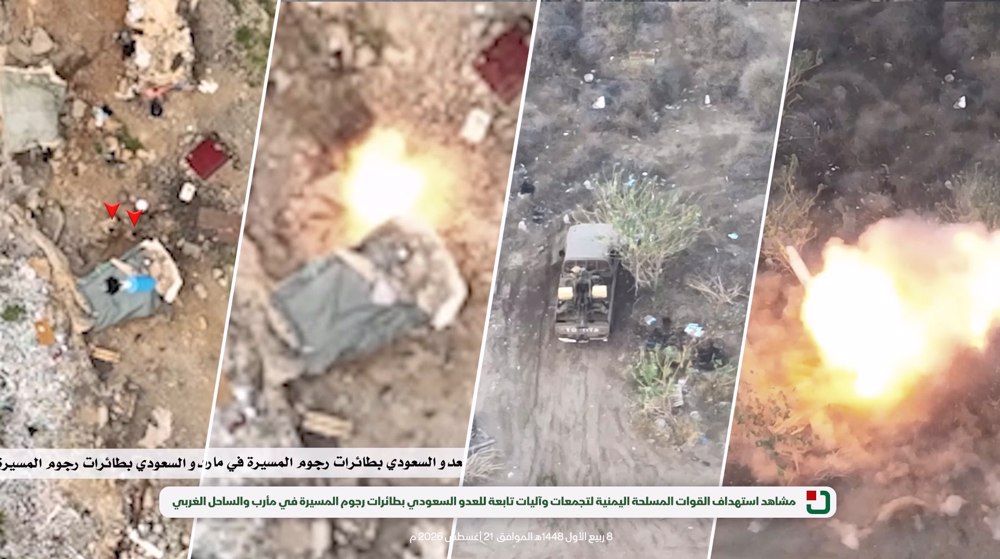
Forward Positions and Armed Tactical Vehicles
Forward positions, a self-propelled artillery piece, and multiple tactical vehicles armed with what appears to be ZU-23 anti-aircraft cannons are struck.
Military Engineering Equipment and Forward Positions
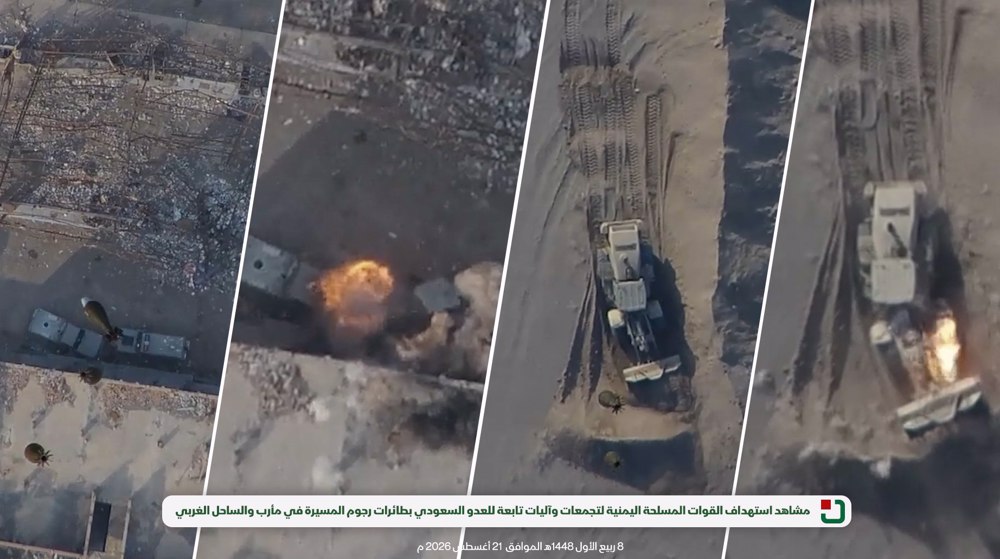
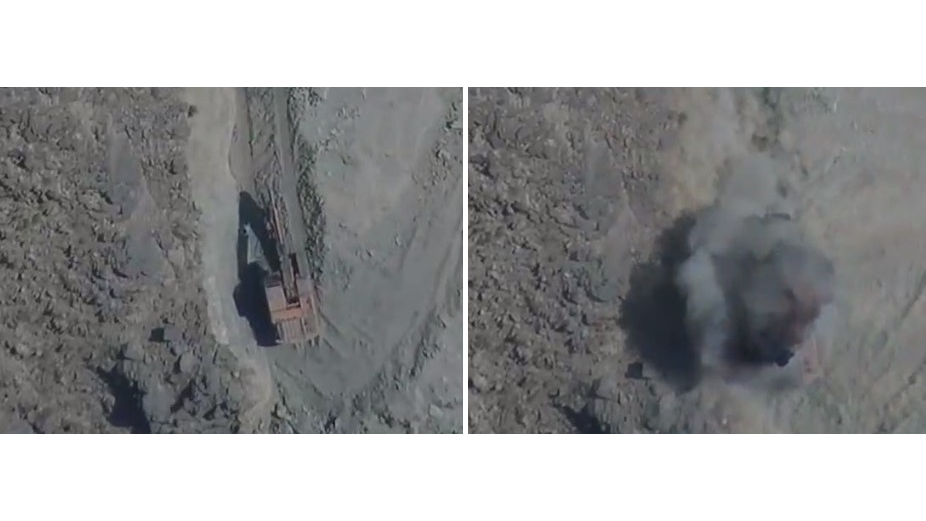
Heavy equipment constructing defensive earthworks and structures serving as forward positions are struck.
Fuel Storage
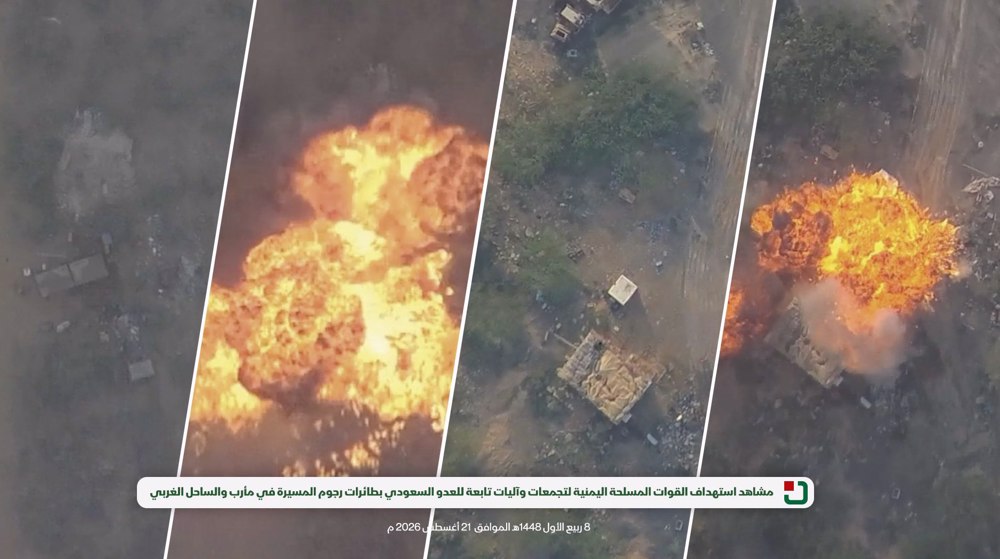
Multiple fuel storage sites are struck, resulting in secondary fires consistent with the ignition of bulk petroleum product.
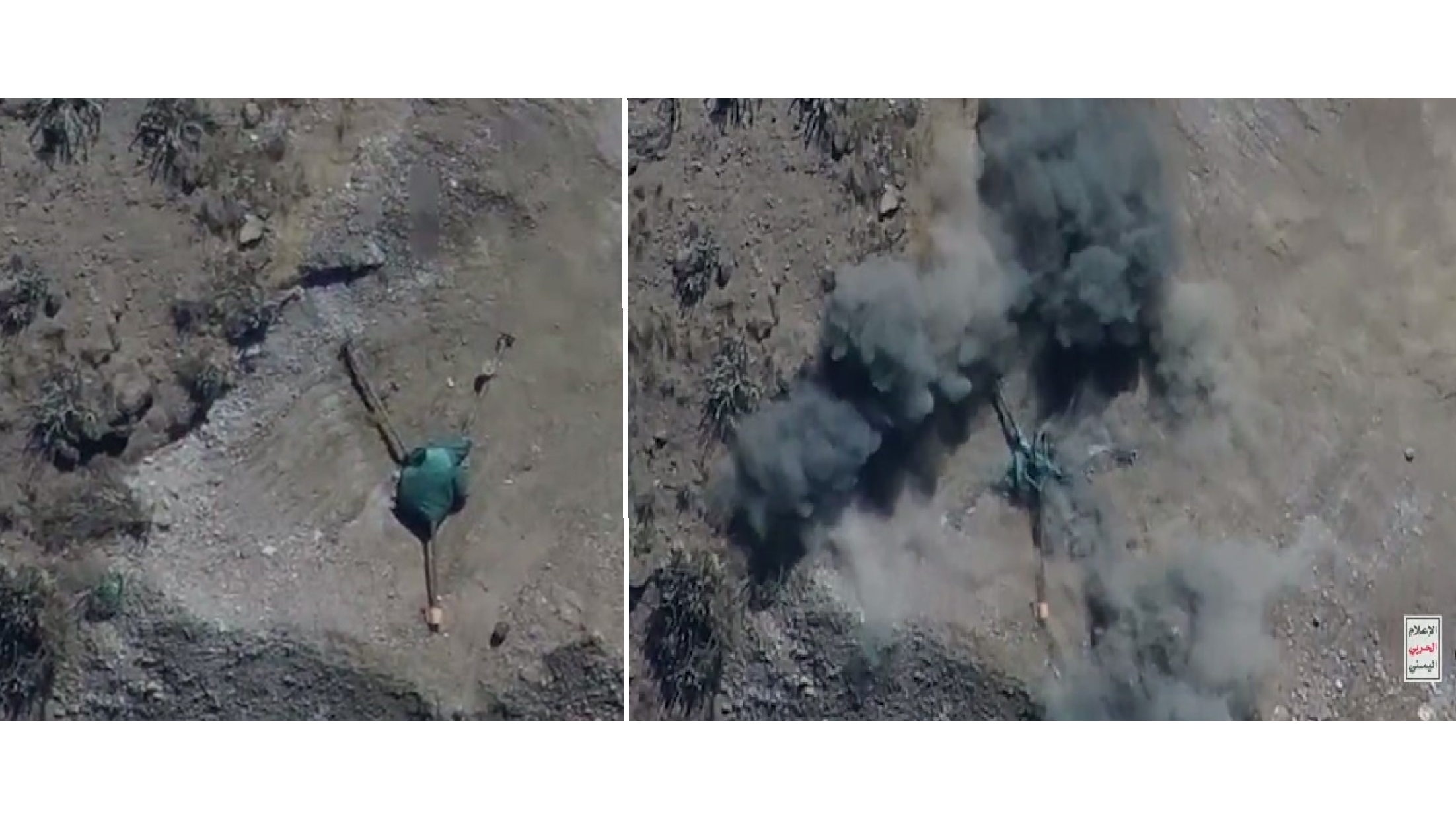
Towed Artillery Piece
Field artillery in a prepared position, consistent with a fire support site, is struck.
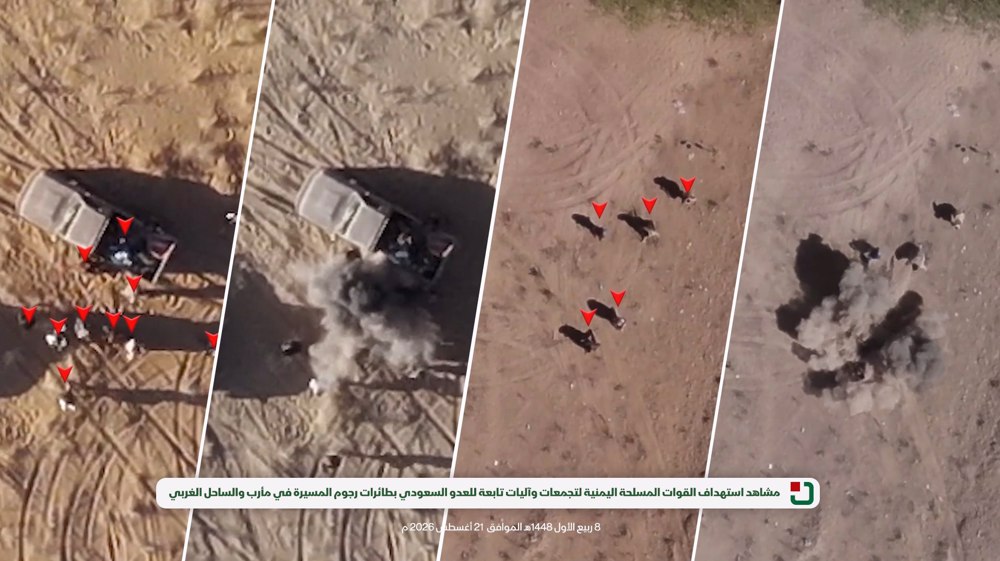
Troop Gathering/Assembly Area
Personnel concentrations are attacked, likely during a patrol, shift change, or resupply period. Multiple such attacks, consistent with pattern-of-life targeting, can be seen.
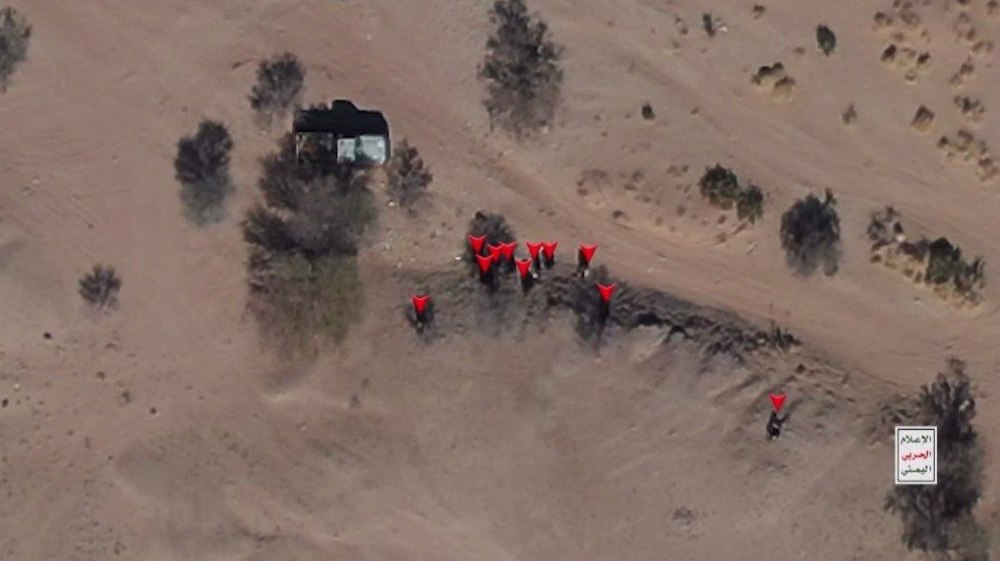
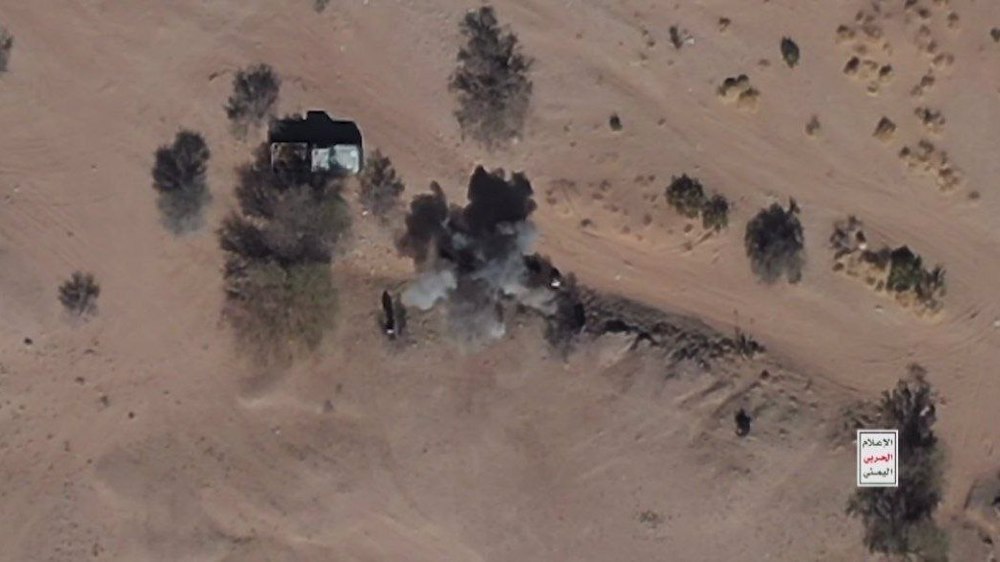
Accurate Anti-Personnel Strike
The strikes are typically highly accurate, often inflicting multiple confirmed casualties with each munition release.
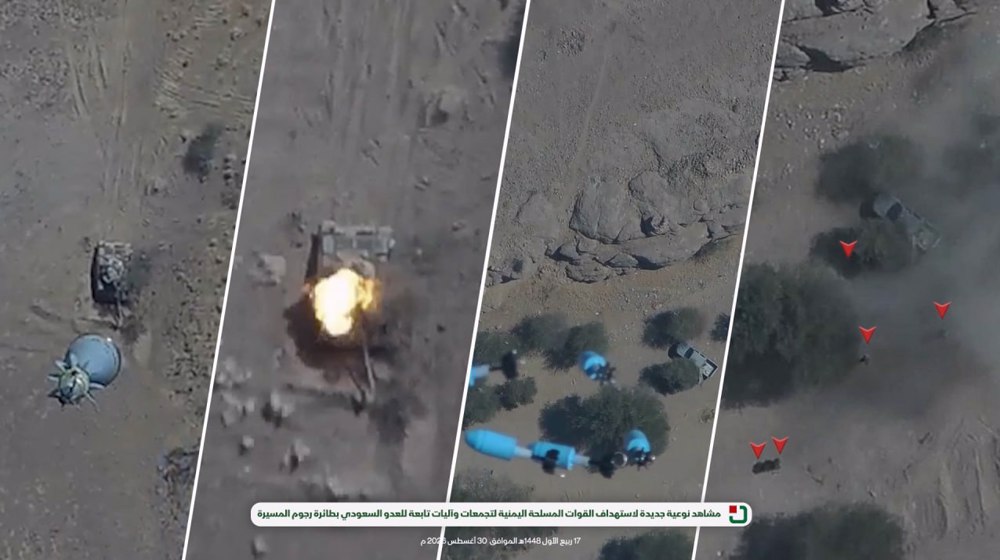
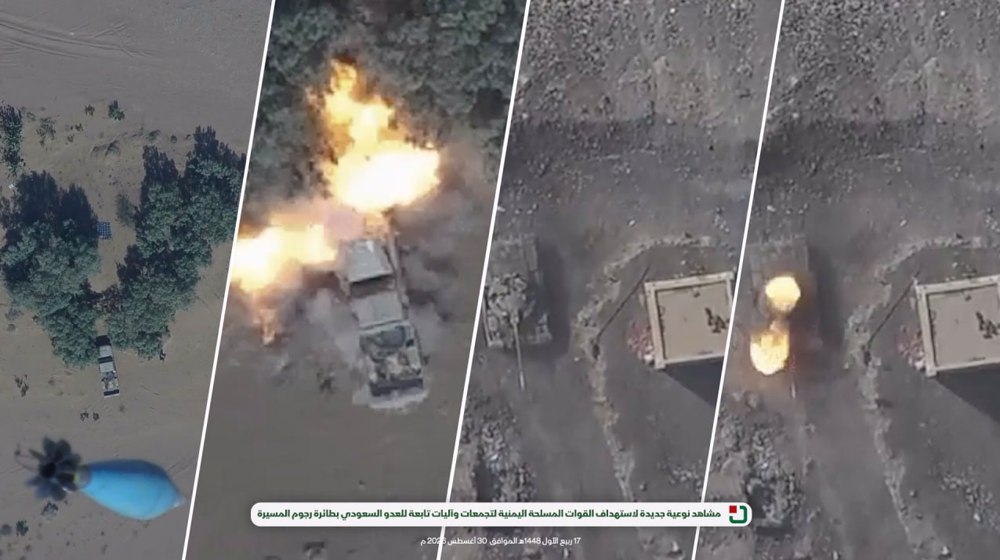
Two T-55 Main Battle Tanks and a Number of Infantry and Tactical Vehicles
Interestingly, the strikes against more robust targets like tanks, as well as larger enemy concentrations, are repeated multiple times to ensure the desired effect.
Employing multiple mortar rounds at long distances suggests the use of heavier, more advanced drones.
Operational Impact
At the operational level, the Rojoum footage documents a capability that imposes real costs on the freedom of maneuver of Saudi-backed fighters.
The demonstrated ability to engage mobile forces, armor, artillery, air defense systems, and logistics infrastructure from high altitude, with the level of accuracy displayed in the footage, means that Saudi-backed forces must now plan around drone-threat envelopes that are larger, more precise, and more capable of delivering heavy munitions than previous assessments.
The cross-border dimension further strengthens this operational picture. A force capable of striking armored vehicles inside its opponent’s home territory is no longer a contained insurgency operating within a defined theater. It is a force projecting power across an internationally recognized border against a major regional military.
Psychological impact
Combat footage of this quality, featuring consistent hits, high-value targets, and domination in engagements, exerts a particular form of psychological pressure on the forces being filmed.
The knowledge that one’s position, movements, and equipment can be observed, tracked, and struck with precision, without any ability to identify or interdict the platform responsible, creates a psychological burden that conventional artillery or airstrikes do not impose in the same way.
The drone is patient, quiet, and often invisible until impact. Its operator may be kilometers away, or even across an international border. For the Yemeni military’s own soldiers and the Yemeni population it governs, the footage communicates the message of competence, investment, and capability developed through years of effort rather than simply provided from outside.
That psychological dynamic can influence both recruitment and civilian support.
Informational impact
The release of this footage is a conscious act in an information war amid the ongoing war against the Yemeni people imposed by outside forces and their mercenaries. The Saudi-led coalition has released its own strike footage over the years. However, the coalition’s recent releases of similar FPV and bomber-drone attacks have been comparatively limited in volume and more modest in their demonstrated effects.
Yemeni military’s footage challenges what has long been the dominant narrative: that the movement is a constrained, externally sustained actor lacking genuine military sophistication, and that the overall trajectory of the war remains favorable to Riyadh and its partners.
Two ten-minute videos demonstrating systematic precision strikes against diverse high-value targets, including armored vehicles inside Saudi Arabia, constitute a direct challenge to that narrative. They are aimed simultaneously at domestic audiences, regional observers, international media, and potential coalition partners weighing the costs of continued involvement.
Combat footage also functions as an OSINT forcing event. When specific strikes can be geolocated, as appears to be the case with the M1A2 engagement, the footage provides evidence that independent analysts and journalists can examine and verify, multiplying its informational impact well beyond Ansarullah’s own media reach.
So, the Rojoum footage is best understood not simply as a snapshot of a current capability of the Yemeni military, but as a disclosure of accumulated investment. It has used the years of reduced major combat activity to train operators, develop platforms, establish supply chains, and mature a reconnaissance-strike system. The opposing side did not fully account for that process.
The Rojoum videos are the moment that capability gap became part of the public record.
The Saudi-led coalition may still retain advantages in air power, conventional munitions, and external military support. But the military ledger presented by the footage – tanks struck inside Saudi Arabia, air defense systems destroyed, artillery suppressed, and logistics infrastructure hit – is a ledger that will shape perceptions of the next phase of this war.