The spokesman for Iran’s Foreign Ministry has sharply criticized the conduct of US diplomats during indirect talks with Iranian representatives, saying Washington has mistaken negotiation for dictation.
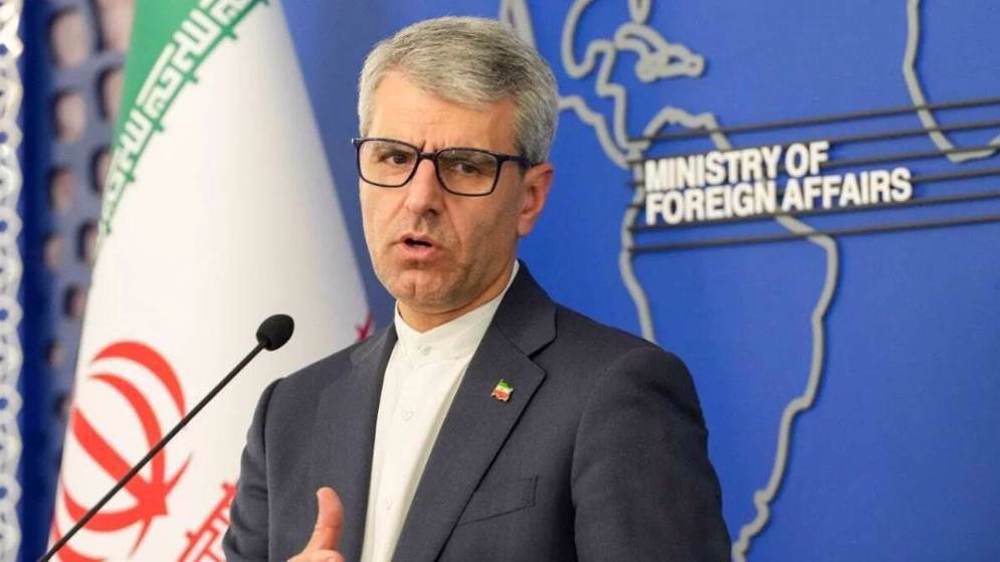
Speaking at his weekly press briefing in the capital, Tehran, on Tuesday, Esmaeil Baqaei said the main problem with the United States is that it confuses negotiations with “dictating terms” and assumes it can impose its demands on others, an approach that, he stressed, will not work with the Islamic Republic of Iran
“There is no doubt that American officials are confused in their approaches and statements; but this does not permit us to overlook our capabilities. We will utilize diplomatic means wherever necessary to elaborate on our stances and uphold the rights of the Iranian nation,” Baqaei stated.
He added that the Foreign Ministry appraises unfolding developments on the basis of national interests, and implements whatever is decided by relevant authorities.
The Iranian diplomat further noted that Tehran is closely monitoring the other side’s movements, stressing that Iran’s armed forces will not leave any act of aggression unanswered.
Regarding US hostile actions against Iran, he said such behavior was nothing new for the Islamic Republic, noting that Washington has repeatedly taken hostile measures under various pretexts and received the necessary response.
Baqaei also pointed to the visits of high-ranking officials from Oman, Qatar, and Pakistan to Tehran, stressing that Iran’s national interests determine its approach to negotiations with the United States.
He said decisions are made based on the prevailing circumstances and what is required to safeguard those interests.
He also emphasized that Pakistan’s Chief of Army Staff, Field Marshal Asim Munir, “carried neither a positive message nor a negative one” during his visit to Iran.
He explained that the visit was in line with Pakistan’s role as a friendly and neighboring country, and falls within the framework of Islamabad’s efforts in recent months to help reduce tensions.
Baqaei highlighted that de-escalation attempts are not restricted to Pakistan, and that several other countries have also played a role in this regard.
US facing crisis caused by its own mistakes
Commenting on Washington’s contradictory positions on war and diplomacy with Iran, Baqaei said the United States has become confused because it is dealing with circumstances of its own making.
He said Washington has resorted to promoting contradictory narratives in an attempt to evade reality, adding that the US is facing political erosion as a result of its unlawful military action against Iran and the escalation of regional tensions.
According to Baqaei, opposition within the US military structure and growing public fatigue with government policies are signs of the consequences of this approach, while “telling lies” has become part of Washington’s public diplomacy efforts to manage the situation.
US atrocities not limited to Minab, Lamerd
Turning to legal efforts to pursue the vicious US strikes on Iran, Baqaei said Tehran does not need to rely on reports by Western media outlets or experts to establish that the brutalities perpetrated amount to war crimes and crimes against humanity.
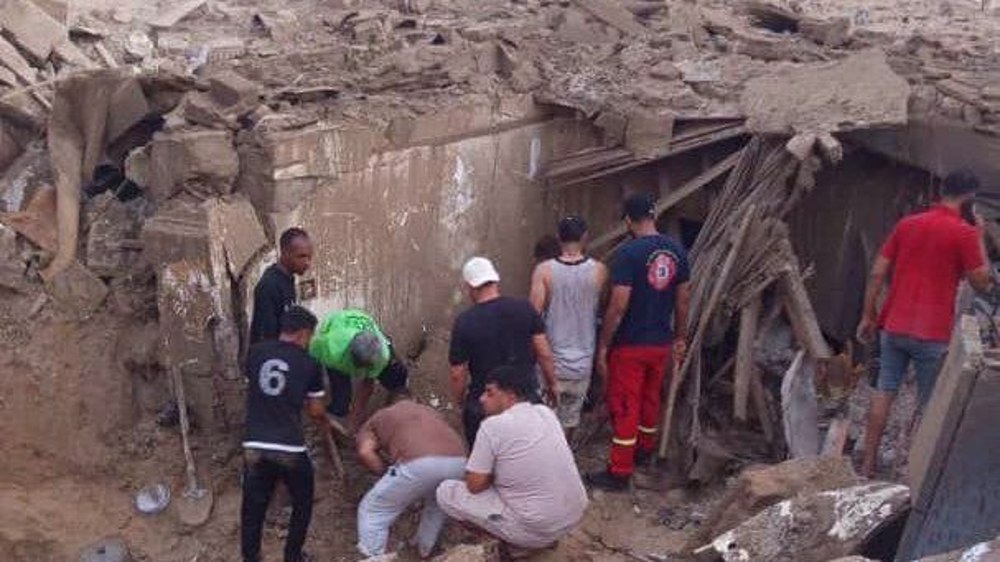
He said US attacks on areas including Minab, Lamerd, Qeshm Island, and other parts of Iran constitute war crimes from Tehran’s perspective and should not be reduced to a few high-profile cases while other incidents are overlooked.
The Iranian diplomat added that the attack on the Shajareh Tayyebeh School in the southern city of Minab, due to the high number of children among the casualties, and the Lamerd incident, over the use of prohibited weapons, had received greater attention. However, he stressed that all cases must be documented for possible proceedings in domestic courts and international forums.
[This item is being updated.]