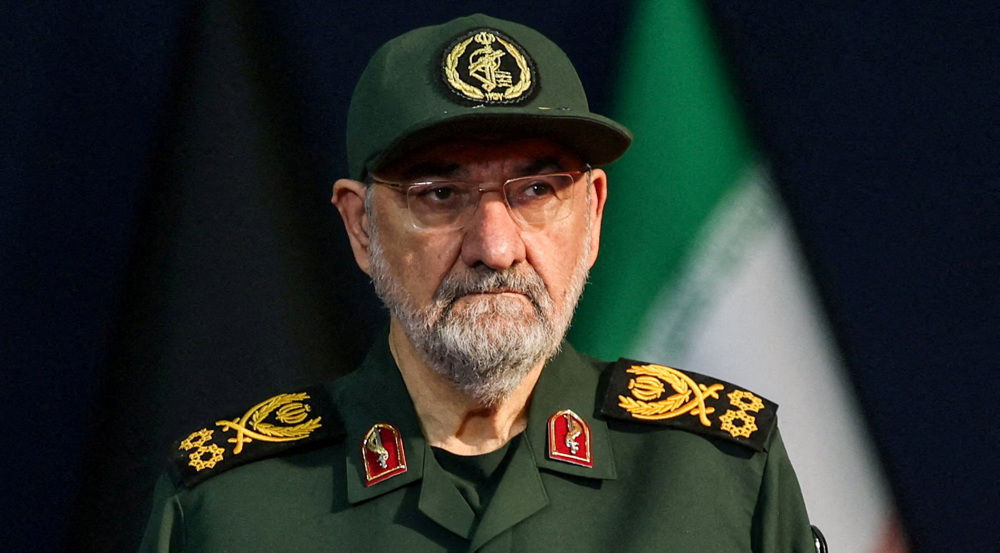
Iran’s newly appointed Secretary of the Supreme National Security Council (SNSC), Major General Mohsen Rezaei, has issued an uncompromising warning to America’s allies, declaring that any nation participating in or supporting the United States’ economic war against the Iranian people will be viewed as committing an “act of war.”
In a statement posted on X, Rezaei laid out an ultimatum regarding the country’s vital energy exports, directly linking global energy security to the cessation of American financial hostilities.
“If the economic war continues, not a single drop of oil will be exported, neither through the Strait of Hormuz nor from anywhere in the Persian Gulf,” Rezaei stated. “Iran will regard any country’s participation in or support for America’s economic war against the Iranian people as an act of war.”
Rezaei’s remarks come against the backdrop of an intensifying US economic warfare campaign.
For years, Washington has employed a “maximum pressure” strategy, utilizing sweeping secondary sanctions to target Iran’s central bank, financial institutions, and, most critically, its oil and petrochemical sectors.
The explicit goal of this campaign has been to reduce Tehran’s oil exports to zero, thereby strangling the revenue that funds the Iranian state.
The SNSC Secretary’s warning appears to be a direct response to recent declarations by US President Donald Trump, who has vowed to enforce a total, airtight blockade on Iranian oil revenues.
Trump has explicitly stated his administration’s intent to rigorously penalize any foreign entities, shipping companies, or major global importers that continue to facilitate the purchase of Iranian crude.
By threatening to weaponize the global financial system and impose crippling tariffs or sanctions on third-party nations, the Trump administration has sought to isolate Iran economically and force compliance with its demands.
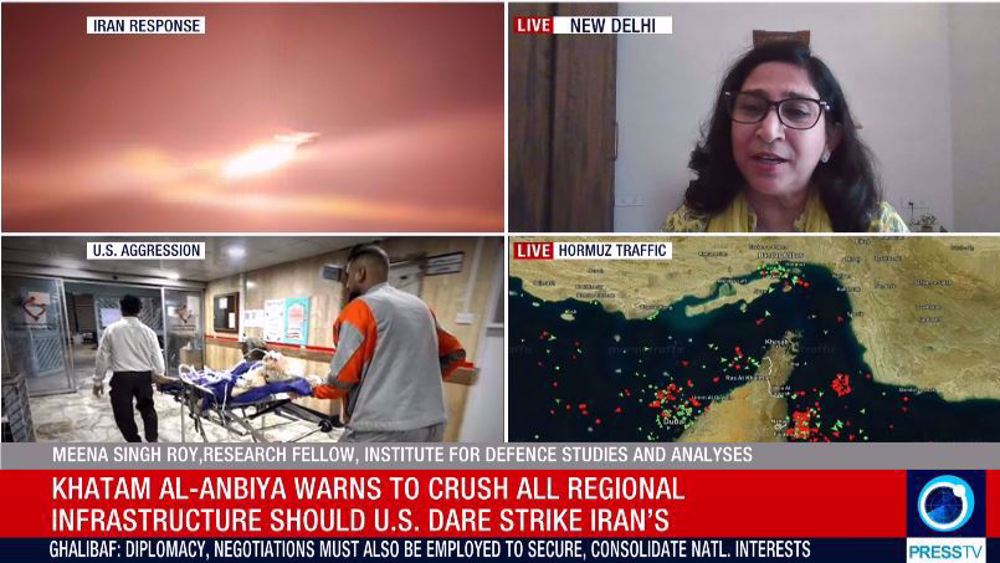
The Strait of Hormuz is the world’s most critical maritime oil chokepoint, through which roughly 20% to 30% of global petroleum liquids consumption passes daily.
Iran controls the northern coastline and has long invested in asymmetric naval capabilities designed to disrupt or close the strait in the event of an existential threat.