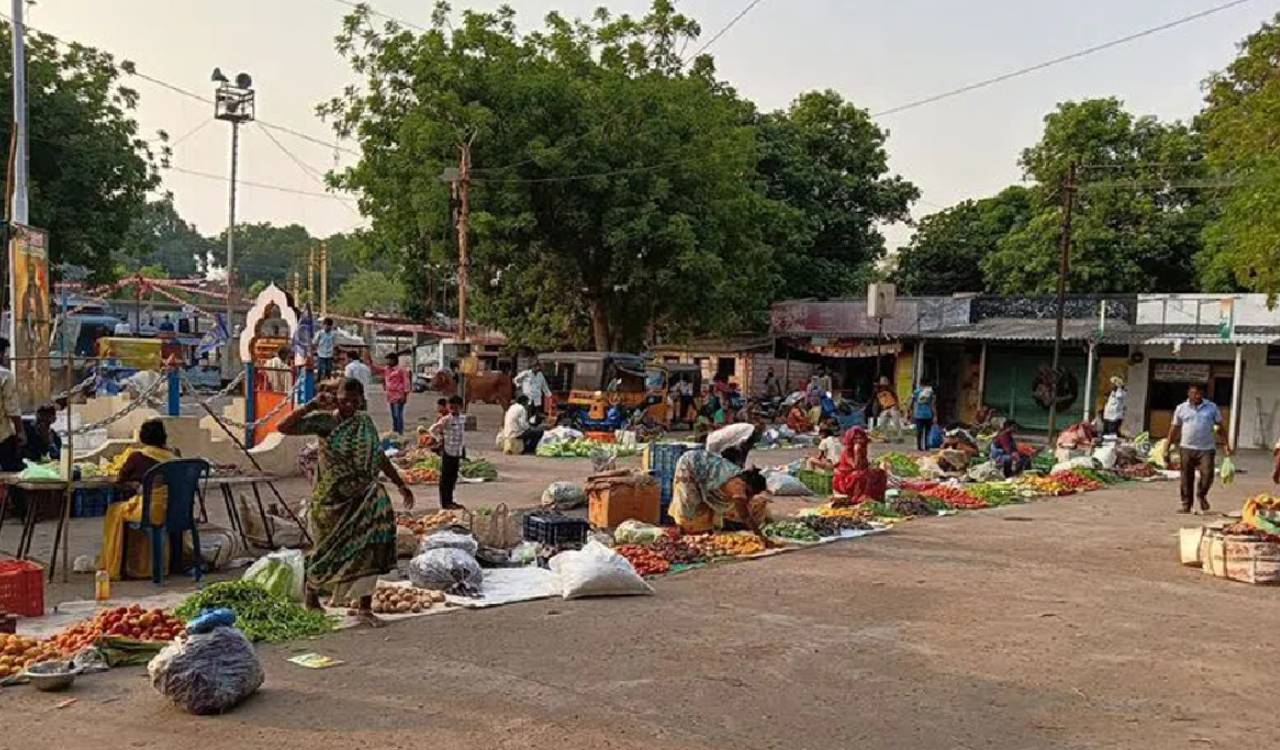
The rising cost of basic goods resulting from the US war of aggression against Iran has impacted goods not only in the US but also in Europe and around the globe. The immediate impact may be on energy, but the long-term price effects will happen in the short term. That’s when the real pain will be felt by the population at large.
The US economy has accumulated so much debt that it pays more interest on its loans than it spends on Medicare. Meanwhile, the populations of both Europe and the US are unable to keep up with the rising prices of basic goods, denting consumer confidence and spending.
When the cost of basic goods is affected, the top 1% or even top 10% may be able to handle this, but the poor and the elderly are the ones who will suffer the most.
Supply chains and factories have been gravely impacted.
Inflation and increasing prices of basic goods are a natural outcome of the US war of aggression against Iran. But broken supply chains will take time to recover or be replaced, which means inflation is here to stay.
In the US, soap, shampoo, deodorant and household products have risen by 2-3%, with milk, fruit, bread, meat and vegetables having increased by as much as 30%.
How can income keep up with the rise in prices?
This is a situation where Americans are having a very hard time keeping up with the rising cost of living to the point where affordability has become the buzzword and a major political issue within both the two major parties, the Democrats and the Republicans, and it is the number one issue for voters going into the elections in a couple of months.
This, of course, has been generally a longstanding economic issue in the United States that predates the war, but the war in Iran and the closure of the Strait of Hormuz and the economic crisis that is really just beginning for Americans is only making this long-term historical trend, where it’s very difficult for ordinary people, ordinary working class, and middle-class Americans, to make ends meet, it’s only exacerbating this issue, and it’s only going to get worse.
Ted Rall, American Columnist, Political Cartoonist, Author
The US government officially posted its largest July budget deficit in history at $432 billion due to acceleration in federal spending.
Interest on US debt increased $26 billion from last July’s levels to an alarming $118 billion for the month. This puts total interest expenses for FY 2026 up to $1.17 trillion in FY 2026.
As a result, interest expense has officially surpassed both national defense and Medicare spending. In other words, the US government now spends more money just on interest than it does to fund the entire US military or provide healthcare for seniors.
Another problem is that some of the price increases have yet to become manifest.
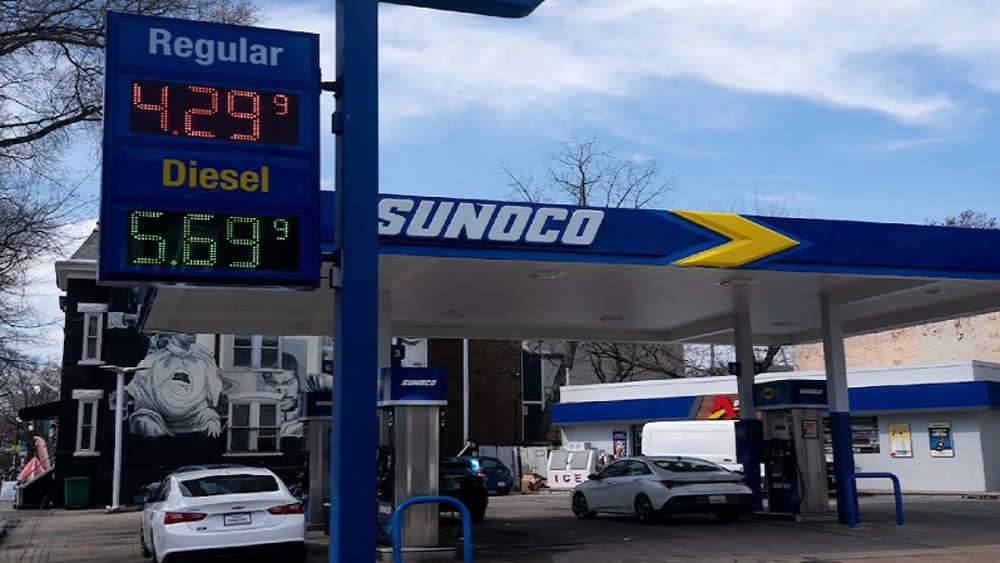
The worst is yet to come. I mean, at this point, look at gasoline prices at service stations in the United States. Before the war, it was just under $3 per gallon. Now it’s just over $4 per gallon, and the oil’s futures markets and the traders don’t seem to have really responded to the fact that Brent crude oil has already been as high as $100 per barrel, and it could easily go higher as this goes on.
And there’s no end in sight at this point, my personal take is that the traders have been entirely too optimistic in terms of thinking that the crisis is going to be put behind us.
Even in the extremely unlikely event that a peace agreement were to be arrived at very quickly, the ripple effect that’s going to go through the economy is going to go through many months and probably years.
We see that even now we’re having aftereffects still of the COVID pandemic five years ago, six years ago. So obviously, the current ongoing and escalating situation in the Middle East, which now involves 14 nations, is only going to have a tremendous effect on all costs of goods and services in the United States, because everything relies on electricity and power.
Ted Rall, American Columnist, Political Cartoonist, Author
The US war against Iran has affected everyday products in the US as well as the rest of the world.
In the US, soap, shampoo, deodorant and household products have risen by 2-3%, with milk, fruit, bread, meat and vegetables having increased by as much as 30%.
How can income keep up with the rise in prices?
In June 2026, four months after the start of US attacks on Iran, there was an estimate that the average US household was paying $1,000 extra on top of what they would normally pay to survive.
$1,000 is a lot of money for the average US household that’s already kind of living paycheck to paycheck, and wages have not kept up with the rises in prices, I think in May of this year, wage growth was slower than inflation for the first time in three years.
So that means quite clearly that the increase in wages is not keeping up with the increase in prices that we’re seeing everywhere. In general, in the system that we live in, you know, wage increases come after cost of living increase already, and so definitely the costs to the average household are increasing.
But it’s also worth noting that when we’re paying more for, you know, soap or shampoo or food, that money is not just disappearing into thin air, right?
It’s going directly out of the workers’ pockets and into the ruling class’s pockets, the pockets of the corporations and the investors in those corporations that are profiting massively off of this crisis by artificially raising their prices because they know they can.
Sachin Peddada, Economic Analyst
The US just sold 30-year bonds at 5.22 %, the highest borrowing cost since 2001. The day before, 10-year notes went at the highest since 2007.
It’s a big deal because the national debt is near $40 trillion, larger than the whole US economy, and all of it has to be refinanced at these higher rates over time.
The government now spends more on the interest than on national defense.
When the government pays 5.22% to borrow for 30 years, the rate pulls up everything else. You borrow against your mortgage and your car loan included.
It’s not just a temporary disruption that’s going on. This is a structural shift that we’re seeing that’s rippling throughout supply chains that are the foundation of the global economy. Oil prices have gone up, I think, by a record since the start of the US war against Iran, even higher than the price increases that we saw in 2022 after the war in Ukraine started. And it’s worth noting that, first of all in the immediate term, what we’re seeing is that these corporations are able to take advantage of a crisis to raise their prices and increase their profits.
One of our colleagues, Isabella Weber, talks about sellers’ inflation in the context of the war in Ukraine, and this is a good example of that. But as in the case of Ukraine, this is also a sustained thing. These prices are never going to go back down, so the prices are artificially increased for a sustained amount of time.
There are downstream effects and long-term effects of the closure of the Strait of Hormuz.
So first, with the energy sector, 20% of global consumption of energy is suddenly cut off from, you know, travel, and there are oil terminals that Iran has struck in the region that are no longer producing, but instead of investing their windfall profits into increasing production, oil companies are sitting on their cash, so they’re not even trying to increase their production, which means that the price increases are something that they’re banking on for the long term by restricting their output.
Fertilizer costs are already increasing by 31% according to the World Bank. Nitrogen prices are almost double what they were before the war, and higher input costs mean that the costs of food production go up.
The third case I think that’s interesting is helium, which is not really talked about all that much, but helium is a major byproduct of gas refining, and Qatar produces roughly, I think, a third of global helium supply. And their facility was struck in March, and it hasn’t been repaired yet. And so, all the East Asian companies that are making semiconductors, helium is an essential component to semiconductor manufacturing, and so, the lack of helium means that electronics, everything that we use that has a semiconductor in it, is going to be a lot harder to produce, which also includes military technologies that the US will be relying on, and so that also puts strain on not only households but also on the state apparatus that is, and then the corporations that are profiting off of the crisis.
Sachin Peddada, Economic Analyst
It is common knowledge that the US war of aggression against Iran and its illegal blockade have led to price increases and inflation overall. But what specific items have been impacted in the US and Europe in particular?
Rising gasoline prices have a direct and significant impact on the cost of food and other essential goods.
Higher fuel prices increase transportation and distribution costs across the country. Trucks that deliver food, vegetables, dairy products, and other daily necessities become more expensive to operate, and these extra costs are quickly passed on to the consumers.
As a result, the prices of basic food items and everyday goods rise, adding further pressure on household budgets already strained by inflation. Price increases are everywhere.
Coffee, for example, has risen by 35 percent, and gas by 34 percent, a direct outcome of the US blockade. Ground beef, which used to be one of the cheapest items of food that you could buy, has gone up by 23%, Orange juice by 23%, and steak by 21%.
The price of utilities has risen by 8-12% as a result of the war of aggression in Iran; airfare has increased by 12%.
Then there is sugar, which has gone up by 9%, and chicken breast by 5.3%.
One of the cheapest items before the war, fruits and vegetables, have increased by 5.2%, and clothing by 5 percent.
The World Bank estimated that the war could push overall commodity prices about 16% higher, with energy prices up about 24%. Which segments of the population would you say will get hurt the most?
Perhaps in raw numbers, wealthy people will lose higher stock portfolio value in the aggregate simply because they own and control a bigger part of the economy.
But in terms of the pain and how it will be affected and how people can ride it out or not ride it out, obviously the burden is going to fall hardest upon the poor, the working class, and then to a lesser extent, the lower middle class and the middle class, because these are people who live paycheck to paycheck, and a 16% increase in costs, which I personally think might be conservative, is just something that most people can’t do because every single penny that comes into their paycheck, they spend as soon as they receive it.
So it’s not like they have a cushion. It’s not like they are doing particularly well. This is a country, the United States, which has had rising income disparity, as many Western European countries have had for the last few decades or more, so yeah, the pain is going to disproportionately fall upon the people who can afford it the least.
Ted Rall, American Columnist, Political Cartoonist, Author
Looking at the latest available European data, the biggest direct increases have been in energy and fuel. There has been a significant increase in the price of electricity, as well, adding to the cost of living for Europeans overall.
Price increases in food and groceries have been small up to this point, but are still rising. The important caveat that we need to focus on right now is that not all of the increase can be attributed to the war on Iran.
There are other factors that need to be considered, for example, weather, the Russian energy disruption, and other factors that are also contributing to the price increases at present.
In both Europe and the US, food hasn’t exploded in price yet. So, if you’re standing in a European supermarket today, the Iran War has not yet produced a 10 to 20 percent across-the-board grocery shock.
Farmers and food producers first absorbed higher costs for diesel, fertilizer, electricity, refrigeration, packaging, and transportation.
Those costs can take months to reach supermarket shelves, and there are now warnings that food inflation could accelerate later in 2026 as the combined effects of the Iran War, Ukraine War, and also weather and El Nino conditions work through agricultural markets.
The price increases discussed so far appear to be just the tip of the iceberg.
There appears to be no relief in sight when it comes to the closure of the Strait of Hormuz, and also the disruptions that we have witnessed and heard about when it comes to the Bab al-Mandab Strait.
Add to that the natural pressure points like the Russian war and the impact of the weather, the situation will get worse.
Maybe the top 1% can handle this but what about the poor and the needy?
Absolutely, the lower income segments of the working class and the poor in the US are the most affected, but it’s worth noting that actually this crisis affects all of the working class in the US. I think a couple of years ago, over 80% of the average US worker’s income was spent on basic necessities: food, housing, energy, and the other less than 20% was what they had as disposable income.
So it’s not like these households, even in the better off segments of the working class, really have that much flexibility to absorb these higher prices. And so yeah, definitely the poorest segment of the population will suffer the most because they have so little room to work with, but even better off workers are also not going to be able to keep up with the rising costs of everything as a result of the war.
And it’s also worth noting that inequality is at a fever pitch at this point. Research by a colleague of mine, Gregor Semieniuk, shows that the top 1% of US households were owners of more than 50% of the shares in oil corporation profits. So, more than 50% of oil company profits after the war started went to only 1% of US households, and the bottom 50% of US households only accounted for, I think, less than 1% of the profits that were realized by these oil companies.
And so, very clearly, we’re seeing that the wealthy are enriching themselves by taking money away from people who have a lot less, so the top 1% had this increase in stock revenue that offset the cost of inflation. For the bottom 50% or for most of the working class, if not the entire working class, there’s basically no offset for the inflation cost, and so inflation hits the workers harder than it hits the ruling classes. To say nothing of the Congress people that are choosing to send us into these wars, which there’s been study after study and report after report showing that Congress people are enriching themselves to the tune of hundreds of millions of dollars based on wars in Ukraine, in Iran, elsewhere, and so it’s a real situation where already conditions are so fraught, to then be taking even more money out of the majority of the population’s pockets to enrich a very small minority; this won’t end well for that small minority.
Sachin Peddada, Economic Analyst
The US has announced that it will apply the worst economic sanctions in its history on Iran in order to choke Iran’s economy.
Iran has experienced this for decades, called maximum pressure by Donald Trump, which has failed.
The US fails to comprehend that its naval blockade, set to continue indefinitely, only means that there will be rising energy prices and an untenable increase in the cost of basic goods, within the US, Europe, and indeed, the whole world.