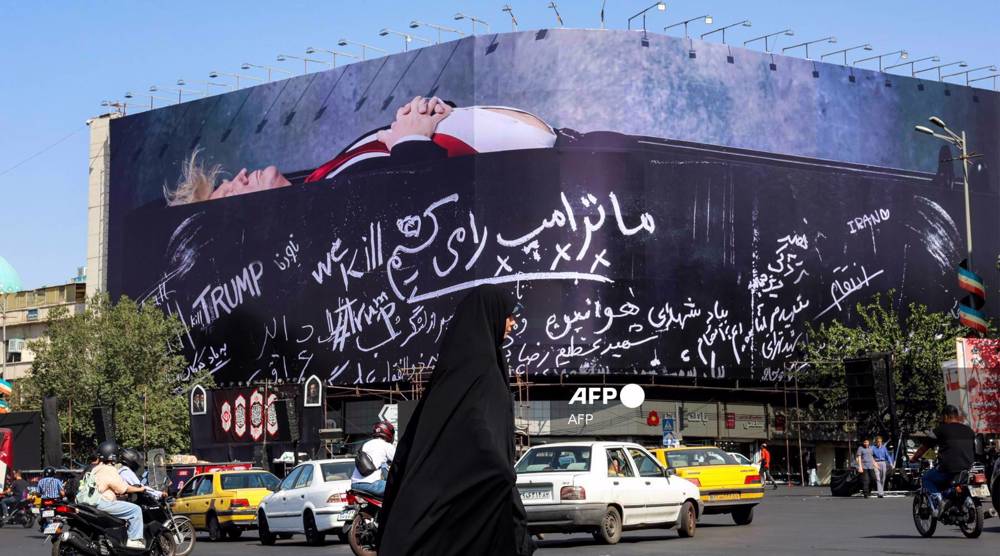
The Iranian Army’s spokesman says individuals who capture or kill US troops in the event of a ground invasion of Iran would receive a cash reward of 5 billion tomans, equivalent to approximately $30,000, with women receiving double the reward.
“Any member of the armed forces or any of our dear citizens who legally possesses a hunting firearm, and who kills or captures invading US forces in the event of a ground incursion into our territory, will receive a reward of 5 billion tomans ($30,000),” Brigadier General Mohammad Akrami-Nia said.
He added that the reward would be doubled if the action were carried out by Iranian women.
According to the Army spokesman, the firearm used in such an action would also be purchased by the Army for twice its original price and preserved in a military museum as a historical honor.
“The weapon will be purchased at twice its price and preserved in a museum prepared by the Army. It will remain there throughout history as a source of pride, bearing the name of its owner, and the Army will present the owner with a similar weapon,” he added.
The US and the Israeli regime launched another round of aggression against Iran on February 28, some eight months after carrying out unprovoked attacks on the country.
During the aggression, the US and the Israeli regime assassinated Iran’s Leader of the Islamic Revolution, Ayatollah Seyyed Ali Khamenei, along with senior military commanders, while thousands of civilians, including women and children, were also killed.
Iran swiftly retaliated by launching barrages of missiles and drones at the Israeli-occupied territories, as well as US bases and interests across the region.
The escalation ultimately forced the US and the Israeli regime to agree to a ceasefire on April 8 after Iran’s retaliatory operations inflicted significant costs on the aggressors.
On June 17, the presidents of Iran and the United States signed a memorandum of understanding (MoU) to end the war and begin a 60-day diplomatic process to resolve the differences.
The MoU was aimed at ending the war, but Washington soon violated the agreement by failing to respect Iran’s arrangements concerning the Strait of Hormuz.
The strategically vital waterway was largely closed during the war on Iran, severely disrupting regional maritime traffic and placing further pressure on energy shipments.
The Strait remains closed, and Iran has made clear that it will not allow its reopening until the United States meets the demands Tehran has announced.