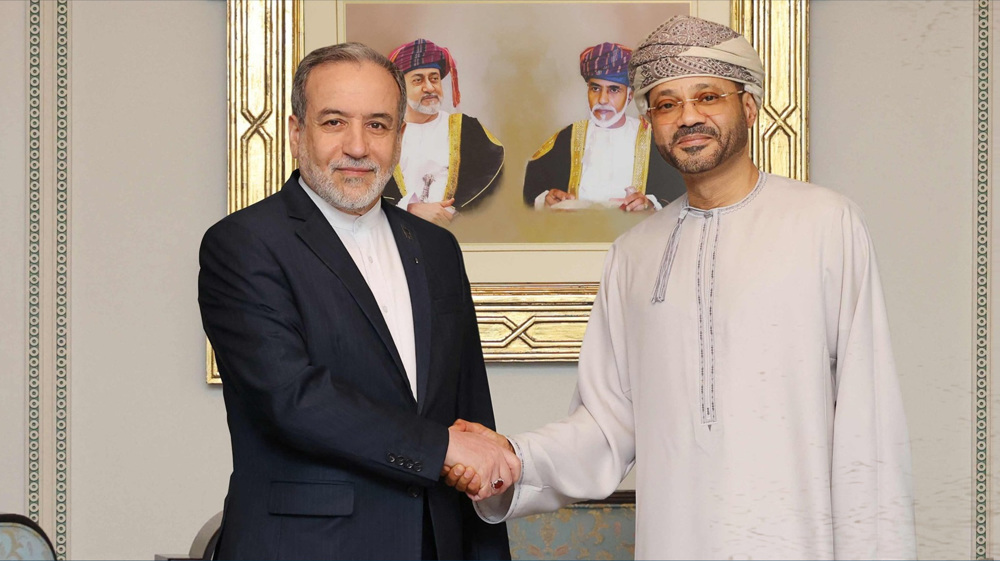
In this interview, analysts Sakina Datoo and Syed Mohsin Abbas examine the regional significance of an Iran-Oman agreement on navigation movement map regarding the Strait of Hormuz and Iran’s ability to withstand the US naval blockade, highlighting growing regional efforts to resolve disputes independently of Washington and Iran’s alternative trade routes that could mitigate the impact of any blockade.
Datoo says the Iran-Oman agreement reflects a growing regional realization that countries must address their differences without relying on the United States. However, she stresses that the Strait of Hormuz will not reopen unless Washington ends its blockade and threats against Iran, describing the regional agreement as an important step towards greater regional cooperation.
Abbas, meanwhile, argues that the US blockade has limited effect because Iran is not dependent solely on the Strait of Hormuz to move goods and services. He points to Iran’s ports outside the strait and multiple land routes through neighboring countries, saying these alternatives give Tehran greater resilience than Persian Gulf states that depend heavily on maritime routes.