The seventh round of US-brokered negotiations between Lebanon and Israel have concluded in Rome without any breakthrough, marked by Israeli forces unleashing their most intense artillery barrage on southern Lebanon since the signing of a controversial framework agreement in June.
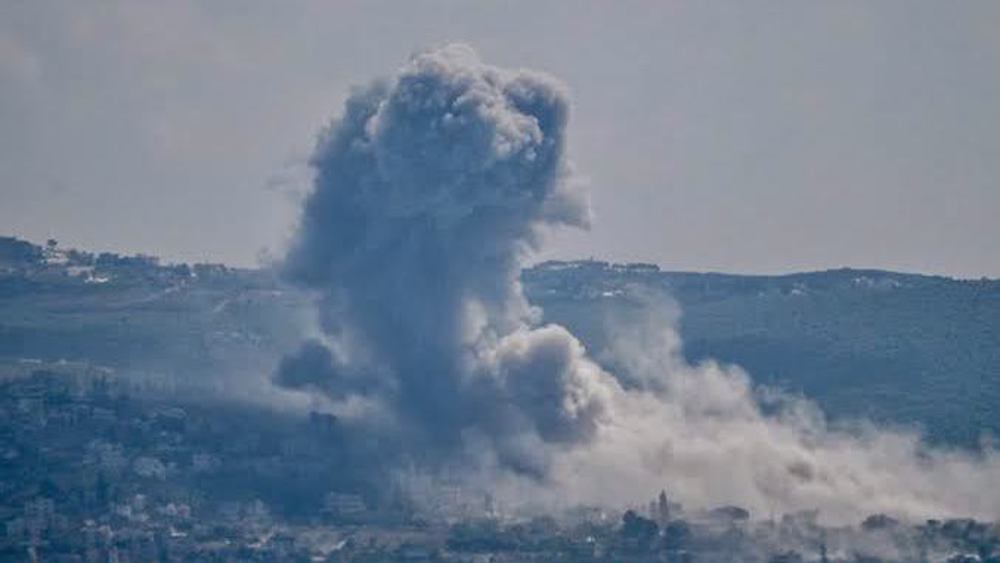
As diplomats met at the US Embassy in Rome, Israeli artillery and warplanes pounded Lebanese villages with increasing ferocity.
The United Nations Interim Force in Lebanon (UNIFIL) recorded 120 projectiles fired by Israeli forces between midnight and 4 p.m. on Thursday alone—surpassing the previous day’s total of 113 and marking the highest single-day figure observed since June 21.
UNIFIL described the escalation as the “sharpest” surge in Israeli military aggression since the announcement of the US-mediated trilateral framework in late June.
Crucially, UNIFIL reported that it did not detect any projectile launches by Hezbollah during the period, underscoring the one-sided nature of the ongoing Israeli violence.
The framework agreement signed in Washington on June 26, which the talks in Rome were ostensibly meant to implement, has been condemned by broad swathes of Lebanon’s political class as a national catastrophe that compromises Lebanese sovereignty while extracting no binding commitments from Israel.
Critics point to the agreement’s fundamental imbalance: Lebanon is required to deploy its army to “pilot zones,” dismantle resistance infrastructure, and verify disarmament—all before Israeli forces begin their gradual redeployment.
No binding timetable exists for Israel’s withdrawal from occupied Lebanese territory.
Israeli prime minister Benjamin Netanyahu has publicly presented the agreement as an achievement for Israel, a framing that has intensified the backlash in Beirut and reinforced the view that Lebanon has made outrageous concessions without securing even an immediate ceasefire.
Lebanon’s prominent Mufti, Ahmad Qabalan, declared the agreement the “worst national catastrophe” in Lebanon’s history, asserting that it effectively grants the Israeli military a form of guardianship over the Lebanese army and implicitly recognizes Israeli sovereignty over occupied areas.
Hezbollah Secretary-General Naim Qassem has described it as “a humiliation, a disgrace and a surrender of sovereignty”.
Even the Free Patriotic Movement, one of the largest Christian parties and not traditionally aligned with Hezbollah, has warned against “surrendering to Israeli demands”.
The Rome negotiations, held over three days including two days of intensive meetings at the US Embassy, failed to produce any tangible progress.
Sources close to the negotiations said the sessions, the seventh round overall, were divided into three tracks—military, political, and legal-border—but yielded no clear results.
While negotiators talked, Israeli forces intensified their assault on southern Lebanon with devastating effect.
On Wednesday alone, Israeli forces fired 113 projectiles into southern Lebanon, with 77 of them striking the town of al-Mansuri and surrounding areas. On Thursday, the bombardment increased to 120 projectiles in just 16 hours.
The Israeli military issued urgent evacuation warnings to residents of al-Mansuri, forcing families to flee their homes.
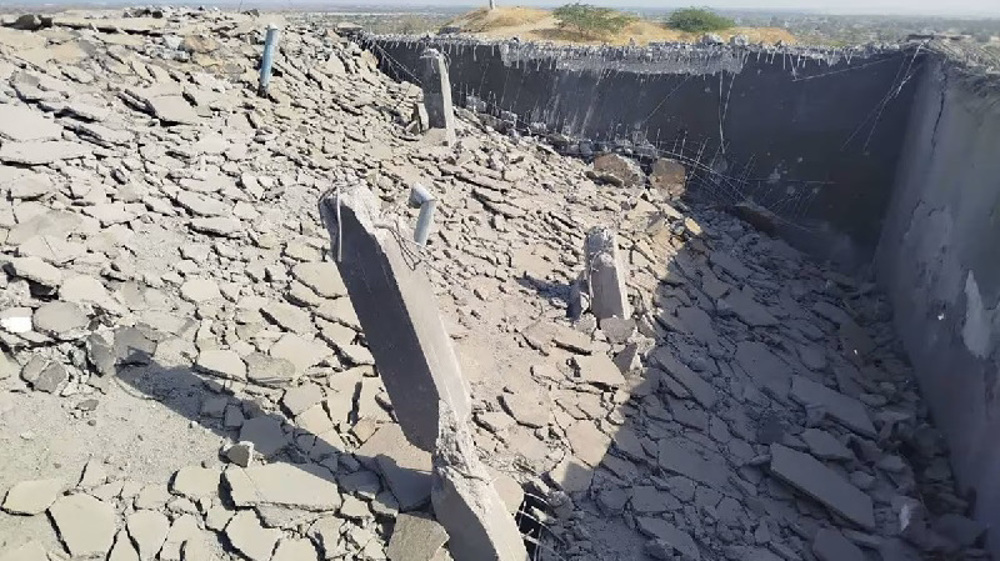
Two Israeli soldiers were killed and several injured in an explosion in the al-Mansuri area on Wednesday, reportedly after forces entered a facility ahead of a planned demolition.
UNIFIL confirmed it did not directly observe the explosion but noted the subsequent Israeli evacuation order.
The Lebanese Ministry of Health reported that eight civilians were injured in Israeli airstrikes on the town of Burj al-Shamali near Tyre on Thursday.
Israeli warplanes also flew at low altitude over the southern suburbs of Beirut, the Bekaa Valley, and the northern region of Akkar, with drones maintaining continuous flights over the capital.
Since March 2, when Israel escalated its military aggressions in Lebanon, the attacks have killed 4,333 people, injured 12,250 others, and displaced more than 1 million Lebanese citizens, according to Lebanese Health Ministry figures.
Israel’s negotiating position, as reported by sources familiar with the humiliating talks, is to preserve its military’s freedom of action as long as Hezbollah “continues to pose a threat”—a determination Israel makes unilaterally.
Israel has refused to agree to any operational restrictions until Lebanon fully implements its commitments under the framework agreement.
This position effectively grants Israel a perpetual veto over Lebanese sovereignty, with the Israeli military retaining the right to strike Lebanese territory at will, even as Lebanese forces are expected to disarm and dismantle Hezbollah’s infrastructure.
The Lebanese government, led by Prime Minister Nawaf Salam, has defended the negotiations as an assertion of independence. But critics argue that in practice, the agreement has only deepened Lebanon’s subjugation to Washington’s agenda while providing Israel with diplomatic cover for continued aggression.
The next round of talks is tentatively scheduled for September 1.