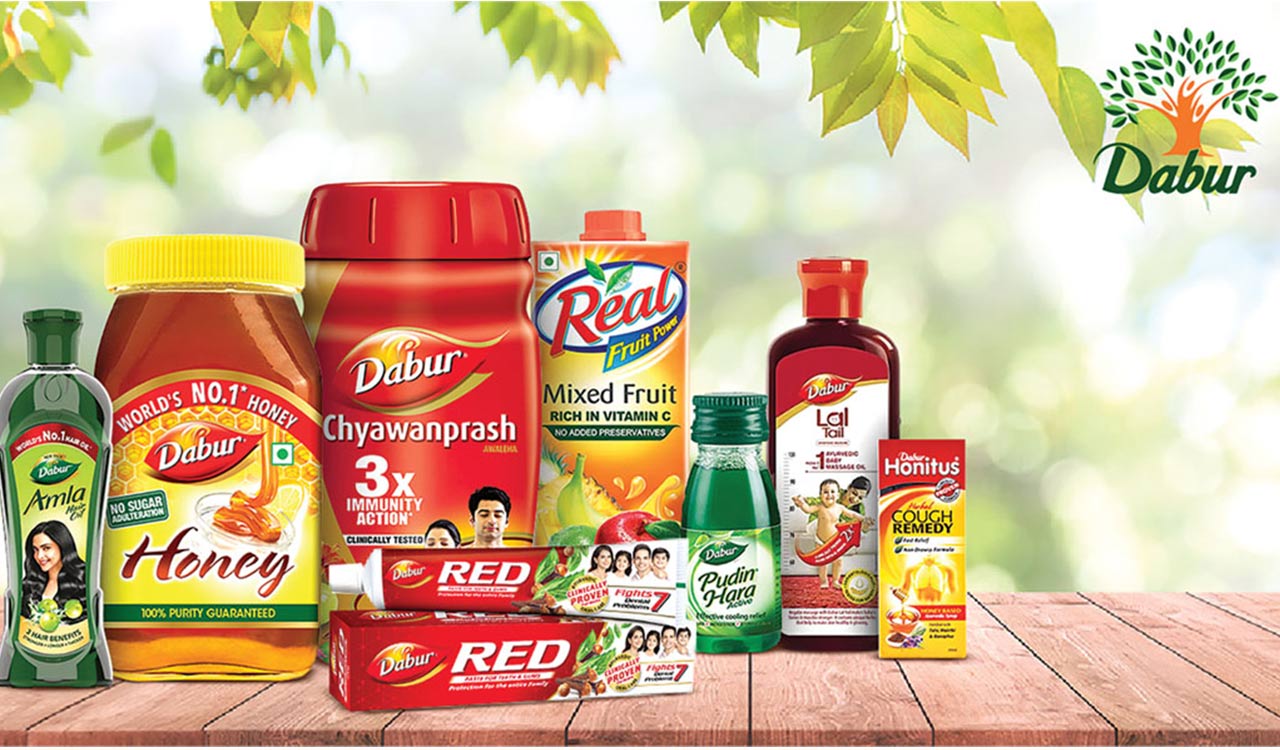
The Delhi High Court on Friday stayed an FSSAI directive prohibiting Dabur India from selling food products carrying “100 per cent” claims. The court said the order was prima facie issued without hearing Dabur, which has sold the products for decades
Published Date – 7 August 2026, 02:13 PM
New Delhi: The Delhi High Court on Friday stayed an FSSAI directive prohibiting Dabur India from selling food products such as honey, cow ghee, and edible oils with “100 per cent” claims. Justice Amit Mahajan observed that Dabur was selling the products for decades and has made out a prima facie case for relief at this stage as the FSSAI order was passed without giving it any hearing.
“The court is prima facie of the opinion that the prohibitory order ought not to have been passed without giving an opportunity of hearing. Till the next date of hearing, the impugned order is stayed,” said the judge, as it listed the case for hearing after two weeks.
Dabur’s senior counsel argued that the FSSAI order was passed in violation of principles of natural justice, in absence of any show cause notice or hearing. The Central government standing counsel defended the order, stating that Dabur was earlier given “improvement notices” and advisories, and that its “100 per cent” claim on food products was misleading.
Declining a request to not grant interim relief at this stage, the court remarked, “They have been selling it for decades. Now suddenly you can’t.” In a social media post on Monday, the Food Safety and Standards Authority of India (FSSAI) said it has issued a prohibition order to Dabur India Ltd over the sales of food products carrying misleading “100 per cent” claims, including honey, apple cider vinegar, virgin coconut oil, sesame oil, cow ghee, coconut water, coconut milk and other such items.
According to the food safety regulator, the use of the 100 per cent claims is in contravention of the FSS (Advertising & Claims) Regulations, 2018, as they are ambiguous, unverifiable and likely to mislead consumers.