The Bombay High Court ordered social media platforms to remove defamatory AI-generated deepfake content allegedly linking Union Minister Nitin Gadkari and his family to the E20 ethanol programme. Gadkari’s plea claimed the posts were fabricated and sought damages over reputational harm caused
Published Date – 5 August 2026, 01:30 PM
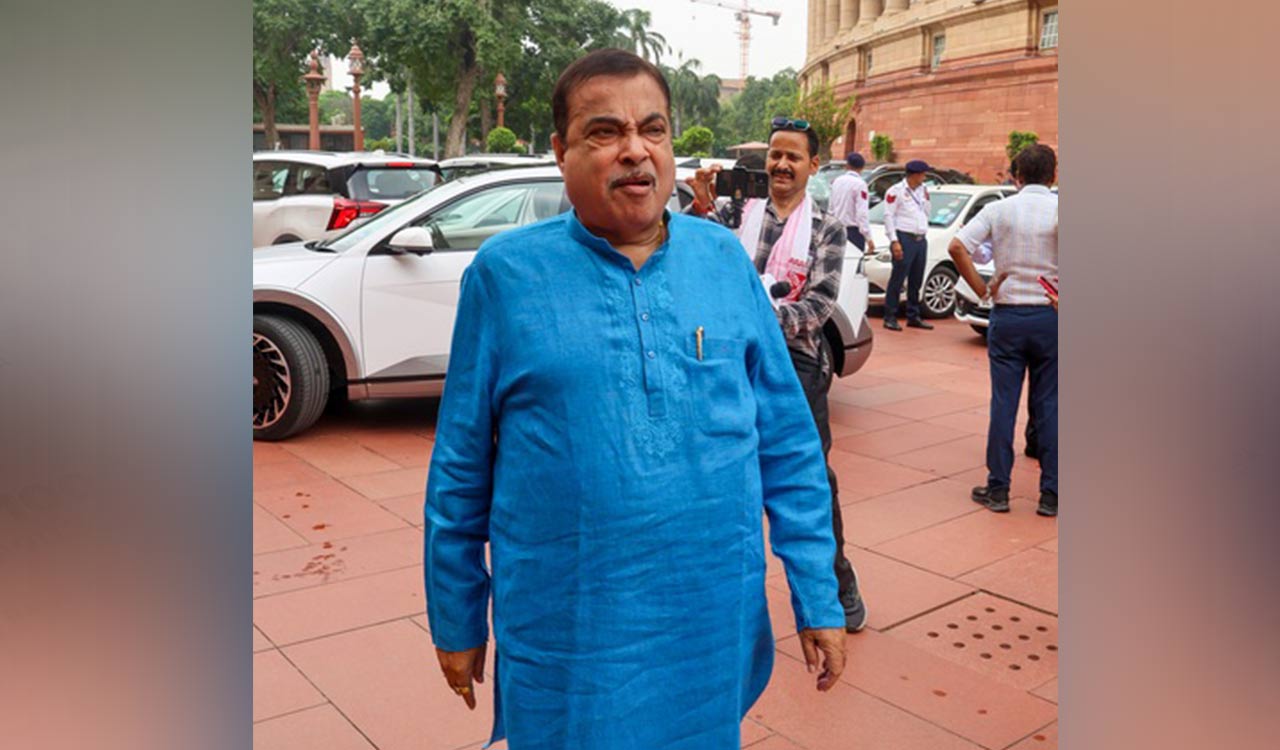
Mumbai: In a significant relief to Union Minister Nitin Gadkari, the Bombay High Court on Wednesday directed the removal of defamatory and AI-generated deepfake content circulating on social media platforms that falsely linked him and his family members to the Central government’s E20 ethanol blending programme.
The court’s order came while hearing a civil suit filed by Gadkari against major technology and social media companies, including Meta, X and Google/YouTube, along with unidentified content creators accused of publishing and disseminating the disputed material.
According to the petition, several manipulated videos, deepfakes and misleading social media posts alleged that Gadkari and his family had benefited financially from the government’s ethanol-blended fuel policy.
The Minister contended that the content was fabricated, malicious and aimed at damaging his reputation by spreading false narratives among the public. In his plea, Gadkari clarified that the Ethanol Blending Programme, including the implementation of E20 ethanol-mixed petrol, falls entirely under the jurisdiction of the Ministry of Petroleum and Natural Gas and has no connection with the ministry headed by him.
The petition argued that linking him or his family to the policy for personal gain was factually incorrect and defamatory. Seeking urgent judicial intervention, Gadkari had requested immediate removal of the objectionable content from all digital platforms.
He also sought damages of Rs 11 crore for the alleged reputational harm caused by the circulation of the false and manipulated material. The suit further highlighted the growing challenge posed by deepfake technology and misinformation on social media platforms, arguing that intermediaries have a responsibility to act promptly against demonstrably false and defamatory content.
The legal action is aimed at holding platform operators accountable for allowing the dissemination of fabricated and derogatory material, while not impeding legitimate public discourse or criticism.
The High Court’s directive marks a significant step in addressing concerns over the misuse of artificial intelligence and social media platforms to spread misinformation involving public figures.