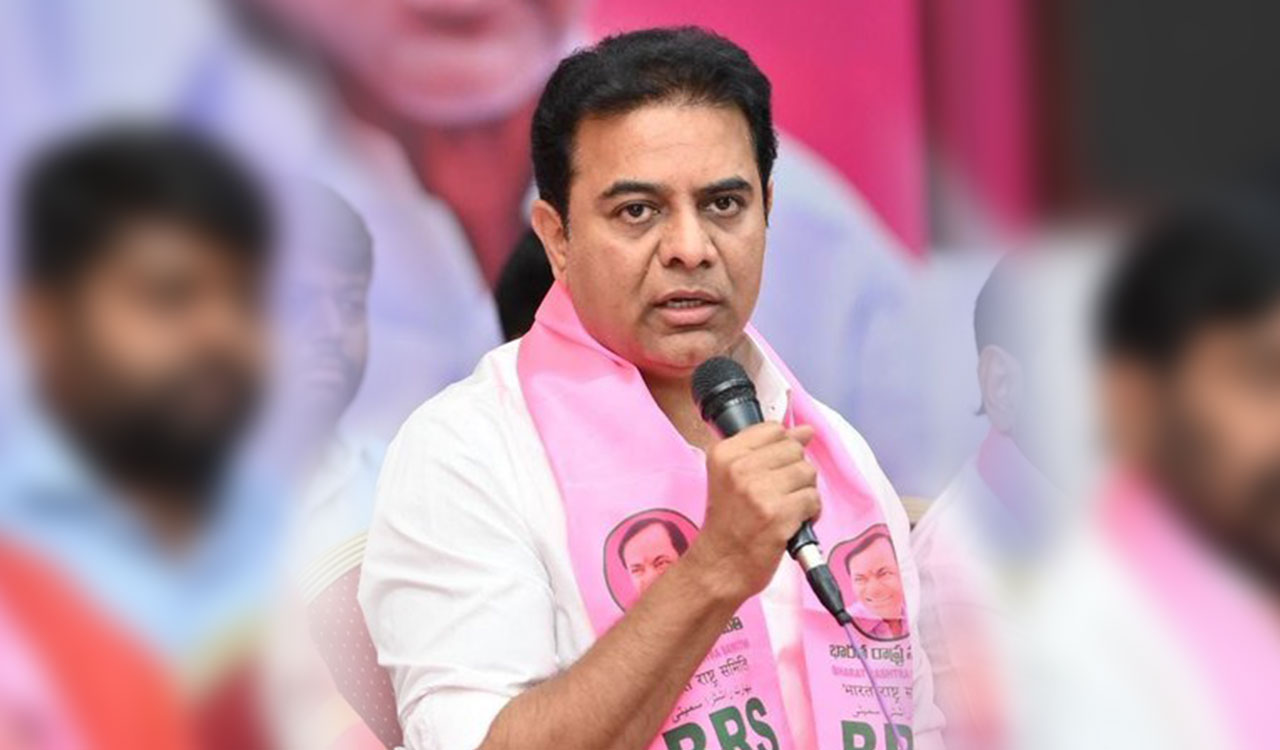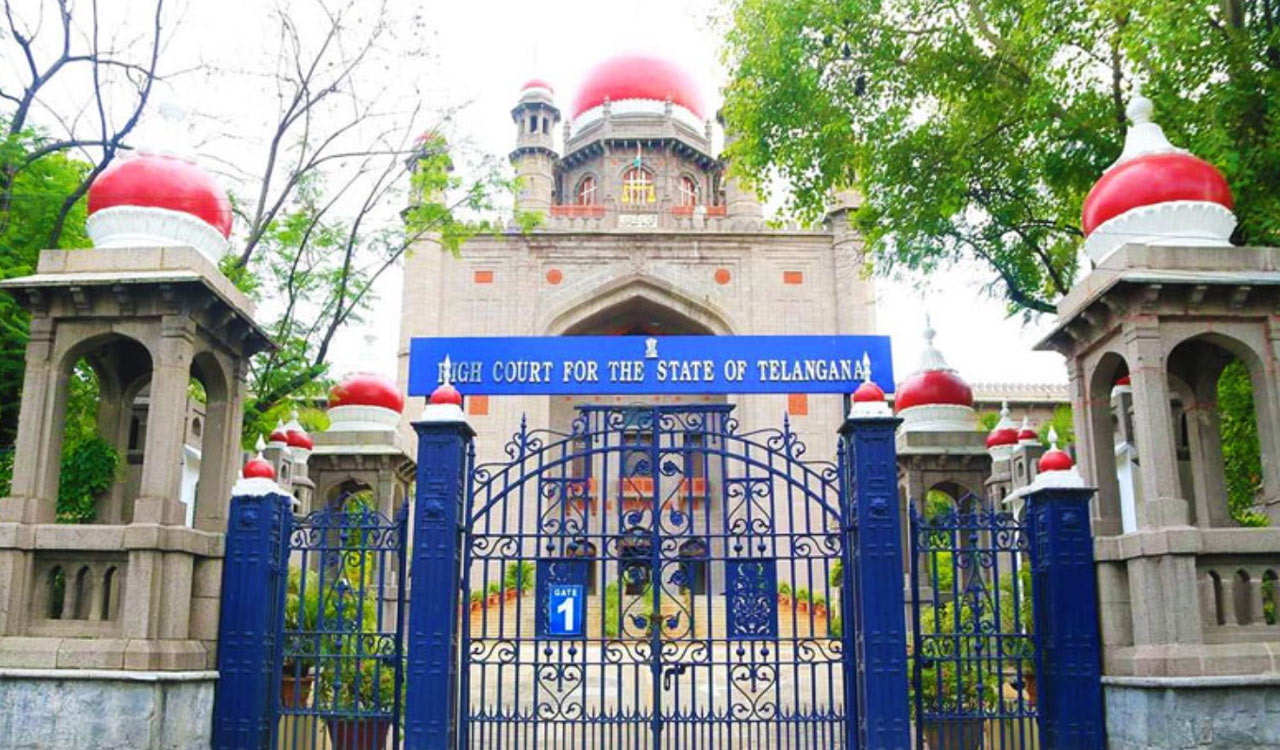
The Telangana High Court will hear a petition filed by former BRS MLA Rega Kantha Rao seeking the quashing of an FIR registered over allegations of sexual assault and criminal intimidation. The petitioner denied the allegations and termed the case false and motivated.,
Published Date – 3 August 2026, 09:37 PM
Legal Correspondent
Hyderabad: Justice BR Madhusudhan Rao of the Telangana High Court will on Tuesday hear a criminal petition filed by former BRS MLA Rega Kantha Rao seeking the quashing of an FIR registered against him by the Panjagutta Police in connection with allegations of sexual assault and criminal intimidation.
The FIR was registered on the basis of a complaint lodged by a woman associated with the media. According to the complaint, the petitioner allegedly subjected the complainant to sexual assault on multiple occasions since 2022 on the promise of providing her employment in a proposed YouTube channel. It was further alleged that the petitioner collected Rs 5 lakh from her on the assurance that the amount would be invested in a real estate venture and would fetch substantial returns.
Seeking the quashing of the FIR, Rega Kantha Rao denied all the allegations and contended that the complaint relates to alleged incidents said to have occurred nearly four years ago. The petitioner asserted that he had no connection with the allegations made against him and denied receiving Rs 5 lakh from the complainant for investment in real estate.
It was further contended that the amount referred to in the complaint had been repaid by another person, who, according to the petitioner, was unconnected with him. The petitioner also alleged that the complainant had earlier lodged a similar complaint against another individual and contended that the present criminal case was false and had been instituted with ulterior motives. On these grounds, he sought the quashing of the FIR.
Telangana HC upholds arbitration clause in HMDA-ORR dispute
Justice Moushumi Bhattacharya and Justice Gadi Praveen Kumar of the Telangana High Court have held that parties who voluntarily agree to an arbitration clause in a contract cannot subsequently invoke the writ jurisdiction of the High Court to stall arbitration proceedings, except in the rarest of exceptional circumstances.
The Bench accordingly dismissed writ petitions filed by the Hyderabad Metropolitan Development Authority (HMDA) and Hyderabad Growth Corridor Limited (HGCL) challenging notices issued by the Indian Council of Arbitration (ICA).
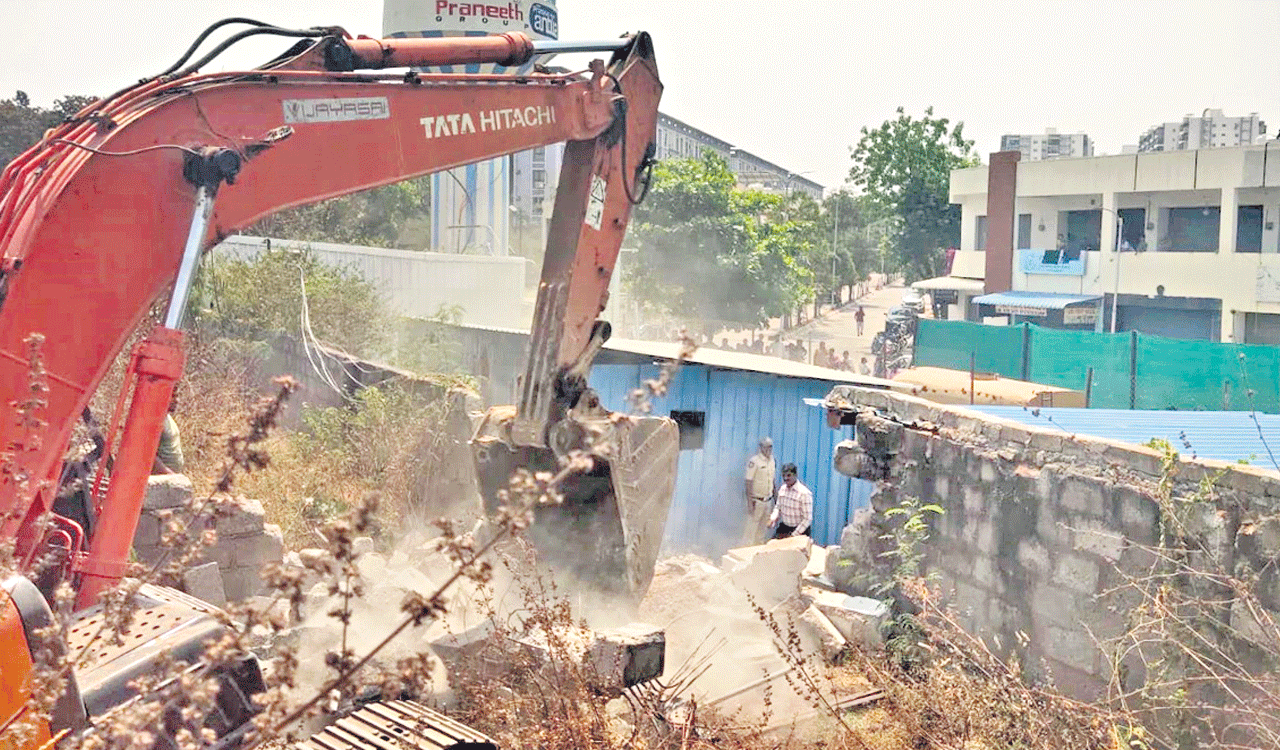
The writ petitions arose from disputes relating to the 2007 concession agreement executed between HMDA and Hyderabad Expressway Limited (HEL) for the Outer Ring Road (ORR) Build-Operate-Transfer (BOT) project.
Under Clause 39 of the agreement, the parties had agreed that disputes arising under the contract would be resolved through arbitration in accordance with the rules of the Indian Council of Arbitration.
HMDA and HGCL challenged the initiation of arbitration proceedings, contending that disputes relating to changes in the consortium’s shareholding, the insolvency process and the transfer of shares without prior approval could not be referred to arbitration.
The Indian Council of Arbitration, however, issued notices stating that all such objections could be raised before the arbitral tribunal.
After hearing both sides, the Division Bench held that the parties, having consciously agreed to resolve their disputes through arbitration, could not subsequently seek to bypass the agreed mechanism by invoking Article 226 of the Constitution.
The Court observed that issues relating to the change in shareholding, the transfer of shares and other disputes were matters to be decided by the arbitral tribunal.
Holding that the notices issued by the Indian Council of Arbitration merely initiated the arbitration process and suffered from neither lack of jurisdiction nor patent illegality, the Bench dismissed both the writ petitions, vacated the interim stay orders granted earlier, and left it open to HMDA and HGCL to raise all their objections before the arbitral tribunal.