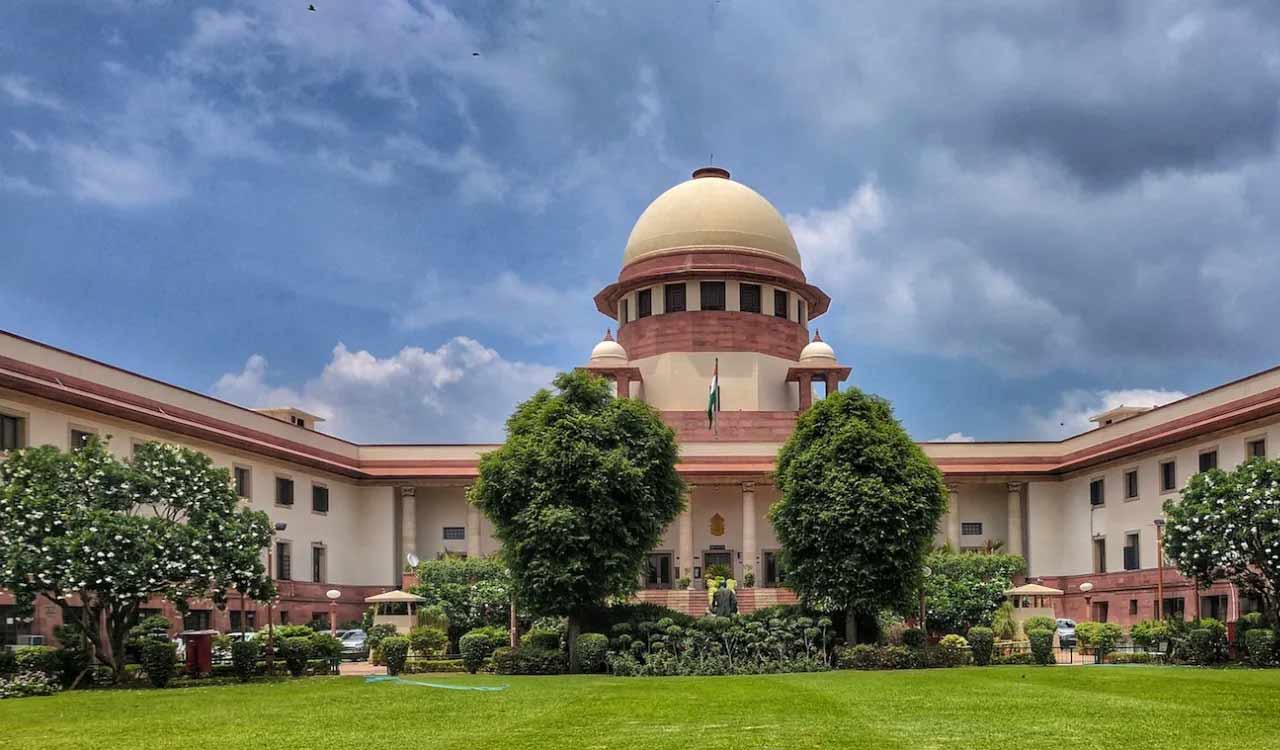
The Supreme Court granted the Centre four weeks to submit a comprehensive compliance report on implementing its January 30 judgment banning commercial stem cell therapy for Autism Spectrum Disorder outside approved clinical trials, while outlining steps taken and future implementation plans
Published Date – 30 July 2026, 06:18 PM
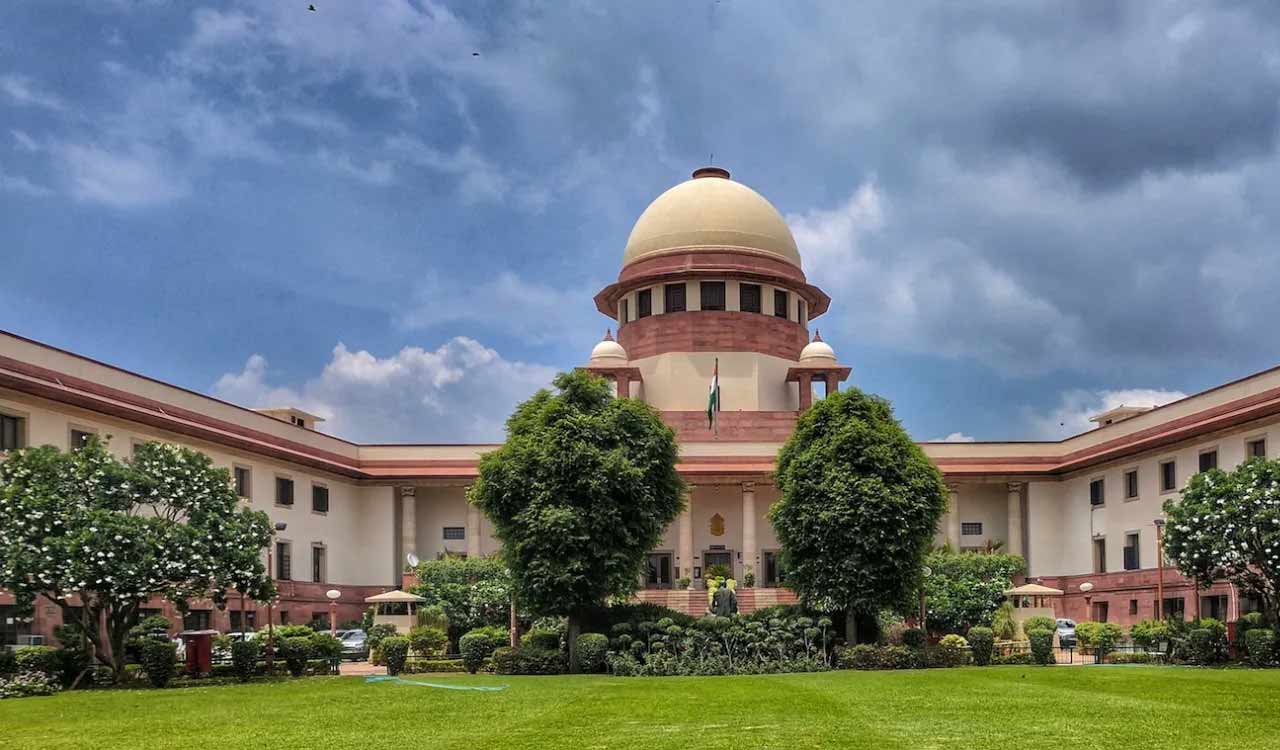
New Delhi: The Supreme Court on Thursday granted four weeks to the Centre to file a detailed status report, particularly highlighting in what manner it intends to implement the directions issued by the apex court in a matter concerning stem cell ‘therapies’ for Autism Spectrum Disorder (ASD).
In a verdict delivered on January 30, the apex court said that stem cell ‘therapies’ for ASD cannot be offered by medical practitioners as a clinical service outside an approved and monitored clinical trial or research setting.
It had said that every use of stem cells in patients outside an approved clinical trial was “unethical” and should be considered as “malpractice”. The verdict was delivered on a plea that raised concerns relating to rampant promotion, prescription and administration of stem cell ‘therapy’ for treatment of ASD by several clinics across the country.
On Thursday, the matter came up before a bench of Justices J B Pardiwala and R Mahadevan. It noted that the issue before it was regarding compliance of the directions issued by the apex court in its judgment.
The bench said a short affidavit has been filed before it on behalf of the Ministry of Health and Family Welfare. It noted that the affidavit only talks about the direction issued by the court in one of the paragraphs of the verdict.
“It is a very important issue. How much more time (do) you want to file an exhaustive compliance report?” the bench asked Additional Solicitor General Aishwarya Bhati, who was appearing for the Centre.
Bhati said three weeks be granted to file a comprehensive and detailed compliance report. “We grant four weeks’ time to the Ministry of Health and Family Welfare to file a detailed status report on all aspects of the matter, particularly highlighting in what manner the Union has looked into the judgement, in what manner it intends to implement all the directions issued and what they have done so far,” the bench said.
It posted the matter for hearing after four weeks. In its January 30 verdict, the top court had said it did not wish to leave patients who were already undergoing the therapy in any apprehension that discontinuing the same may proved to be detrimental to their well-being.
“However, at the same time, we are also sure of our decision that stem cell therapy for ASD cannot continue as a commercial endeavour in the form of routine clinical treatment,” it had said.
The apex court had directed the secretary of the Ministry of Health and Family Welfare, in consultation with the officials of AIIMS and the National Medical Council, to provide the best possible solution in this regard to ensure that such patients were able to continue receiving the therapy till the time they can be re-routed to the institutions that are conducting clinical trials.
It had said although stem cells administered for therapeutic use in ASD were characterised as “drugs” under the Drugs Act, 1940, the same by itself was not determinative of the fact that it was permissible to be administered as a clinical service.