Osmania University researchers have used DNA metabarcoding for the first time in India to study bat diets. The research found that bats in Karnataka consume thousands of insect species, including disease-carrying mosquitoes and crop pests, highlighting their vital role in biodiversity and natural pest control
Published Date – 28 July 2026, 08:12 PM
Hyderabad: Osmania University researchers have uncovered the hidden diets of bats using DNA technology for the first time in India. The findings revealed that a group of bats in Kolar, Karnataka, including one of the world’s rarest bat species, provides free pest control services by consuming thousands of insect species, including those that spread dengue and malaria and damage agricultural crops.
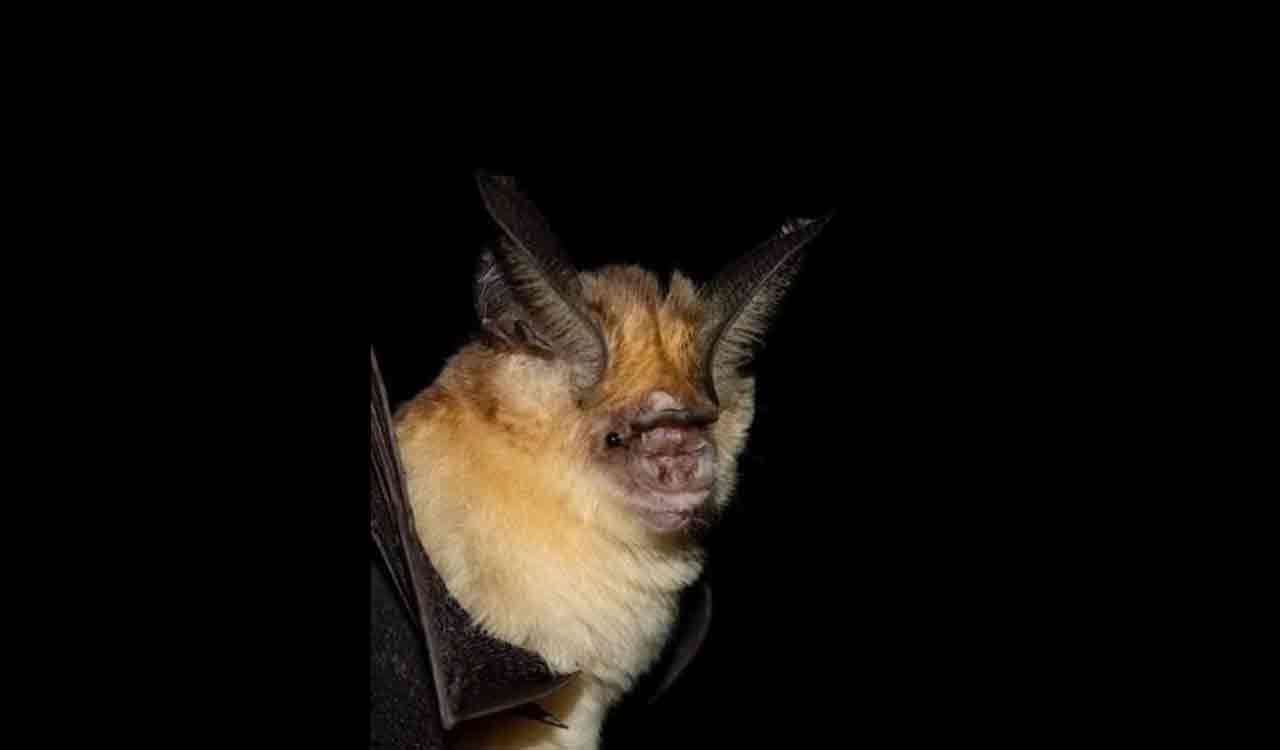
The study, published in the Journal of Threatened Taxa, focused on four species of leaf-nosed bats that share a single cave in Hanumanahalli, Kolar. This cave is the only known home in the world of the Critically Endangered Kolar Roundleaf Bat (Hipposideros hypophyllus), a species with a population of fewer than 300.
Using a cutting-edge technique called DNA metabarcoding, the team analysed the bats’ guano to identify their prey. The results are striking: a single Kolar Roundleaf Bat can consume more than 4,100 different species of insects. Its closest relatives in the cave are equally voracious, eating between 1,200 and 2,400 species each.
“Bats are often misunderstood, but they are vital for our health and food security. Our research shows that these bats are not just eating any insects; they are specifically targeting major pests. They are natural bio-controllers, protecting our crops and reducing the spread of diseases, all for free,” said Dr Bhargavi Srinivasulu, lead author of the study.
The study found that the Kolar Roundleaf Bat frequently eats disease-carrying mosquitoes that spread dengue and malaria, agricultural pests such as the tomato leaf miner moth, and cockroaches that carry bacteria and viruses.
The researchers emphasised that the bats are “diet specialists”, meaning each species prefers different insects. This specialisation allows them to coexist peacefully and control a wider variety of pests. The study also noted that the bats’ diets change with the seasons, highlighting their adaptability and importance throughout the year.
Dr Aditya Srinivasulu, co-author of the study, added, “Understanding what these bats eat is crucial for conservation. Without this knowledge, we cannot effectively protect them or the vital ecosystem services they provide. This study lays the foundation for using non-invasive genetic techniques to study biodiversity across India.”
Prof. Chelmala Srinivasulu, Head of the Wildlife Biology and Taxonomy Lab at Osmania University, said, “This is the first use of DNA metabarcoding to study bat diets in India. It proves that bats are essential for a healthy ecosystem, and their conservation must be a priority, especially for a Critically Endangered species that relies on a single cave.”