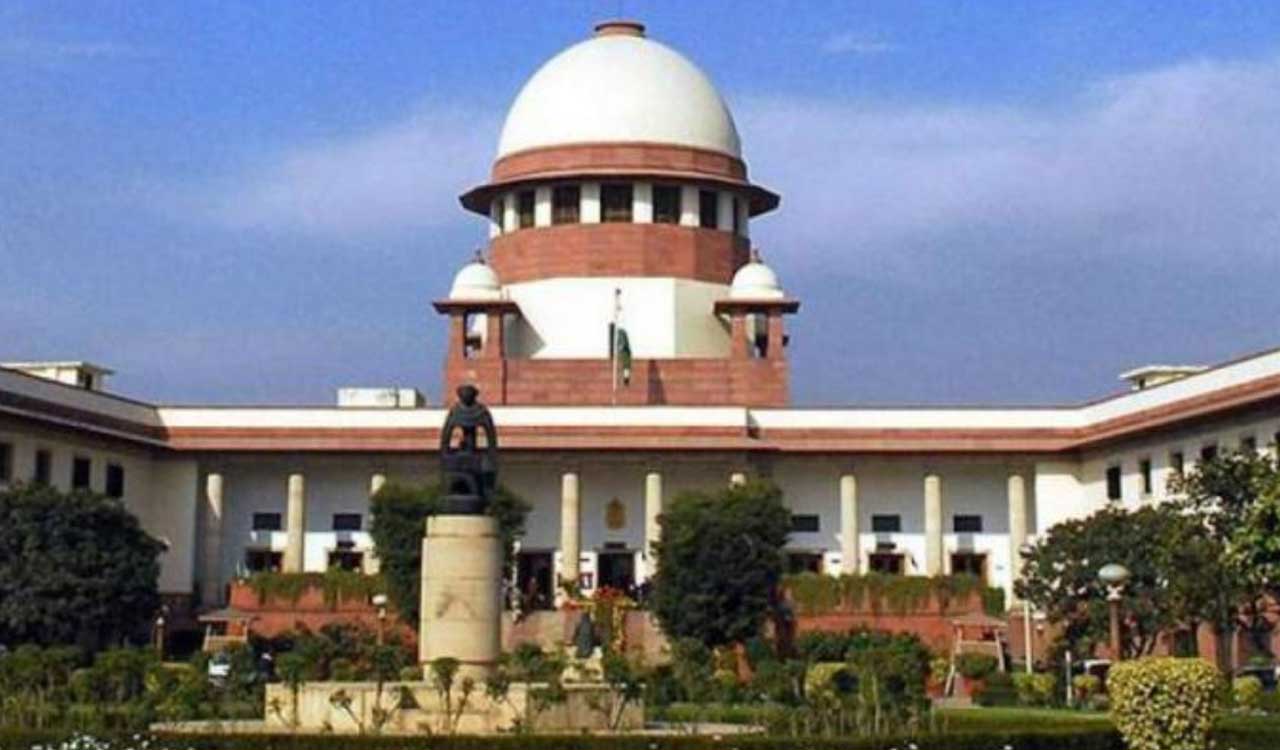
The Supreme Court ruled that the National Commission for Scheduled Castes cannot issue binding directions in service matters, stating its constitutional role is limited to advisory and recommendatory functions. The judgment came while allowing Mumbai Port Authority’s appeal against an NCSC order
Published Date – 28 July 2026, 08:40 PM
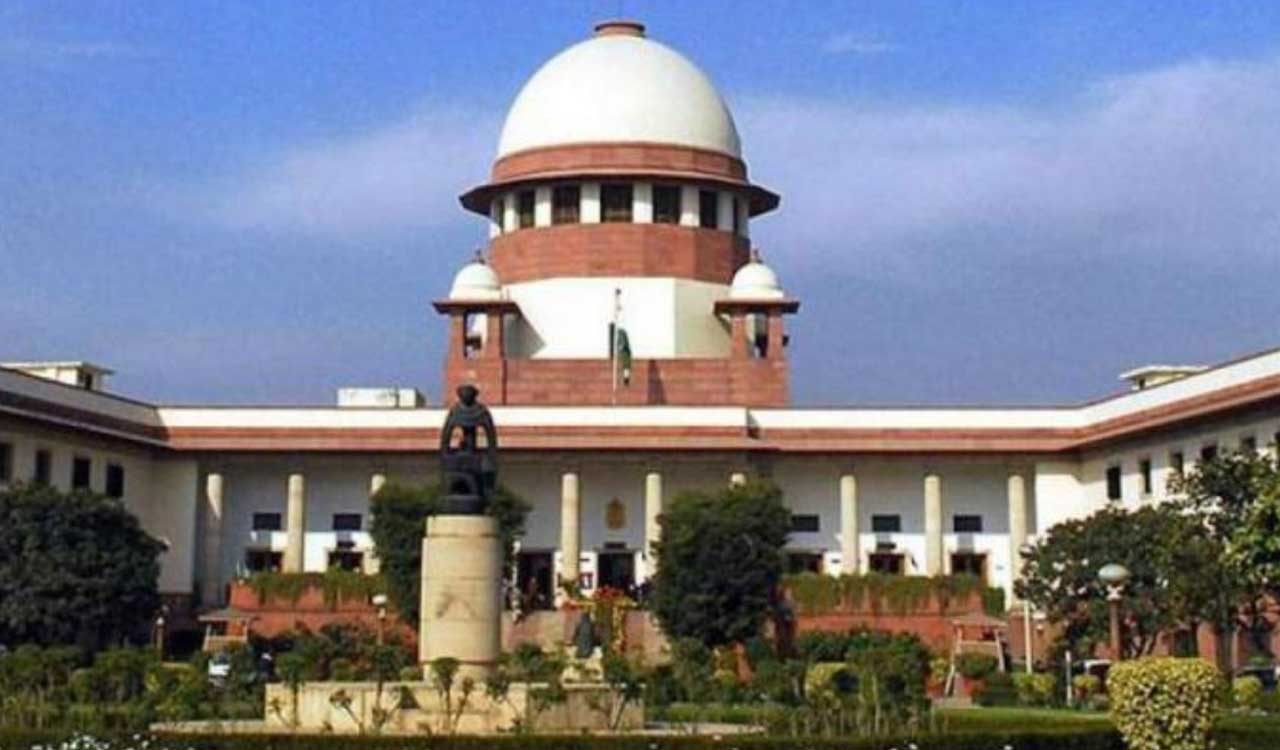
New Delhi: The Supreme Court on Tuesday held that the National Commission for Scheduled Castes (NCSC) has no adjudicatory powers to issue binding directions in service matters, saying that its role under the Constitution is recommendatory and advisory, not judicial.
The NCSC is a constitutional body established under Article 338 of the Constitution to protect the socio-economic, educational, and cultural interests of members of the Scheduled Castes against exploitation.
“The powers entrusted to NCSC are limited in nature. Clearly NCSC and its other compatriots under Articles 338A and 338B are Constitutional Bodies with a socially beneficent purpose but quite apparently, the Legislature has prescribed a role that is recommendatory and advisory, but certainly not adjudicatory. They are not meant to be bodies taking over adjudicatory functions,” a bench comprising Justices Sanjay Karol and Augustine George Masih said in a judgment.
The top court was dealing with the question whether the NCSC can pass orders in respect of service matters and if such orders are directory or mandatory is the issue in the case.
The verdict allowed an appeal filed by the Mumbai Port Authority and set aside a Bombay High Court judgment that had upheld an NCSC order directing the authority to implement promotion-related benefits and pay arrears to a Scheduled Caste employee within 30 days.
The case arose from the demotion of Madhavi K Chandorkar, an employee of the Mumbai Port Authority, following the revision of seniority lists pursuant to earlier judicial decisions concerning reservation in promotions.
Aggrieved by the demotion, Chandorkar approached the NCSC, which directed the Port Authority to adhere to reservation rules, grant promotions in accordance with reservation policy, pay arrears within 30 days, and submit an Action Taken Report to the Commission.
The Mumbai Port Authority challenged the Commission’s directions, saying that the NCSC lacked constitutional authority to issue enforceable orders in service disputes. While the Bombay High Court dismissed the challenge, the Supreme Court reversed that decision.