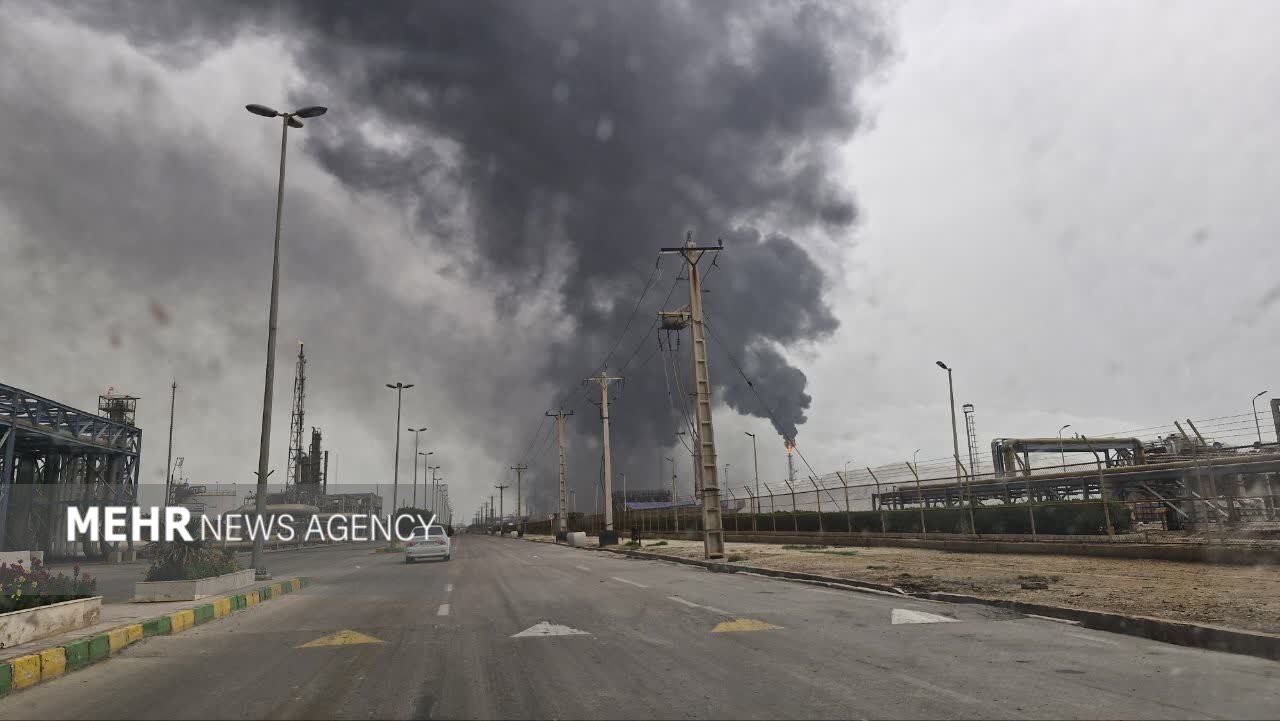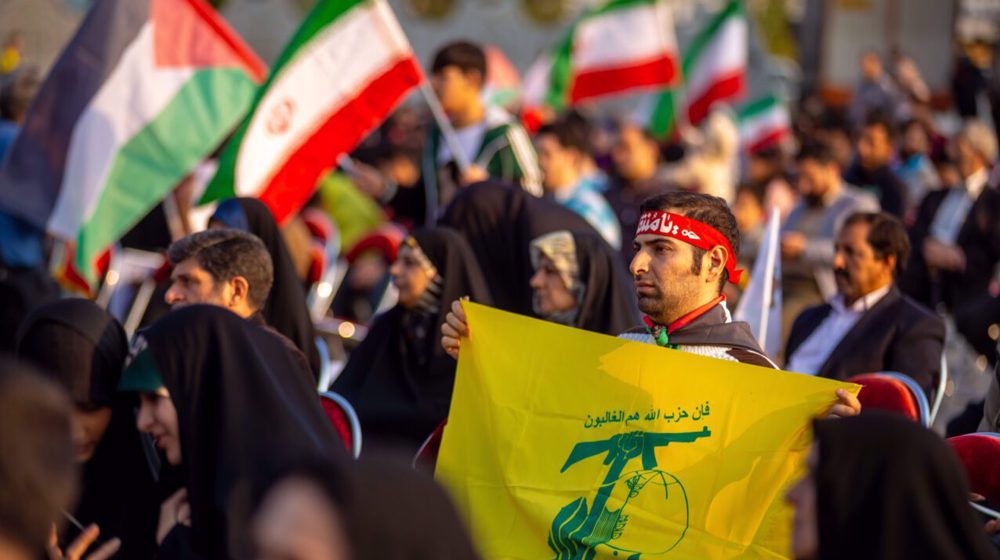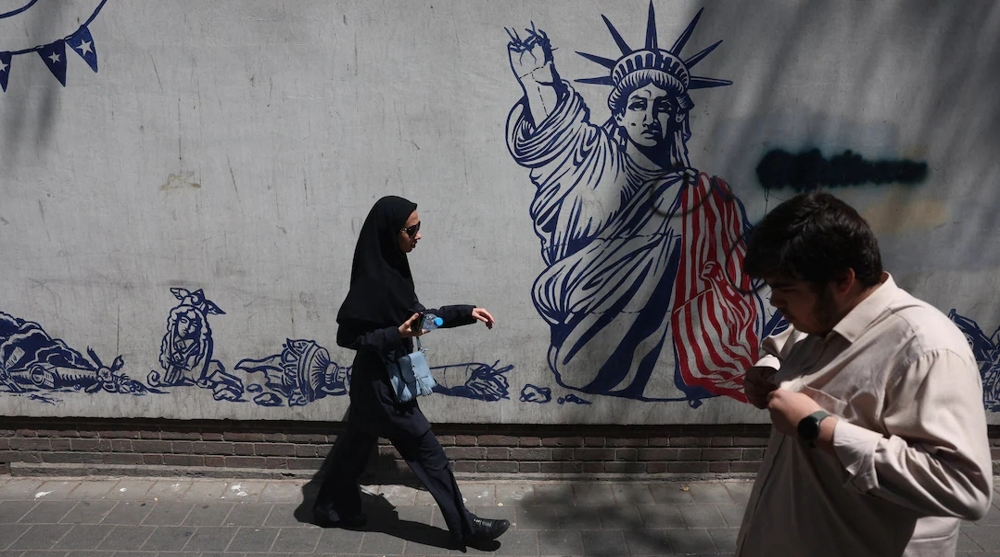
There is “little sign” that Washington’s strategy of airstrikes and military threats will succeed in forcing Tehran to make concessions, Reuters says, dismissing US President Donald Trump’s renewed military escalation against Iran.
“Most analysts agree that a major US escalation … would have little chance of being any more effective in forcing Iran to change course than earlier phases” of the war, the British news agency said on Friday.
It quoted Jonathan Panikoff, a former US deputy intelligence officer for the West Asia, as saying that there is “no reason to believe that this latest set of attacks or whatever the president has in mind will compel the Iranians to change their thinking.”
“It’s perhaps more likely to harden their position,” Panikoff added.
According to Reuters, the collapse of the memorandum reached between Tehran and Washington last month has left Trump struggling to find a strategy capable of breaking Iran’s control of the strategic Strait of Hormuz ands.
The report says the dispute is no longer limited to Iran’s nuclear program but also centers on control of the Strait of Hormuz, where Iran demonstrated during the war that it has the capability to administer the waterway and close it to its adversaries.
There is little indication Tehran is willing to make the concessions sought by Washington in this regard, Reuters added.
Iran, the news agency said, has warned it could expand the scope of the war if the United States escalates further, including by targeting civilian facilities in US-allied Persian Gulf states.
Citing three sources, Reuters said Iran has asked Yemen’s Ansarullah to be prepared to close the Bab el-Mandeb Strait should the United States strike Iran’s power infrastructure, potentially opening another front that could threaten global energy supplies.
The report also highlighted growing doubts over the effectiveness of Washington’s pressure campaign.
It cited Danny Citrinowicz, an Iran researcher at Israel’s so-called institute for security studies, as saying that “No matter how much pressure the administration applies, or how many new threats it issues, Iran’s leadership is unlikely to capitulate.”
“If President Trump continues expanding the target set, Tehran is likely to respond in kind,” Citrinowicz said.
A similar assessment was offered by Pulitzer Prize-winning journalist and former New York Times Middle East Bureau Chief Chris Hedges.
Washington’s war against Iran has “ended in a humiliating defeat for the United States” and instead accelerated “a dramatic shift” in the balance of power in West Asia and the Global South, he wrote in an article.
“The end of the US Empire, led by an impetuous and clueless Donald Trump, is irreversible,” Hedges added.
🔺 Several US tankers and fighter jets were destroyed, while several others sustained heavy damage in the strikes.
— Press TV 🔻 (@PressTV) July 17, 2026
Hedges also dismissed the effectiveness of further military escalation, saying, “A renewed bombing of Iran will not work,” adding that Iran’s “mosaic defense strategy ensures all political and military commanders are easily replaced.”
He said that Iran “holds the cards” over global energy markets. “Iran can strangle the world economy by closing the Strait of Hormuz.”
Drawing a historical parallel, Hedges described the war as “Washington’s Suez Crisis,” explaining that while it may not mark the immediate end of American global dominance, “it is the beginning of the end.”