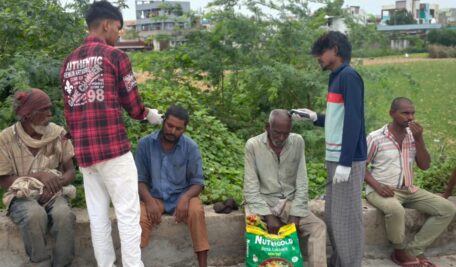
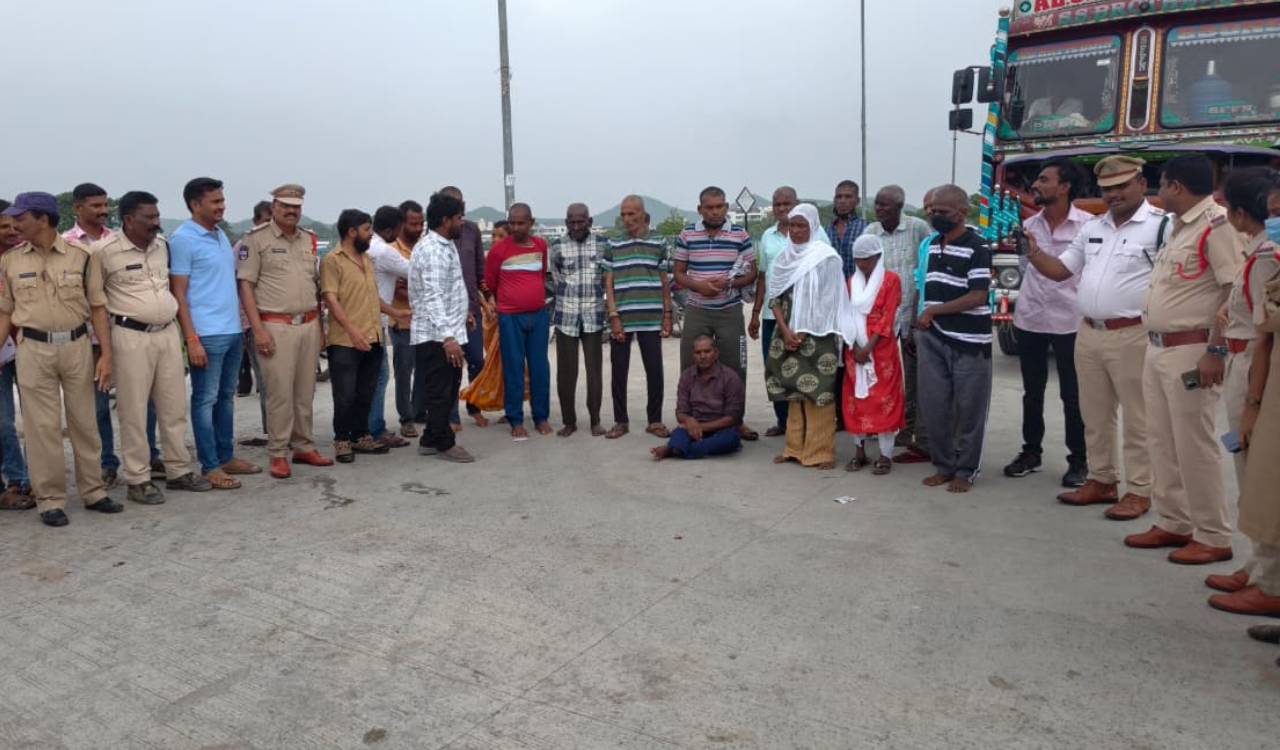
The Jagtial police have initiated a humanitarian drive to rescue and rehabilitate mentally ill and destitute individuals found wandering in public places. In the latest effort, 12 persons, including two women, were identified and provided medical care before being shifted to shelter homes.
Published Date – 17 July 2026, 09:08 PM
Hyderabad: At a time when many mentally unstable and destitute individuals are abandoned or forgotten even by their own families and ignored by society they live in, the Jagtial police have been quietly carrying out a special humanitarian drive to identify, rescue and rehabilitate such people found wandering in public places across the district.
As part of the drive on Friday, police teams identified 12 persons including two women who were unable to care for themselves, lacked family support or inadvertently pose risks to public safety and traffic.
The rescued individuals are provided immediate medical assistance and undergo health evaluations at government hospitals before being shifted to authorised shelter homes and rehabilitation centres.
“We also make efforts to trace the families of the rescued persons through counselling and verification, enabling many of them to be reunited with their relatives in the future,” said Purushottam Reddy, DSP Jagtial.
Police authorities say apart from looking at it from the human and social aspects, there is a possibility that such vulnerable persons may end up in some criminal activity or become victims of crimes.
“Our prime concern has been women’s safety. Women in such mental condition could become a victim of various crimes,” the DSP added.
Exercise for the special drive started nearly three weeks ago, with the police authorities keenly observing people wandering on the roads and collecting their data.
“We have been observing them and they truly were in a vulnerable condition. There were high chances of them being run over by vehicles. They have no guardians or contacts. Most of them were unable to recall their names too,” said Ashok Kumar, SP Jagtial.
The initiative is being conducted periodically in coordination with NGOs, government hospitals, the District Legal Services Authority and local welfare homes to ensure vulnerable individuals receive proper care and protection.