The German government is faced with many economic wounds and the government of Friedrich Merz struggles to close them.
The current heat wave is not the only cause of massive headaches for the population, since the self-imposed sanctions of the EU against Russia, because of the war in Ukraine and the repeated closure of the Strait of Hormuz, the German economy is in deep recession.
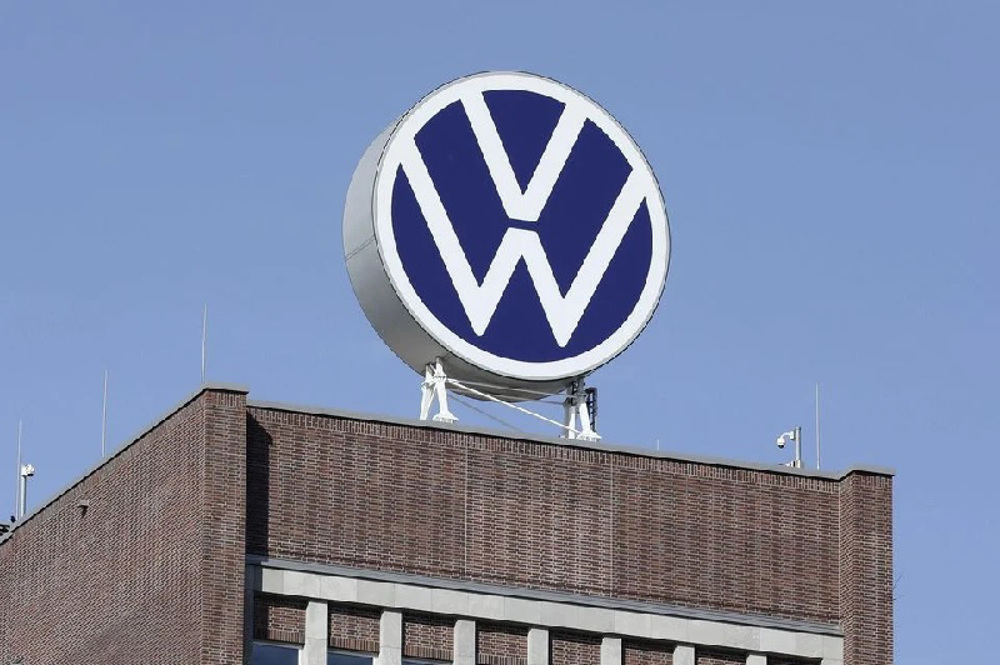
The closure of the VW plants and the dismissal of 100,000 workers is a declaration of the government’s bankruptcy.
Money for rearmament is available, but the major challenge is securing jobs.
When it comes to rebuilding Germany economically, a necessary first step would be to lift the sanctions against Russia in order to once again obtain affordable energy from Russia.
Viktor Kosan, BSW-Youth, Vice Chairperson
On Friday, Volkswagen, Germany’s leading car manufacturer, announced it was closing the plants at Hanover, Emden, Zwickau and Audi’s Neckarsulm site.
In absolute terms, laying off 100,000 people, which would be the largest restructuring in automotive industry history.
Leading industry associations are expressing concern that since the end of World War II, Germany’s competitive position in the global economy has never been more precarious.
The German economy, as we know, is not doing well. Gone are the days when it was Europe’s powerhouse. How do you explain such a rapid decline?
Javier Arguedas, Deutsche Welle
Well, Germany’s economy has been stagnating for the last few years. There’s maybe some tepid growth last year of 0.2 percent, but that’s hardly anything.
Vendeline Von Bredow, The Economist
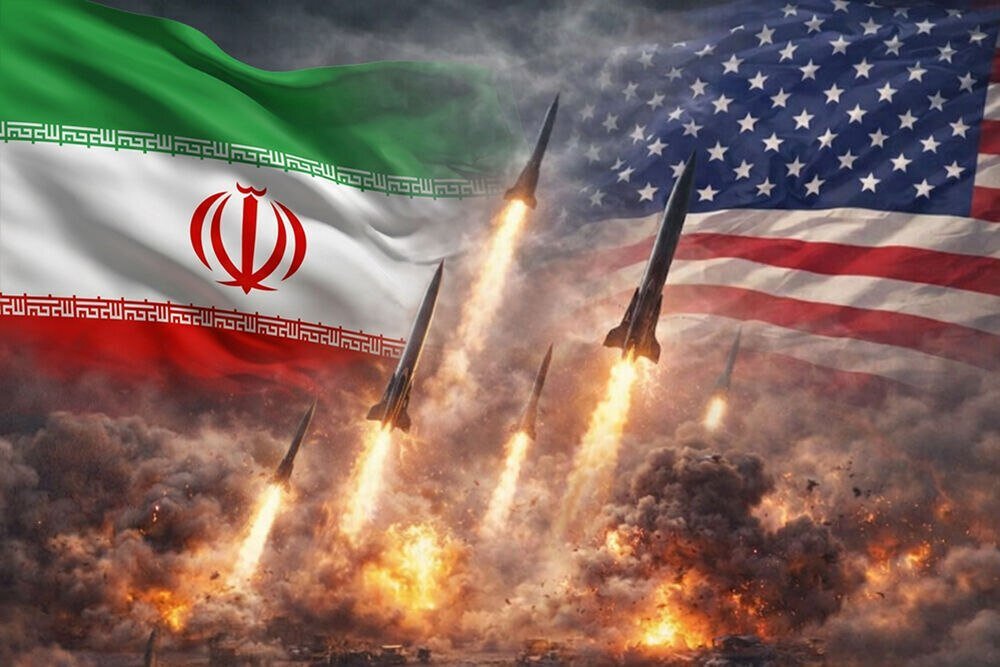
The automobile industry crisis is a symptom of the crumbling German economy. The US-Israeli aggression against Iran has further dashed hopes for economic growth. Germany’s pension and healthcare systems are also feeling the strain.
The German capitalist class also is prioritizing wars with other countries, including Russia, and also in the Middle East, and also taking very aggressive stances towards China.
With these priorities, definitely the German economy is suffering greatly, and as a result, what we are seeing is, on the one hand, the burden and the exploitation of the workers here intensifying.
Member of Public 01
The economic situation has been dire for years.
Both the steel and automotive industries, the most important sectors of the German economy, have completely collapsed.
The German working class is now bearing the brunt of the consequences.
Member of Public 02
The German government’s draft budget for 2027, announced last week, includes more money for the military and less for everything else, while debt continues to grow rapidly.
As Germany’s economy declines and its political power and diplomatic influence fades, Germany’s foreign policy becomes more aggressive.
This is not what voters want.
New polls show that only 18% of Germans are satisfied with the performance of Chancellor Friedrich Merz.