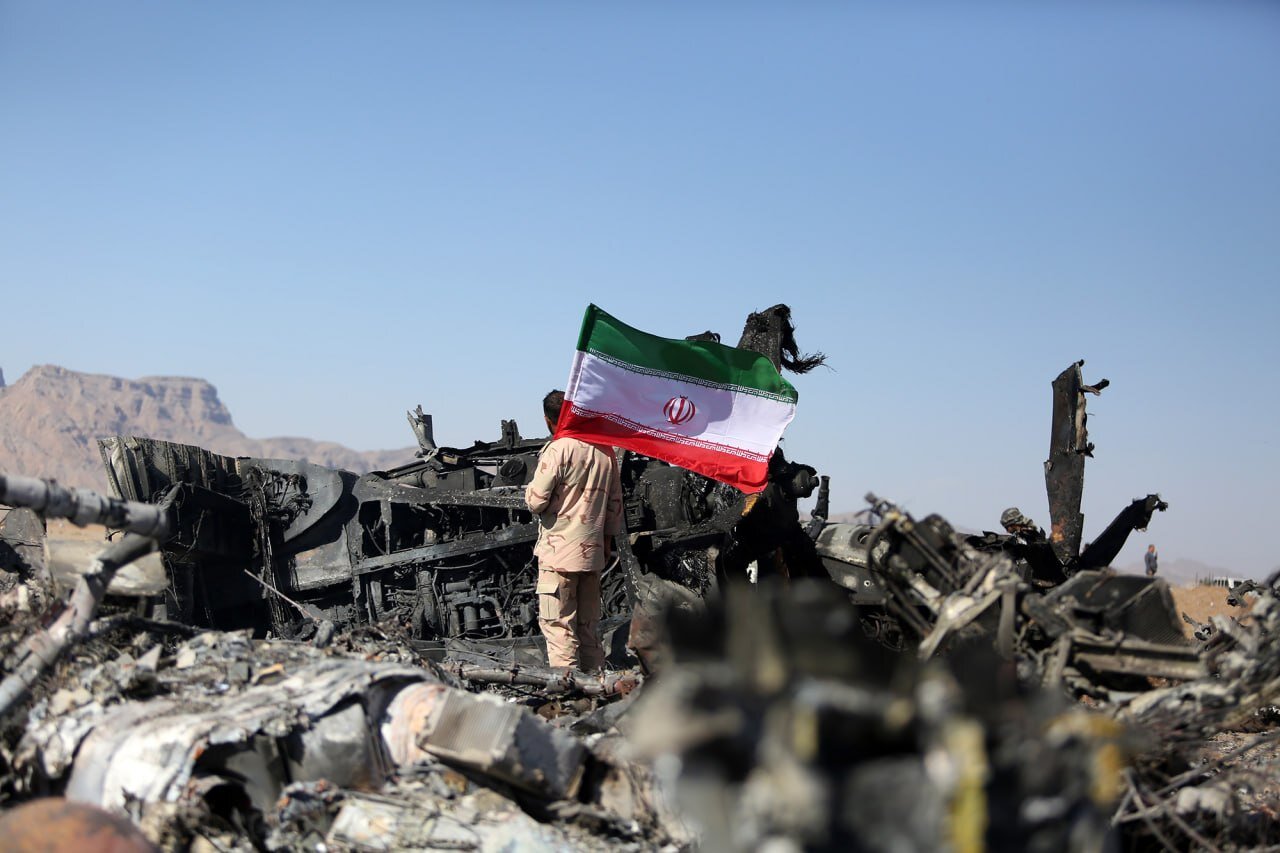
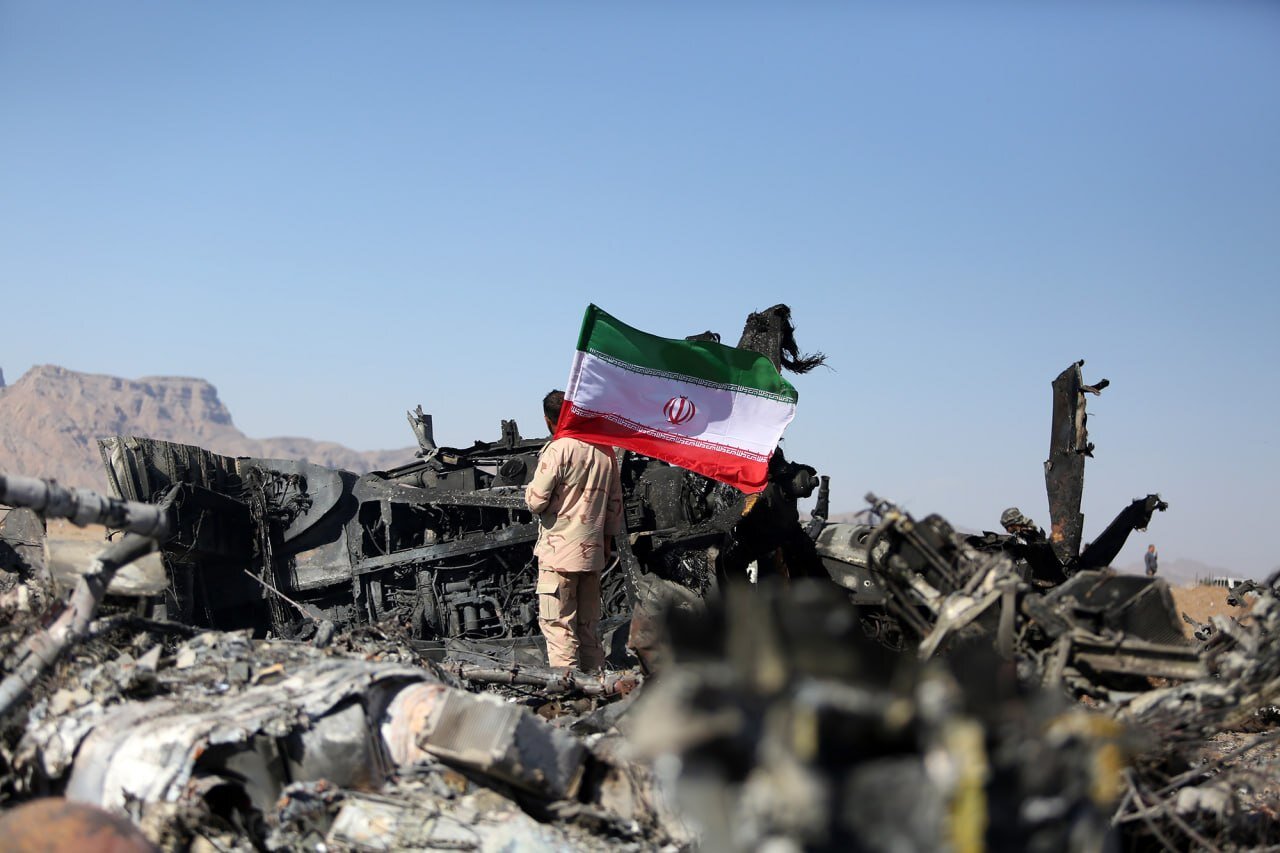
The recent war waged by the United States and Israel against Iran, which began in February 2026, not only failed to achieve its stated objectives but also fundamentally transformed the security order of the West Asian region. Contrary to the expectations of the war’s architects, who had banked on Arab countries moving closer to Israel and consolidating a regional consensus against Tehran, the results on the ground and diplomatic developments indicate the strategic failure of the policy of containing and isolating Iran. The Persian Gulf littoral states not only did not draw closer to Israel, but they reached the conclusion that sustainable security cannot be attained through confrontation with Iran, and they are now on a path toward designing a new security architecture based on coexistence and the management of competition.
The Strategic Failure of Containing and Isolating Iran
The policy of containing and isolating Iran, pursued by the United States for decades, was designed to weaken the Islamic Republic through economic, military, and diplomatic pressure. However, not only did this policy fail to bring about the collapse or behavioral change of Iran, but it also fueled numerous crises in the region. The recent war and the developments leading to it demonstrated that the containment policy based on an alliance with Israel and overshadowing the interests of Arab countries has been a manifest failure.
The recent war, designed to destroy Iran’s nuclear program and missile capability, in practice produced reverse results. Iran not only consolidated its effective control over the Strait of Hormuz, but also managed, as a decisive regional power, to shift the balance of power in its favor. In fact, the warmongers failed in all four of their declared objectives: the complete dismantlement of the nuclear program, halting support for the Axis of Resistance, the destruction of ballistic missiles, and regime change.
The Strategic Divergence of Arab Countries from US and Israeli Policies
One of the most important consequences of the recent war has been the shift in Arab countries’ attitudes toward the alliance with Israel and the United States. Arab countries have concluded that aligning with Israel’s warmongering policies not only does not provide them with security, but also exposes them to direct Iranian attacks. Qatar, which came under Iranian missile attacks during the war, has, as an active mediator, emphasized the creation of an inclusive security framework in the region in which Iran also has a defined place.
Arab countries have come to understand that the “Abraham axis,” based on normalization with Israel, instead of creating security, has turned them into targets for attacks. This new understanding, especially in Saudi Arabia and the United Arab Emirates, which have suffered the most from regional instability, has led to the formation of an approach independent of Washington. Saudi Arabia, which had previously sought a defense pact with the United States and normalization with Israel, has now emerged as the driving force behind a new security architecture in the region.
Transition from Confrontation to Coexistence and the Management of Competition
The failure of the policy of isolating Iran has pushed the region toward a new model of security order, one that emphasizes the “management of competition and coexistence” rather than “containment.” During a visit to Baghdad, Iran’s Foreign Minister explicitly stressed the necessity of creating a new security mechanism based on cooperation among regional countries, stating that “only when Middle Eastern countries directly take responsibility for their own security can the foundations of long-term stability be formed.” This stance, previously articulated by the Iranian president during a visit to Pakistan, demonstrates Tehran’s determination to play a role in the new security order.
The shift in Arab countries’ approach can be observed in three main areas:
1. Multilateral Diplomacy: Qatar and Oman, as key players, have placed mediation to reduce tensions on their agenda and are trying, through new initiatives, to replace confrontation with a space for dialogue.
2. Economic Partnership: Arab countries have concluded that economic interdependence with Iran is a more effective tool for ensuring security than military confrontation. Joint energy and transit projects can lay the groundwork for sustainable confidence-building.
3. Strategic Independence: The United Arab Emirates and Saudi Arabia are seeking to diversify their security partners and no longer rely entirely on the US security umbrella. These countries have realized that sole reliance on extra-regional powers exposes them to decisions that are not necessarily aligned with their national interests.
Prospects of the New Security Architecture
With the institutionalization of Iran’s regional authority and the acceptance of the fact that sustainable security is not attained through confrontation, the process of regional dialogue and efforts to create inclusive security mechanisms will gain further momentum. The balance of power in West Asia is transitioning from “containment” to the “management of competition and coexistence”—a model in which Iran is accepted by all parties as a decisive regional power and plays a constructive role in the security equation.
However, this new architecture also faces challenges:
First, Arab countries have not yet reached a full consensus on how to engage with Iran. The United Arab Emirates, which has experienced the most attacks from Iran, adopts a more cautious approach, closer to the United States and Israel, while Oman has taken a clearly more conciliatory path. Nevertheless, the overall trend is moving toward convergence and the creation of inclusive security frameworks.
Second, the challenge of institutionalizing trust between Iran and Arab countries. Given decades of hostility and mutual mistrust, creating transparent and verifiable mechanisms for implementing security commitments will be time-consuming and requires strong political will from all sides.
Third, the role of extra-regional powers, especially the United States and China, in this new architecture remains uncertain. While Washington tends to maintain its traditional role as the guarantor of regional security, Beijing is also seeking to expand its economic and political influence in the region. How regional countries interact with these two great powers will have a direct impact on the success or failure of the new security order.
Conclusion
The war waged by Israel and the United States against Iran, instead of weakening the Islamic Republic and consolidating the regional coalition against it, led to the strategic failure of the policy of containing and isolating Iran. This development has paved the way for the formation of a new security order in West Asia, one that will be based on geopolitical realities and centered on regional cooperation and the management of competition. Arab countries, led by Saudi Arabia and Qatar, have now reached the conclusion that sustainable security cannot be achieved through confrontation with Iran and that the best path is to include Tehran in an inclusive regional security architecture.
This paradigm shift, which has also been welcomed by Tehran, could herald a new era in regional relations where, instead of previous bipolarities, we witness an order founded on coexistence, dialogue, and cooperation for collective security. However, the success of this new order depends on the genuine will of all regional actors to abandon zero-sum approaches and embrace a win-win logic in their mutual relations. Time will tell whether the countries of the region can seize this historic opportunity to create a just and sustainable order, or whether, once again under the influence of external powers’ interests, this window of opportunity will be lost.
MNA