Expanding medical colleges must never compromise training quality; Dr B C Roy’s legacy reminds us that excellence demands rigorous education, ethical practice, and uncompromising standards
Published Date – 1 July 2026, 10:00 AM
By Dr Kattamreddy Ananth Rupesh
Every year, India celebrates National Doctors’ Day on July 1 in honour of Dr Bidhan Chandra Roy, one of the country’s greatest physicians, educators, and statesmen. His birth anniversary and death anniversary both fall on July 1, making the day a fitting tribute to a life dedicated entirely to medicine and public service. Dr BC Roy exemplified the ideals of compassion, professional excellence, and selfless service—values that continue to inspire generations of doctors.
Indian tradition has long held physicians in the highest regard. The ancient concept of ‘Vaidyo Narayano Hari’ reflects the belief that a physician is next only to God, for they restore health and preserve life. Even in today’s era of artificial intelligence, robotic surgery, and precision medicine, the essence of this philosophy remains unchanged.
Whether it is reopening a blocked coronary artery during a life-threatening heart attack, performing emergency surgery, or making a timely diagnosis that saves a patient, doctors leave an indelible mark on countless lives. Their contributions endure far beyond hospital walls through the lives they save and the families they restore.
Unresolved Challenges
The extraordinary commitment displayed by the medical fraternity in both the public and private sectors during the Covid-19 pandemic earned well-deserved recognition globally. Doctors, nurses, and healthcare workers stood at the forefront despite enormous personal risk. However, once the applause faded, many of the longstanding challenges confronting the profession remained unresolved.
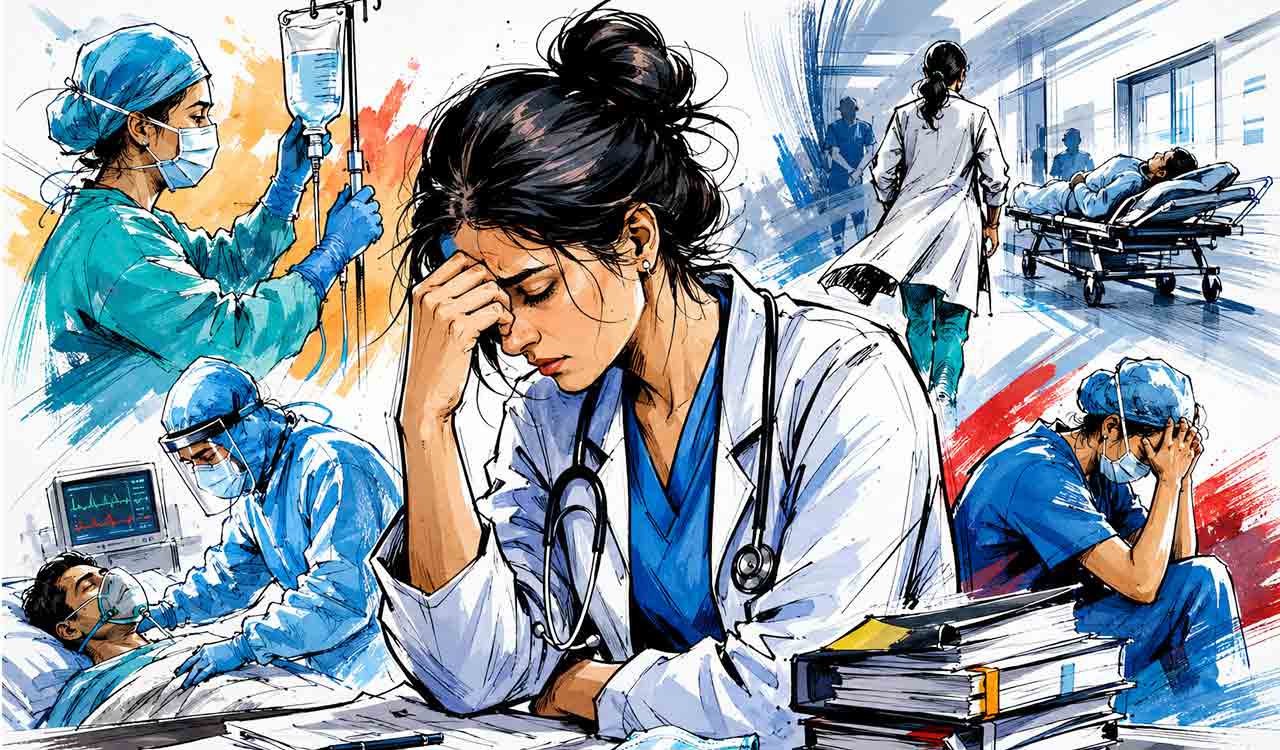
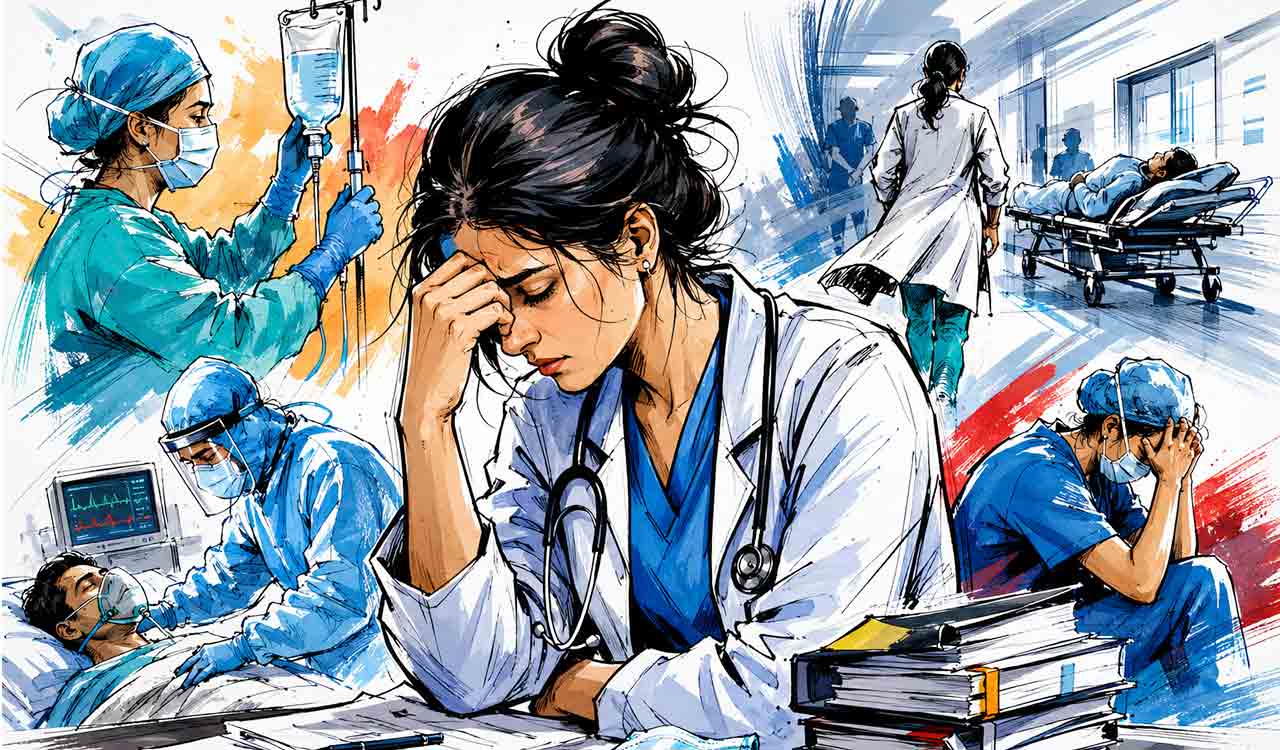
Perhaps the most pressing concern today is the health of doctors themselves. Young medical professionals work exceptionally long hours under immense physical and emotional stress. The journey from medical school to independent practice is significantly longer and more demanding than in most other professions.
Constant examinations, residency pressures, demanding work schedules, and the race to establish a career contribute to alarmingly high rates of burnout, anxiety, depression, and other mental health issues among doctors. Caring for those who care for society must become a national priority, and there is a strong need for both professional and public discourse in this arena.
The practice of medicine has also become increasingly competitive. The era of the family physician and small independent clinics is gradually giving way to large corporate healthcare chains. Many practitioners find themselves compelled to invest heavily in branding and social media simply to remain visible. With increasing corporate consolidation and rising foreign investment in healthcare, individual practitioners often struggle to sustain independent practice. Whether the traditional family physician model will eventually regain its place in our society remains uncertain.
Disturbing Realities
Alongside these professional pressures are disturbing realities such as violence against doctors, fear of medicolegal cases, and the growing number of physicians who lose their lives prematurely due to chronic stress, overwork, and occupational hazards. Rather than viewing these losses as inevitable sacrifices, they should be recognised as systemic failures that demand urgent attention.
A profession dedicated to preserving life should not routinely compromise the well-being of those who practise it. Addressing these challenges requires stronger legal protection against violence, accessible mental health support, and safer working conditions for healthcare professionals.
This Doctors’ Day should also prompt introspection about the future of medical education. The rapid expansion of medical colleges has undoubtedly increased opportunities, but concerns regarding uniform standards of training cannot be ignored. If India aspires to become a global supplier of healthcare professionals, quantity must never come at the cost of quality. The legacy of great physician-teachers such as Dr BC Roy reminds us that excellence in medical education is built on rigorous training, ethical practice, and uncompromising standards.
Healthcare itself is undergoing a profound transformation. Preventive medicine, digital health, telemedicine, and artificial intelligence are reshaping clinical practice. Tomorrow’s doctors will require not only sound clinical knowledge but also the ability to integrate technology while preserving empathy and ethical judgment. AI should enhance clinical decision-making, not replace the human connection that defines the doctor-patient relationship.
Residency training also requires a critical reform. Excessive workloads, hierarchical work environments, and toxic training cultures continue to discourage many young doctors. Medical training should be demanding because lives depend upon competence, but it need not come at the cost of dignity, mental health, or personal well-being. A healthier learning environment will eventually produce better doctors.
Financial realities further complicate independent medical practice. Establishing a clinic or speciality practice today often requires expensive imported equipment, substantial loans, and years of financial commitment. Heavy capital investment and recurring EMIs add another layer of stress to an already demanding profession. Government initiatives supporting healthcare innovation and medical startups are encouraging, but broader policy measures are needed to strengthen indigenous medical technology, reduce dependence on imports, and make quality healthcare more sustainable.
Professional Bodies
Equally important is the role of professional medical bodies. Strong professional organisations are expected to uphold ethical standards, represent practitioners, advocate for reforms, and protect the welfare of doctors. Unfortunately, many State medical councils remain largely ineffective in fulfilling these responsibilities.
Compared with other speciality professional bodies that actively engage in policy discussions and member welfare, several medical councils have become largely administrative rather than representative institutions. Revitalising these organisations is essential if they are to meaningfully contribute to the profession and public health.
Medicine remains one of humanity’s noblest professions. Yet, the next generation of doctors faces challenges unlike any before them—rapid technological disruption, changing patient expectations, intense competition, financial pressures, and evolving healthcare systems. Addressing these issues requires collaboration between governments, regulatory authorities, professional bodies, healthcare institutions, and the medical community itself.
As India celebrates National Doctors’ Day, let us not only honour the remarkable contributions of doctors but also commit ourselves to creating a healthcare ecosystem where those who dedicate their lives to healing others can themselves thrive with dignity, safety, and professional fulfilment.
(The author is Associate Professor of Forensic Medicine, Siddhartha Medical College, Vijayawada)