The US and Israeli war of aggression against Iran had vast media coverage in various countries of the region, especially the Republic of Armenia.
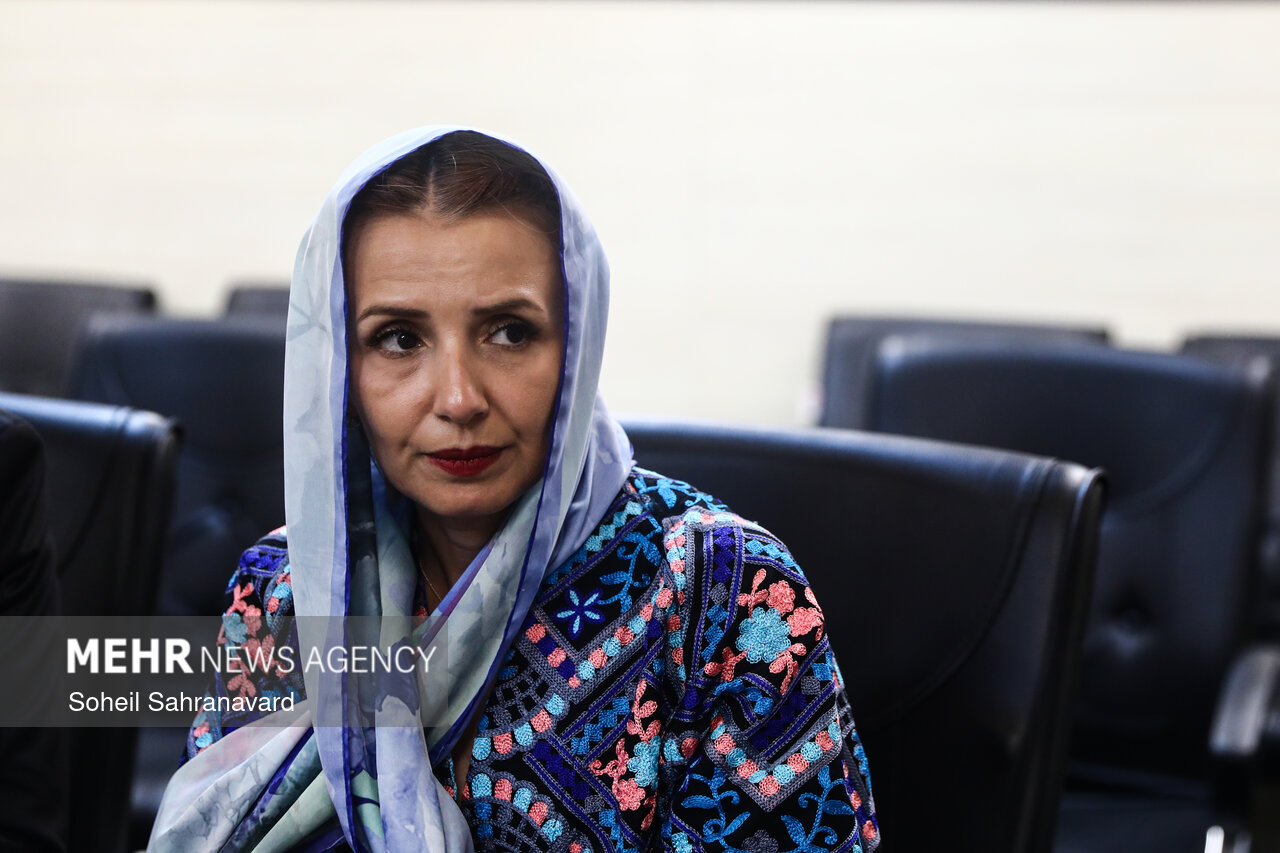
To learn more about the details, our correspondent conducted an interview with Tsovinar Barkhudaryan a prominent Armenian journalist in TV Channel 5 and a broadcaster from Artsakh.
She shed light on the views of Armenian public opinion and media outlets on the war of aggression imposed by the United States and Israel against Iran, its consequences, and the future of the negotiation process.
Let’s review the interview in questions and answers:
Q: How was Iran-US war viewed in Armenia? What were the consequences of the war that people of this country was most concerned about?
A: In response to this question, I should say that Armenian people were very concerned about Iran during the war and were extremely worried about what was happening to the Iranian people.
Now that the path to negotiations and cessation of conflicts has been paved, Armenian people feel satisfied and happy with this situation and hope that America will not enter into a wider war against the Islamic Republic of Iran.
The people of Armenia feel secure and boast in having a powerful neighbor like Iran, and for that, they follow developments of war in Iran with sensitivity.
Q: Was there concerned about the spread of war to the Caucasus region?
A: Regarding the spread of war to the Caucasus region, I should say that there were serious concerns that the scope of the conflict would extend to the South Caucasus. The economic consequences of the war were not limited to Iran, but were also felt by countries in the region. In addition to the economic issues, there were also concerns about the security and military consequences of spread of war.

Q: How did Armenian media outlets cover the war?
A: From the first days of the war, Armenia’s Channel 5 continuously covered news related to Iran and the war, and there was almost no day when this topic was not raised in our news segments and analytical programs. News of this war was covered under the title “The War Imposed by the US and Israel Against Iran,” and numerous expert programs were held to examine its various aspects.
Regarding some of the problems faced by Armenia’s media outlets in accessing Iranian news, I should say that one of the important issues during the war was the difficulty of accessing direct narratives from inside Iran, especially during times when there were internet restrictions, it became difficult for foreign media to quickly receive official Iranian news and narratives.
If more cooperation is formed between Iranian and Armenian media and the possibility of receiving first-hand news is provided, the quality of media coverage will also increase.
Lashing out at the dominance of the Western media narrative over the global public opinion, I should say that, today, we live in the Age of media and the Internet, but unfortunately the true image of Iran is not conveyed to the regional and global public opinion as it should be.
Many people in different countries are influenced by the narrative of Western media, and for that, Iranian media needs to work harder than ever to convey their direct and true narrative to global audiences.
Q: How was the US attack on Iran evaluated in the public opinion of the Republic of Armenia?
A: The Armenian people do not have a positive view of war and military aggression due to their historical experiences.
We have also had the experience of war and the imposition of conflict, and for that, it is natural that we cannot have a positive view of military action against another country.

Q: Does the signing of a 14-point memorandum of understanding (MoU) with the United States mark the end of crisis or merely a temporary halt to the war?
A: I am not a political analyst, but my media experience shows that mere written agreements do not necessarily guarantee the implementation of commitments.
What caught my attention most during my trip to Iran was the spirit of resistance of the Iranian people. I heard many times from Iranians that they are willing to pay any price for their country, and this spirit of resistance is Iran’s most important strength.
During my visit to Iran, I also toured southern Iran and the Strait of Hormuz region and observed that Iran has ample capacities and capabilities. For that, I believe that Iran is a country that has considerable potential and capabilities.
Any concluding remarks.
This trip was a valuable opportunity to see Iran in-person and see the realities of this country with my own eyes.
I return to Armenia with very positive feelings and I can honestly say that I have fallen in love with Iran.
I hope that people of Iran will never again experience the pain and suffering of war and that lasting peace and tranquility will prevail in this country forever.
Interviewed by Morteza Ahmadi