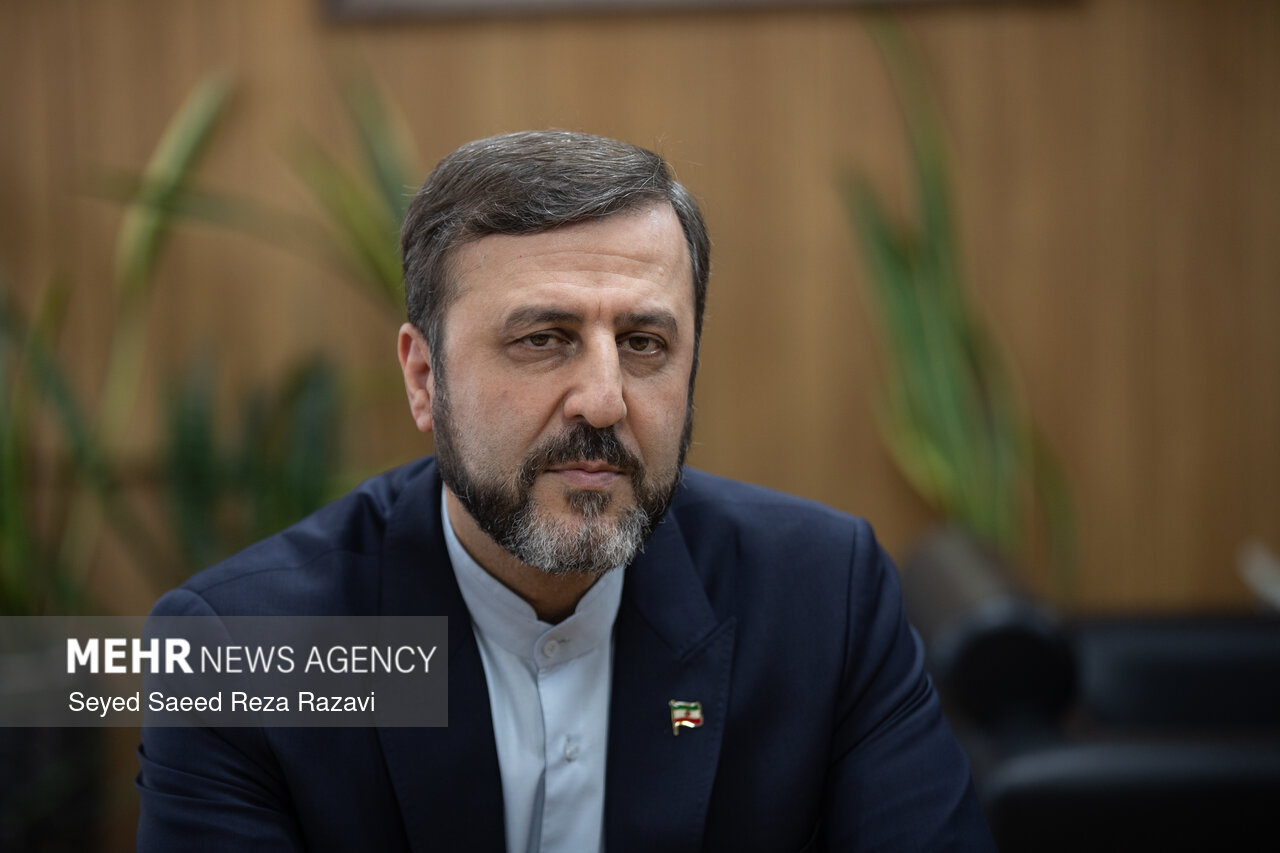
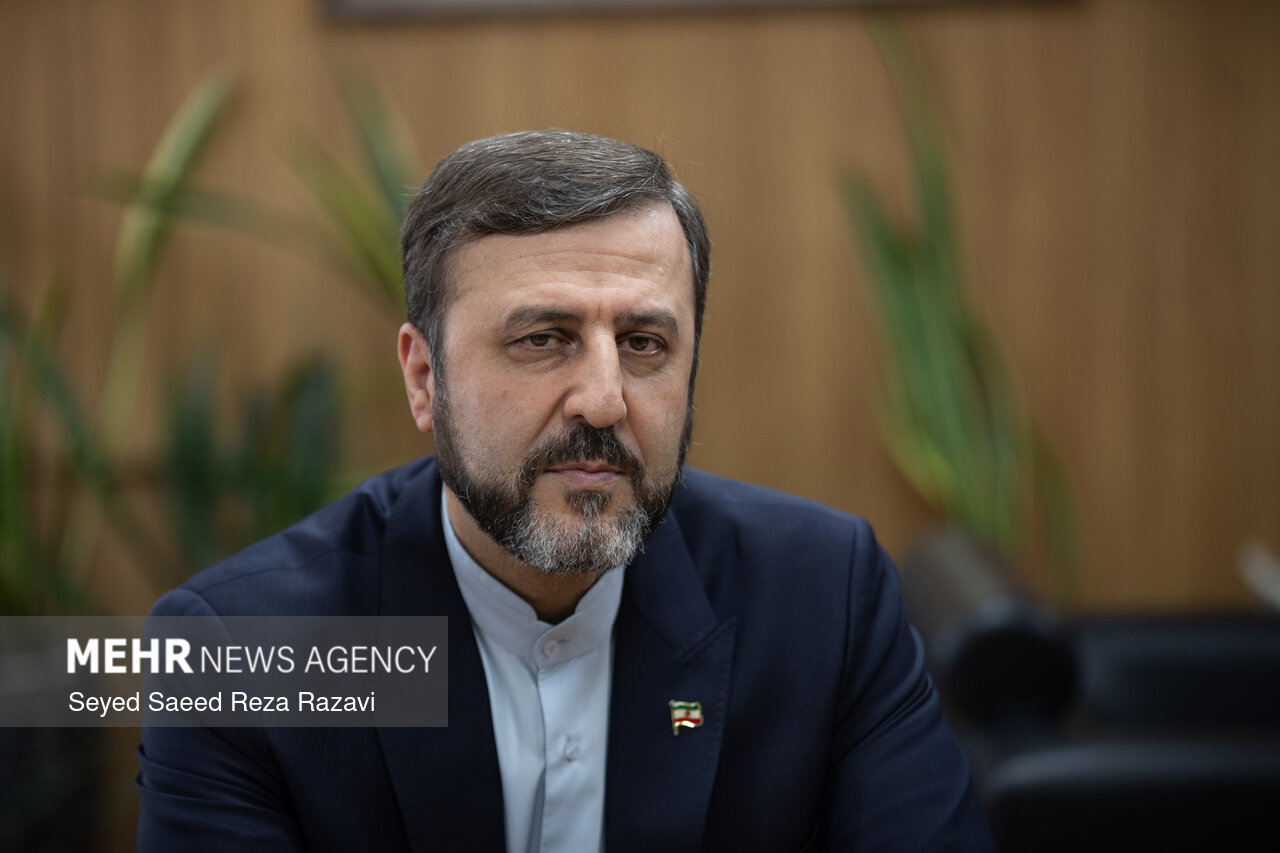
Kazem Gharibabadi, deputy foreign minister for legal and international affairs, wrote on social media platform X that the IAEA’s latest report and Director General Rafael Grossi’s remarks about lack of access to Iran’s damaged nuclearsites, uranium stockpiles, and the loss of continuity of knowledge in Iran’s nuclear programme required a response.
He said the situation did not arise in a vacuum: safeguarded facilities were targeted by U.S. and Israeli military attacks, yet Grossi, who Gharibabadi said has shown himself to be entirely in the service of Washington and the West, has never condemned these strikes. “One cannot ignore the source of the disruption and then frame the consequences of that same disruption against Iran,” he wrote.
Gharibabadi challenged Grossi to take a clear legal stance against the attacks, which he said violated not only Iranian sovereignty but also nuclear safety, the safeguards regime, and the credibility of the non-proliferation system. He questioned how Grossi, a candidate for UN secretary-general, could lead the organisation independently, given his “political and dependent approach.”
On enrichment levels, Gharibabadi said repeated references to 60 percent and scenarios about weapons were more political than technical, noting the NPT sets no limit on enrichment levels and the legal criterion is the absence of diversion to military purposes. Iran’s programme is peaceful, and within its legal commitments, he said.
He warned that the agency cannot report the effects of a military attack, ignore the responsibility of its perpetrators, and then demand that Iran pay the technical and political cost of insecurity created by the aggressors. If the IAEA wants to be part of a diplomatic solution, it must avoid converting technical reporting into political pressure, he said.
“One cannot bomb safeguarded facilities, destroy the access and safety required for inspection, and then deploy the consequences of that same attack as ambiguity against Iran,” he concluded.
MNA