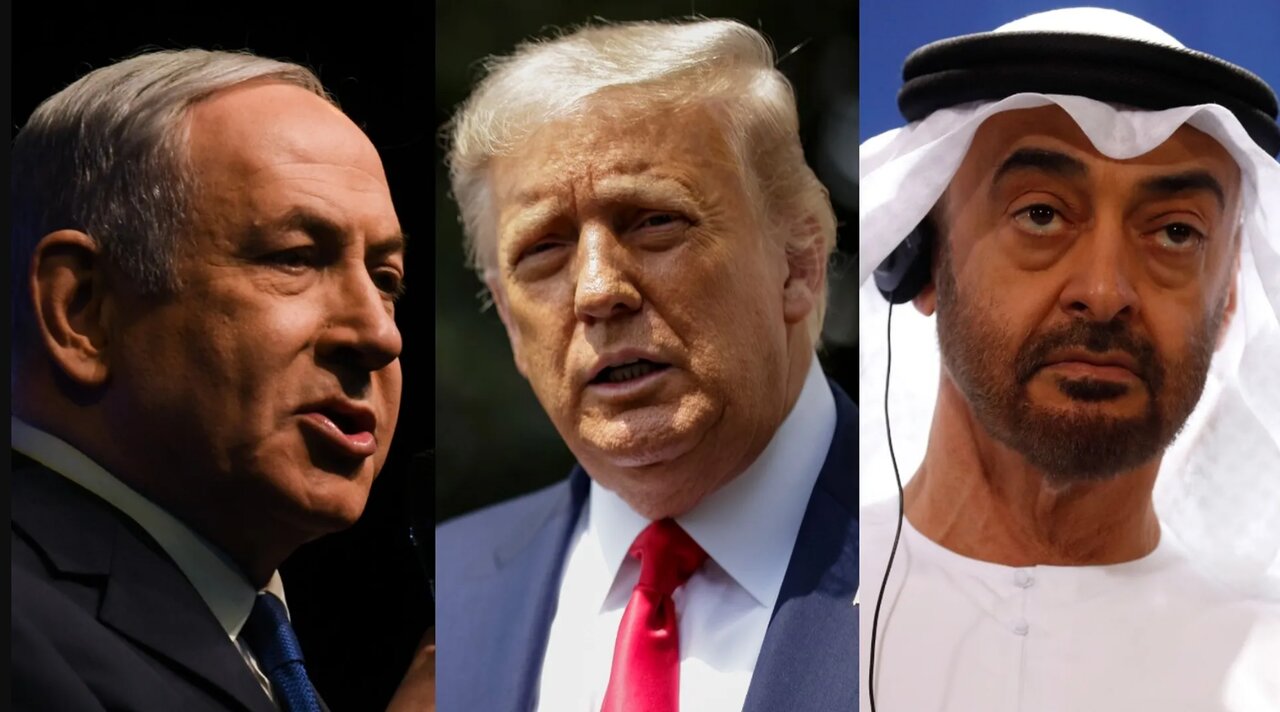
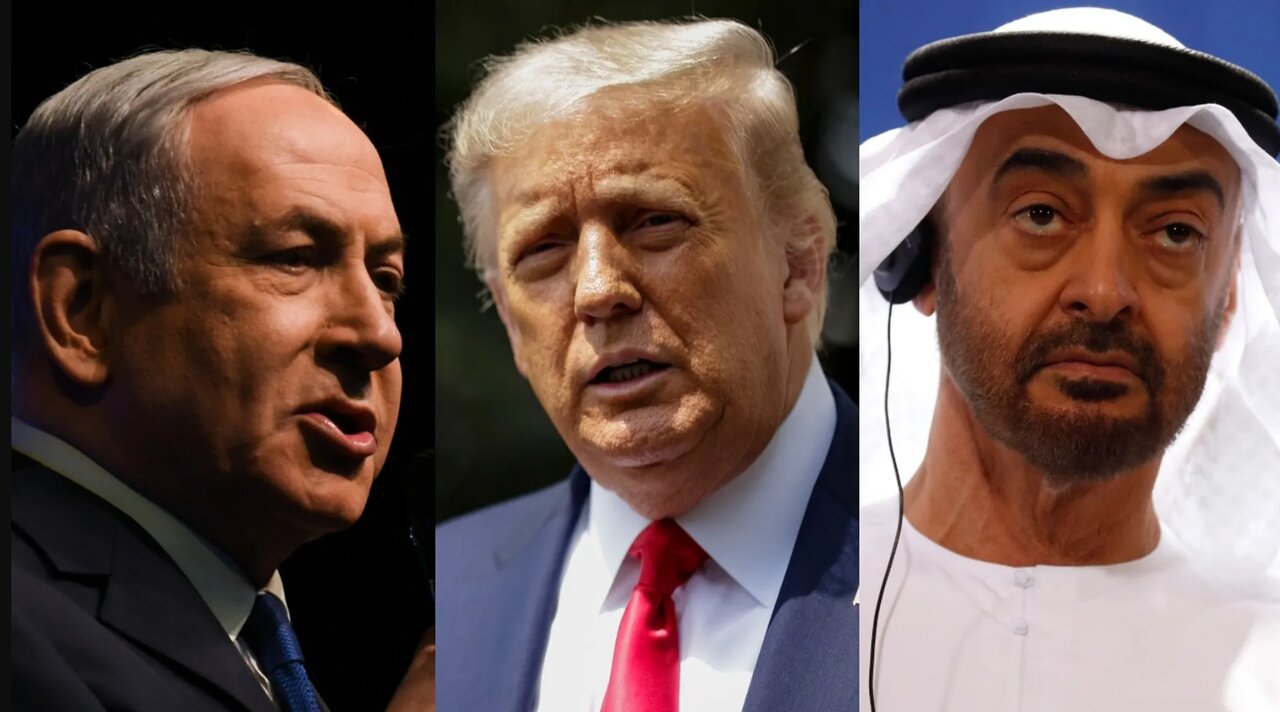
The military assault on Iran has caused some of the rules governing the region to be rewritten, and Iran’s resistance during the forty-day war and its defeat of the aggressors have sent far-reaching messages. In that context, David Hearst, editor-in-chief of Middle East Eye, wrote in an analysis that Iran has won the war. America’s defeat, at a time when its military power was unrivaled, is no small achievement and should be recorded in the history of wars. The survival of the Islamic Republic has fundamentally altered the balance of power in the region. Iran has even shifted the global balance of power. “Neither Trump nor Netanyahu can look their nations in the eye and claim to have been anything other than defeated by the Islamic Republic. Once again. And if I were the ruler of Abu Dhabi, I would not be asking myself about regime change in Tehran. I would be asking myself, how long can I stay in power?”
Such admissions of Iran’s victory show that the regional balance of power has entered a new phase of redefinition. The political and security costs of this adventure not only failed to achieve the original objectives; they eroded deterrence credibility and deepened regional mistrust. As a result, the actors who had staked everything on a scenario of rapid change now find themselves confronting strategic consequences, isolation, and a forced rethinking of their future calculations.
The first loser of this adventure is the United States. For decades, Washington had worked to project an image of itself as an invincible, decisive force in the equations of West Asia, and many regional governments had calibrated their policies accordingly. But recent events demonstrated that even the most extensive military capabilities do not necessarily translate into the achievement of political objectives. Despite an all-out assault on Iran, the United States failed to reach either its stated or its unstated goals. Moreover, direct involvement in a costly confrontation once again exposed the reality that the era of absolute American unilateralism is drawing to a close, and that regional actors now carry considerably more weight in shaping the security landscape.
Failure to achieve objectives is only part of the story. More consequential is the damage done to America’s deterrence credibility. Deterrence has meaning only when the opposing side considers the cost of resistance unbearable. But when a country continues to resist under the most intense pressure imaginable and even after weeks of war maintains its capacity to respond, the message conveyed to other actors is that American power has serious limitations. This could influence the behavior of both Washington’s allies and its adversaries going forward, reshaping their calculations in ways that are difficult to predict.
The second loser of this adventure is the Israeli regime. Its leaders believed that by delivering a heavy blow to Iran, they could reshape regional dynamics in their favor and diminish Tehran’s strategic standing. But the final outcome bore little resemblance to those calculations. Not only were the intended objectives not achieved, but the internal vulnerabilities of the Israeli regime were exposed more nakedly than ever before. For the first time, millions of Israeli settlers tangibly experienced wartime conditions, widespread insecurity, and severe disruption to daily life, a reality that years of effort had sought to keep out of the Israeli public’s consciousness.
Beyond that, the war demonstrated that Israeli military superiority no longer guarantees its security. The regime’s security doctrine has always rested on taking war beyond its borders and preventing conflict from penetrating deep into the occupied territories. But recent developments showed that this model now faces serious challenges, and that Israel’s deterrent capability no longer functions as it once did. From that perspective, the war not only yielded nothing for Tel Aviv; it raised fundamental questions about the regime’s security and strategic future.
At the domestic level as well, Netanyahu faces a deeper crisis of legitimacy than before. Failure to achieve the war’s objectives, mounting internal criticism, and widening political divisions have all further destabilized his position. The experience of recent years has shown that every unsuccessful war, rather than strengthening Israel’s internal cohesion, deepens existing fault lines. Netanyahu, therefore, stands among the principal losers of this adventure, a man who believed war could serve as an exit from his political crises and who now faces challenges far greater than those he started with.
Therefore, if a list of the losers of this adventure were to be drawn up, the names of the United States, Israel, and the UAE would be at the top of it; actors who entered the field with the hope of changing the balance but ended up facing a different reality. A reality that shows that the era of imposing will from outside is declining, and the region is moving towards a new order in which power has acquired a different meaning and coordinates.
MNA