India could witness a below-normal monsoon in 2026 amid signs of a possible strong El Nino event. Experts have warned that weaker rainfall may affect agriculture, water availability and food prices while increasing the risk of prolonged heatwaves in several regions.
Published Date – 27 May 2026, 07:31 PM
By Ashmit Mazumder
New Delhi: India could face a challenging year ahead as forecasts point towards a below-normal monsoon and the possible emergence of a strong El Nino event, raising concerns over heatwaves, water shortages, agriculture and inflation.
The India Meteorological Department (IMD), in its first long-range forecast for 2026, projected southwest monsoon rainfall at 92 per cent of the Long Period Average (LPA), placing it in the “below normal” category. The forecast marks the first below-normal monsoon prediction in recent years and has raised concerns about its impact on the economy and weather patterns.
The forecast comes amid growing indications of El Nino conditions developing over the Pacific Ocean during the southwest monsoon season. According to the IMD, weak La Nina-like conditions are currently transitioning towards ENSO-neutral conditions, with climate models suggesting the possibility of El Nino developing later this year.
El Nino refers to the warming of sea surface temperatures in the central and eastern Pacific Ocean, a phenomenon often associated with weaker monsoon rainfall and hotter weather conditions in India. Strong El Nino events can alter atmospheric circulation and affect rainfall patterns across several regions around the world.
Monsoon rainfall remains critical to India’s economy as the June-September season contributes significantly to agricultural activity and water availability. Around half of India’s agricultural land continues to depend on rainfall, making the country particularly vulnerable to monsoon fluctuations.
Experts have warned that weaker rainfall could affect crop production, particularly for water-intensive and rain-dependent crops including rice, soybean and cotton. Reduced agricultural output could also increase pressure on food prices and rural incomes.
The Reserve Bank of India has previously identified weather-related disruptions, including El Nino conditions, as a potential risk factor for inflation, particularly in food prices.
Water availability is another concern. Lower-than-normal rainfall could affect reservoir levels and hydropower generation, while increasing pressure on drinking water resources across several regions.
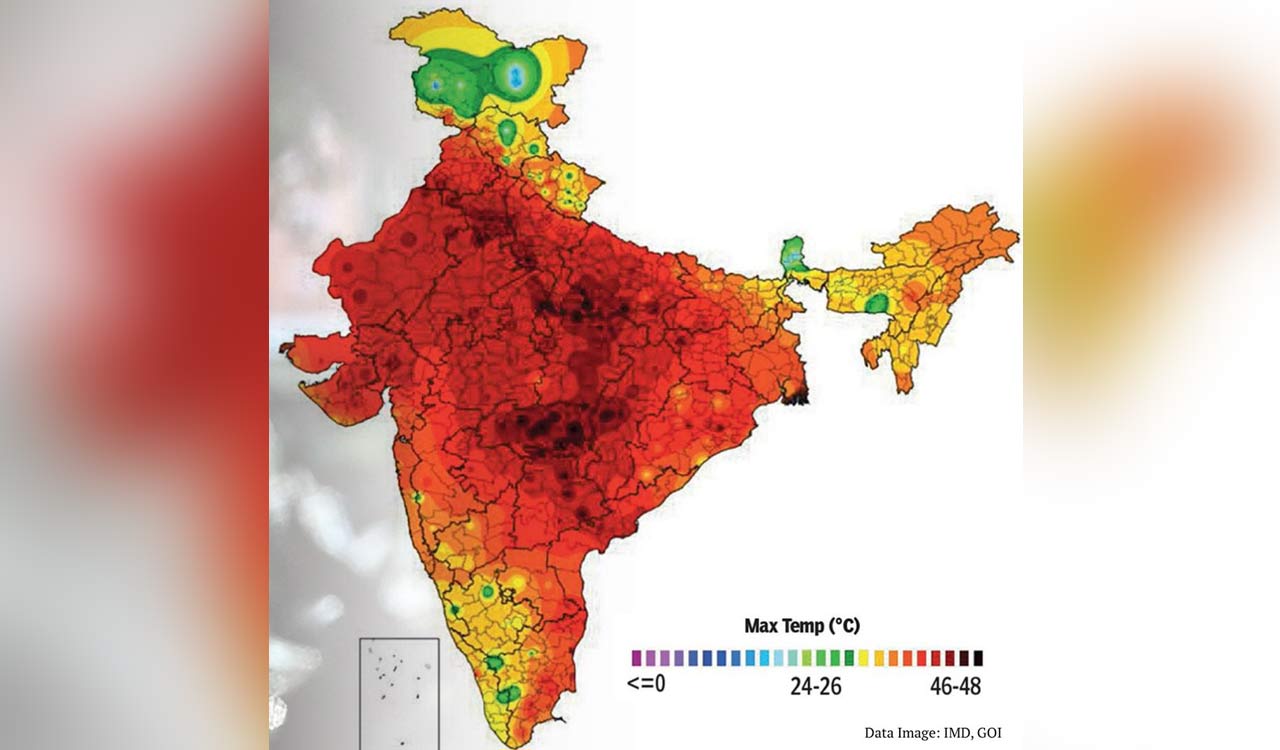
Several parts of the country have already experienced intense heat conditions this year, with temperatures rising sharply in central and western India. Weather agencies have warned that prolonged heatwaves may continue in parts of northern and central India during the summer months.
While forecasts indicate a below-normal season, weather experts noted that monsoon projections remain subject to revisions and regional variations can differ significantly. IMD is expected to issue updated forecasts later in the season.