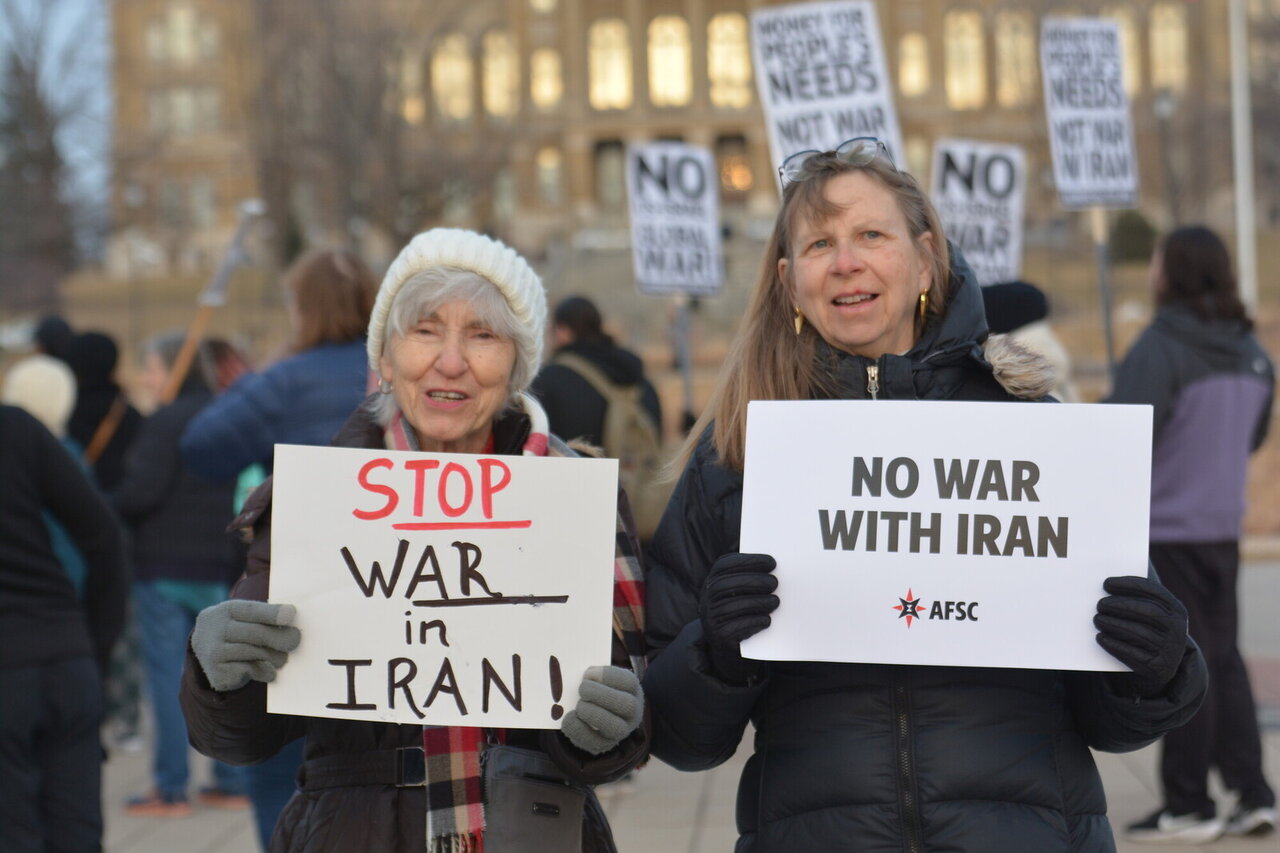
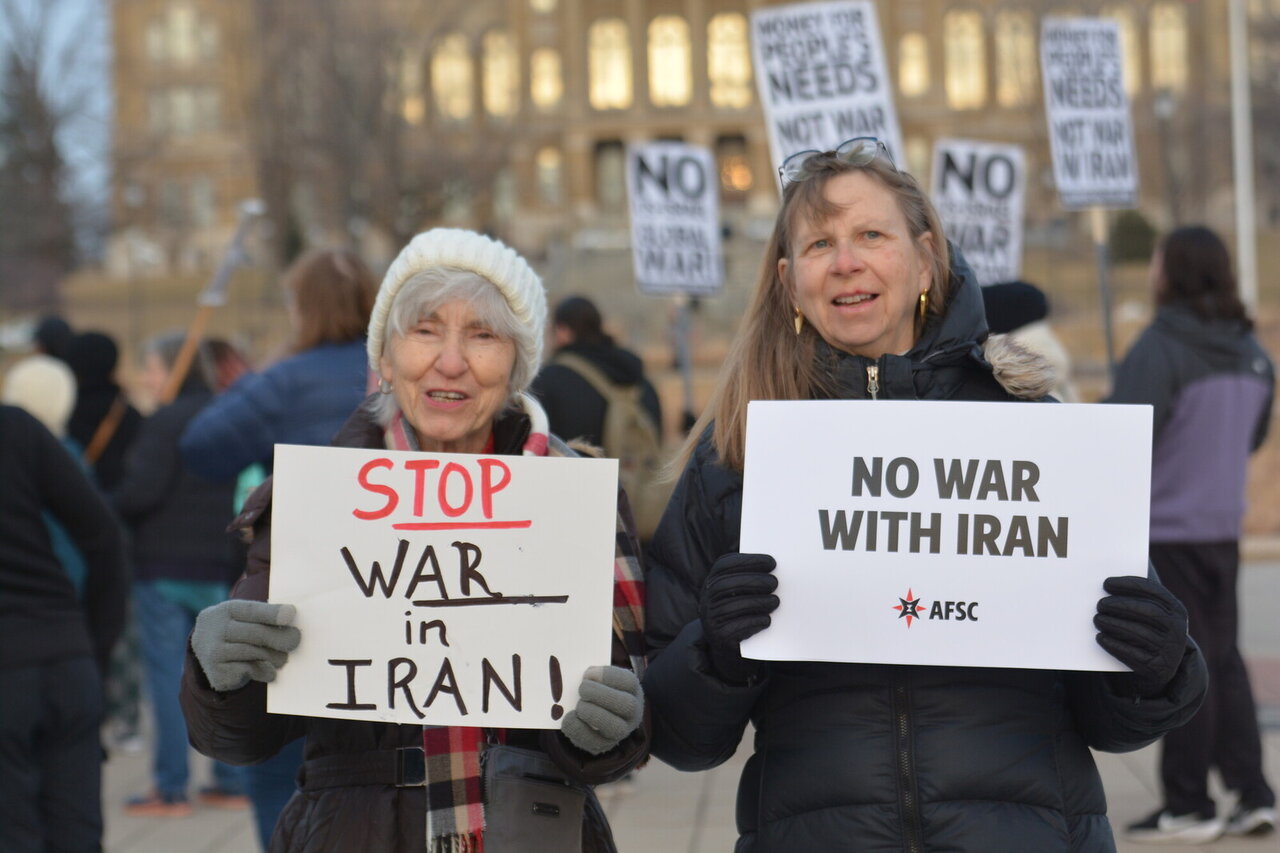
As the U.S. Senate voted Tuesday to pass a resolution aimed at curtailing Donald Trump’s war powers with respect to Iran — a vote driven by mounting public pressure and the fallout from what critics are calling a failed military campaign — opposition to the president’s military adventurism continues to grow. Democratic Senator Raphael Warnock captured the mood in a post on X: “The Senate has taken an important step towards ending Trump’s illegal war in Iran. This war has been a failure to the highest degree. I promise to keep holding this President accountable. My Republican colleagues need to do the same.”
The recent positions taken by American senators, and the escalating volume of criticism across U.S. media, make one thing increasingly clear: contrary to the White House’s initial expectations, Washington’s entry into the war has produced no identifiable strategic gain. Instead, it has rapidly become one of the most serious domestic political crises of the Trump presidency. What is now visible in the American political landscape is not merely a partisan dispute between Republicans and Democrats; it is the expression of deep unease within a broad segment of the American political establishment about the country being drawn, once again, into a costly and grinding war in West Asia, one whose consequences could shadow America’s economy, security, and global standing for years to come.
At the outset of the conflict, Trump sought to frame the military strikes against Iran as a demonstration of power — a restoration of “American deterrence.” He and those around him calculated that overwhelming military pressure could force Iran to back down, while simultaneously bolstering the president’s domestic standing. But the course of events has exposed a wide gulf between White House calculations and battlefield realities. Not only did America’s stated objectives fail to materialize, but the resulting regional instability, rising economic costs, threats to American interests, and growing anxiety among Washington’s allies gradually turned the domestic atmosphere against continuing the war.
American public opinion has not forgotten the bitter experience of Iraq and Afghanistan — two wars that cost Washington trillions of dollars and ultimately produced no clear benefit for the United States. Many American politicians now fear that Trump is once again steering the country down a path with no visible end and prohibitive costs. This explains why even some political currents within America that previously supported the pressure campaign against Iran are now warning against the continuation of the war.
The economic consequences of the war represent another serious dimension of the problem. Heightened tension in West Asia has historically been a major source of instability in energy markets and the global economy. As the conflict has expanded, concerns have deepened over rising oil prices, disruptions to global trade, and additional strain on the American economy. In a context where the United States is already grappling with inflation, heavy national debt, and social discontent, this has become a genuine political threat to Trump. Many American analysts argue that prolonging the war will increase economic pressure on ordinary Americans and accelerate the decline in the president’s approval ratings.
A segment of America’s political and security establishment is also worried that continued confrontation with Iran could draw Washington into a far wider regional crisis. Iran has demonstrated, over many years, a capacity for managing wars of attrition and delivering asymmetric responses, and any prolonged engagement risks spreading instability across the entire region. This concern has led numerous former American officials to warn of the war’s unpredictable consequences. Their argument is consistent: starting a war may be straightforward; ending one is another matter entirely.
The Senate’s passage of a resolution to limit Trump’s war powers is, above all, a marker of the widening fracture within America’s political structure. Senators opposed to Trump’s course are seeking to send an unambiguous message: a president cannot lead the country into a major war without the oversight and authorization of its legislative institutions. This signals that even within the American government itself, anxiety over Trump’s unpredictable decision-making has intensified. Many critics argue that the president, driven by an impulsive and personal approach, has placed the country’s national security on a dangerous gamble.
American media, meanwhile, have progressively adopted a sharper critical tone toward the war. In recent weeks, a steady stream of reports and analyses have examined the war’s costs, Washington’s failure to achieve its objectives, and the risk of the crisis expanding further. Even some outlets with traditionally close ties to the Republican Party have expressed concern about the direction of events. This shift in the media environment is itself telling: the war has failed, contrary to Trump’s expectations, to generate the political and social consensus it needed at home.
Part of the anxiety in Washington also concerns America’s international standing. Many American analysts argue that entering a new war in West Asia — at a moment when the United States faces intense strategic competition with China and Russia — risks fragmenting Washington’s strategic focus at the worst possible time. In their view, becoming mired in a prolonged regional crisis would not only drain American capacity but hand international rivals a significant opportunity to extend their own influence.
What is visible in America today is, in essence, a mounting fear of repeating the strategic mistakes of the past. The experience of Iraq and Afghanistan remains a powerful symbol of the failure of interventionist policy in the American political consciousness, and many now fear the war with Iran could evolve into an even more complex crisis. Unlike some countries in the region, Iran possesses extensive political, security, and regional capabilities — and it is precisely this that makes any sustained confrontation costly and unpredictable for the United States.
Trump now faces one of the most difficult challenges of his political career. On one side, he is straining to maintain the image of a strong and decisive president. On the other hand, he confronts a rising tide of domestic criticism, economic anxiety, and political opposition. Continuing the war threatens to intensify the pressures against him and place his political standing at serious risk. For this reason, many analysts believe the White House will be compelled, in the days ahead, to make a choice: press on with the military campaign, or accept the political realities now reshaping the landscape at home.
MNA