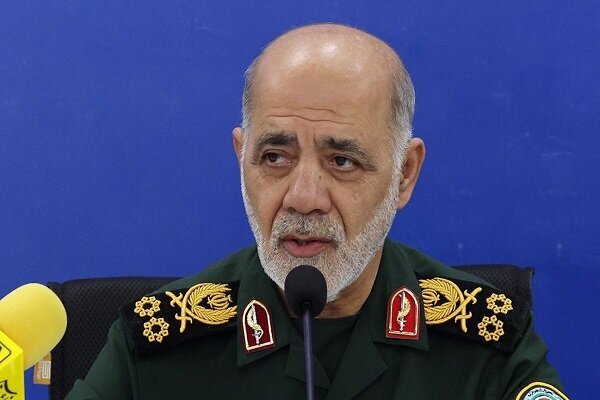
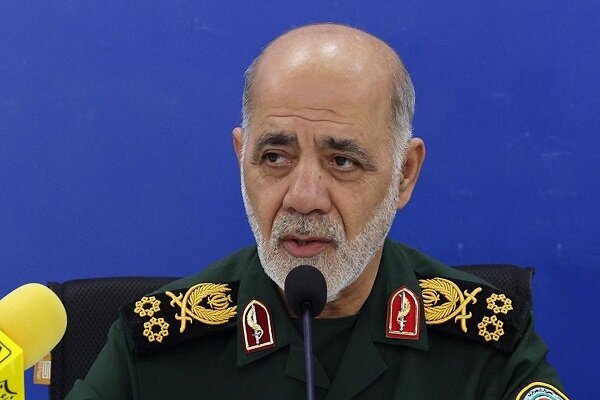
He commended the healthcare workers for treating more than 34,000 wounded individuals under wartime conditions, highlighting the sacrifices made by doctors, nurses, paramedics, and relief workers.
The commander described medical workers as heroes who continued serving, despite facing danger themselves.
He commemorated those martyred among the medical staff along this path, noting how the self-sacrificing personnel’s “historic and magnificent presence” served both the nation and the Armed Forces alike.
“Heroes who, amid wounds and bloodshed, while themselves were exposed to danger, sacrificed their lives so that the wounded could continue breathing,” Abdollahi wrote.
Professors, physicians, nurses, paramedics, relief workers, and other personnel working in medical sciences universities, the Armed Forces’ health sectors, and public and private healthcare institutions, as well as members of the medical society associated with Iran’s Basij volunteer force “revived the lives of more than 34,000 wounded individuals with exemplary skill” during the aggression, the commander stated.
“You demonstrated that on the battlefield, the components of power are not only bullets, but also your capable hands, which restore the light of hope and life to the wounded in the darkest moments,” he wrote, according to Press TV.
Abdollahi added that medical personnel had displayed “that unity places knowledge in the service of faith and the defense of the homeland and the great ideals of the nation.”
The commander also said the names of medical workers would be remembered as “life savers, who, in the most difficult moments, instead of retreating, rushed toward the wounded.”
MNA