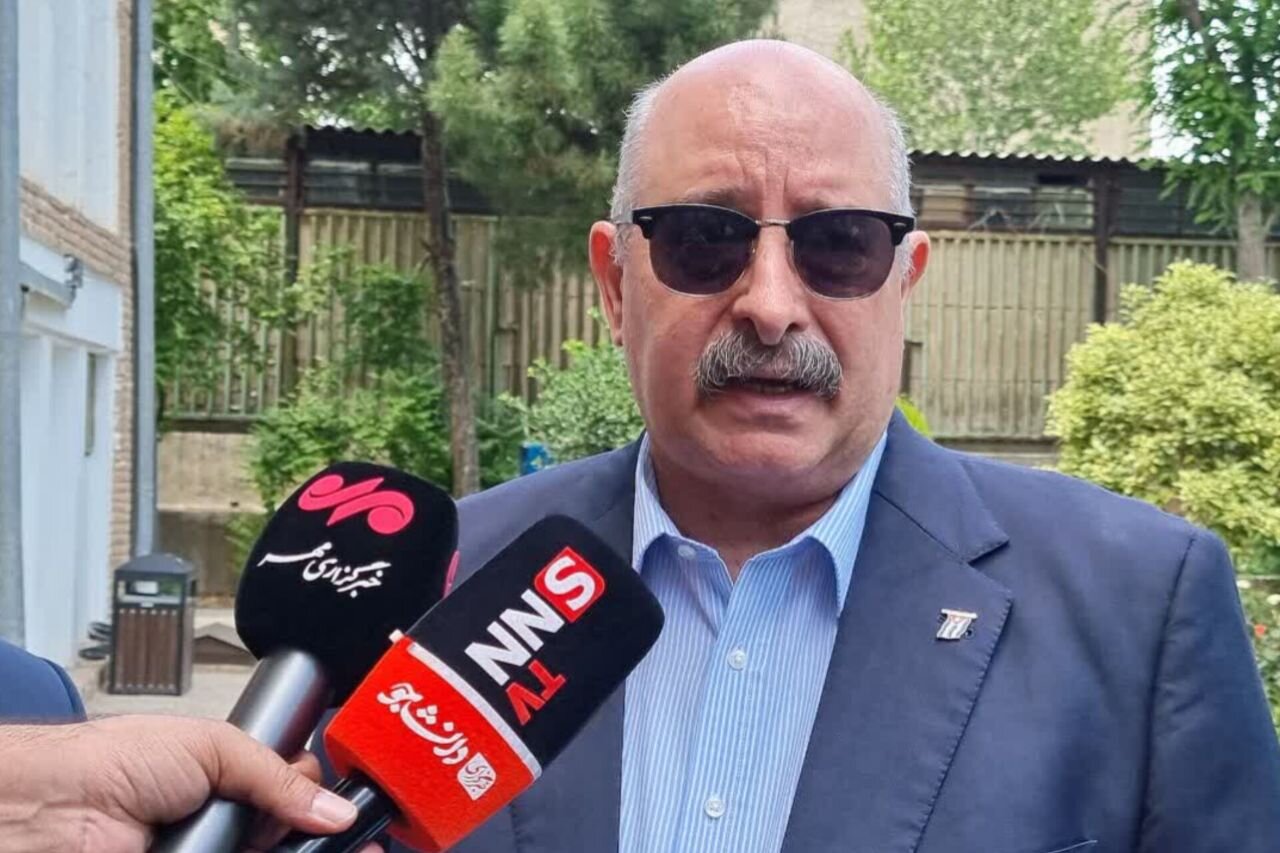
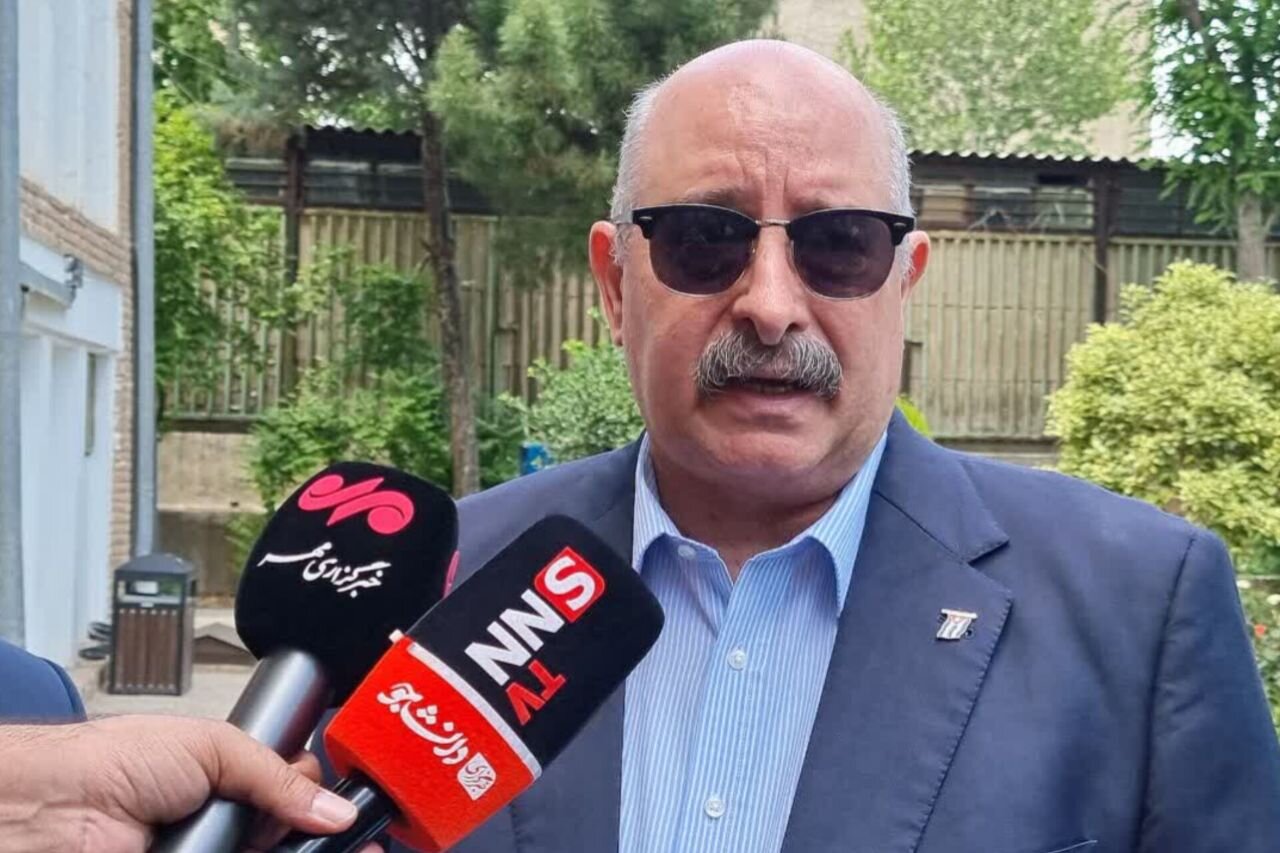
Cuba’s Ambassador to the Islamic Republic of Iran, Jorge Fernando Lefebre Nicolas, has described Iran’s steadfastness in the face of sweeping sanctions and military aggression as a historically exemplary model — one that the Cuban people hold in high regard and intend to draw lessons from in their own defence against US pressure.
Speaking to journalists during a visit to Alborz Province, Lefebre Nicolas emphasised the depth of the strategic relationship between Tehran and Havana against the backdrop of growing US threats against both countries.
“Our diplomatic relations span more than 50 years,” he said, “but what has gained added importance today is that both countries find themselves under mounting US threats and pressure. The threat of war and new hostile acts brings us closer together every day.”
Responding to a question from Mehr News Agency, the Cuban envoy was direct in his assessment of what Iran’s experience means for Cuba. “The Cuban people place great value on the Iranian people’s resistance. Both countries have faced wide-ranging sanctions for years, but what we have observed is Iran’s remarkable ability to defend its country despite these constraints. This experience is instructive for us — to draw on it, by expanding solidarity, in defending our own country.”
He described Iran’s resistance against Zionist and American aggression as more than a passing moment of defiance. “This is an exemplary case that will endure in history and will forever remain one of the most important chapters of Iran’s proud history,” he said.
Beyond the political dimension, Lefebre Nicolas highlighted the breadth of the bilateral relationship, pointing to decades of cooperation in biotechnology as its most tangible expression. He described joint vaccine production as the crown jewel of Cuba-Iran scientific collaboration — an area where both countries have accumulated considerable shared expertise.
During his visit to a war-damaged historical palace in Alborz, the ambassador reflected on the cultural dimension of the conflict. He called the destruction of historical sites during the war an act against humanity, and urged international organisations, including UNESCO, to formally document and condemn the attacks on Iranian cultural heritage.
“What happened during the war were actions against humanity that should never occur,” he said. “Destroying historical monuments and attacking a nation’s culture has deep effects on its people.”
MNA