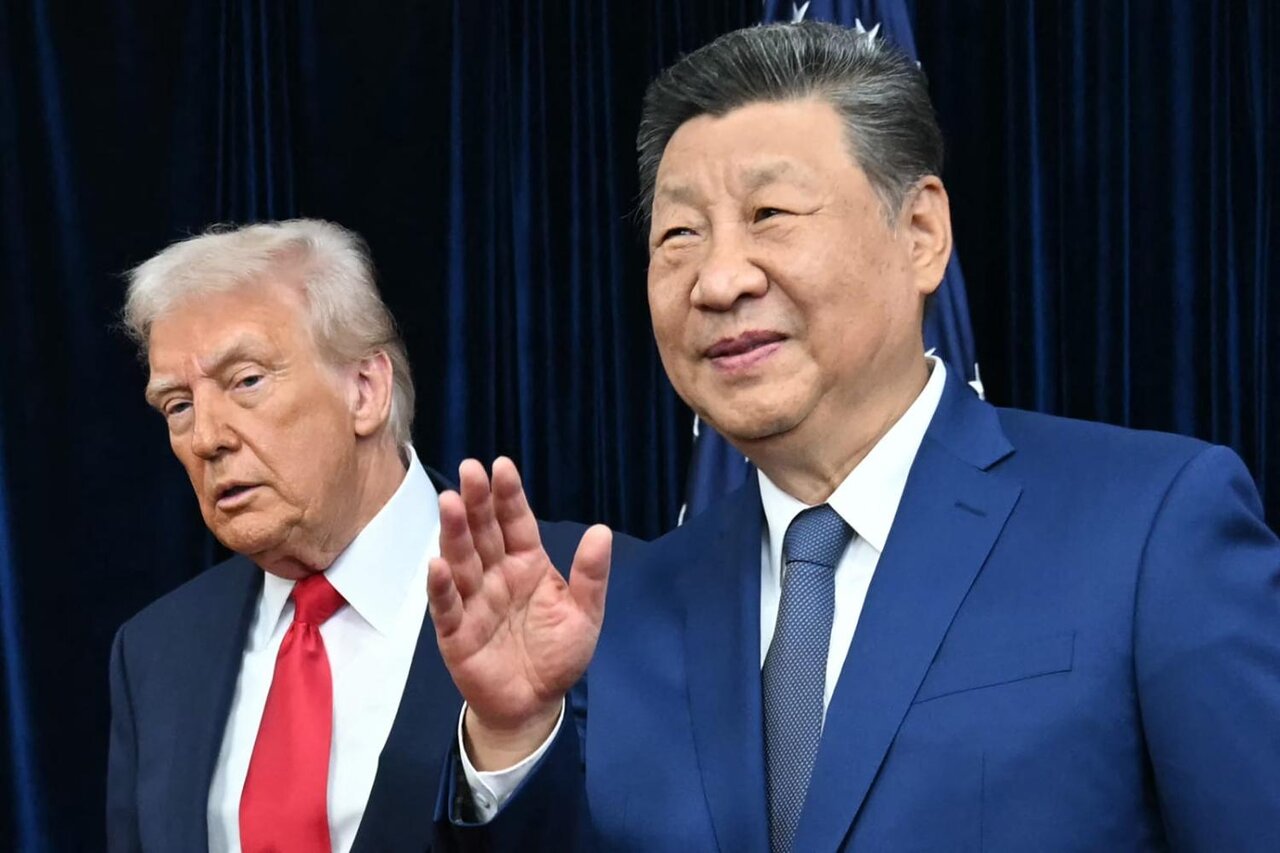
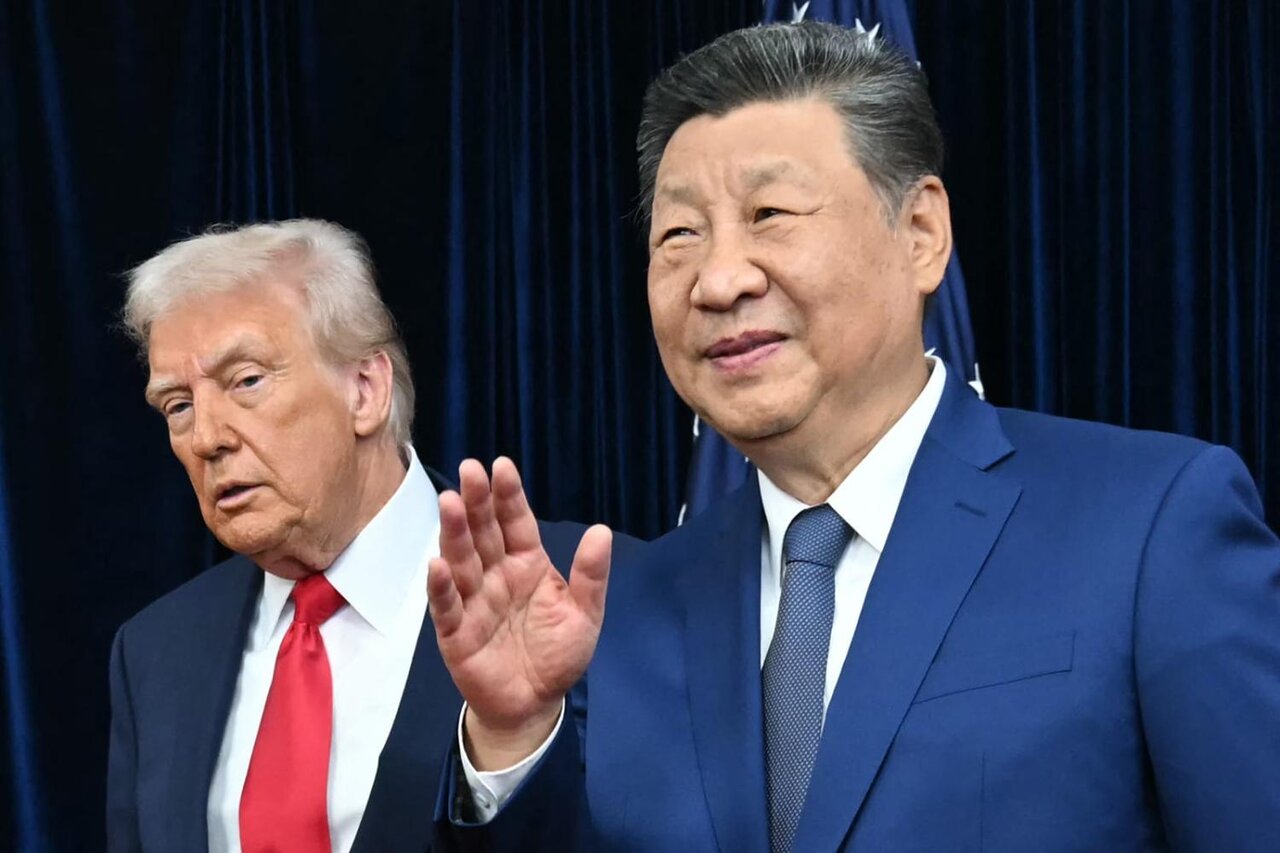
Donald Trump arrived in Beijing on Wednesday, May 13, after several weeks of media maneuvers. The trip took place while the United States, after about 150 years of claiming to be a superpower, planned this trip in its weakest position.
During the election campaign and after coming to power, Trump called China the only “strategic enemy of the United States” and blamed Democratic governments for helping China to be present in the US spheres of influence. From the very first days of his establishment in the White House, he emphasized the need to punish China economically and increase support for Taiwan, and entered an economic war with Beijing by imposing heavy tariffs on imported goods. However, gradually, as Trump’s political self-centeredness increased and a gap was created between the US and the international community, a good opportunity was provided for China to expand its sphere of influence among America’s neighbors and European allies with patient planning.
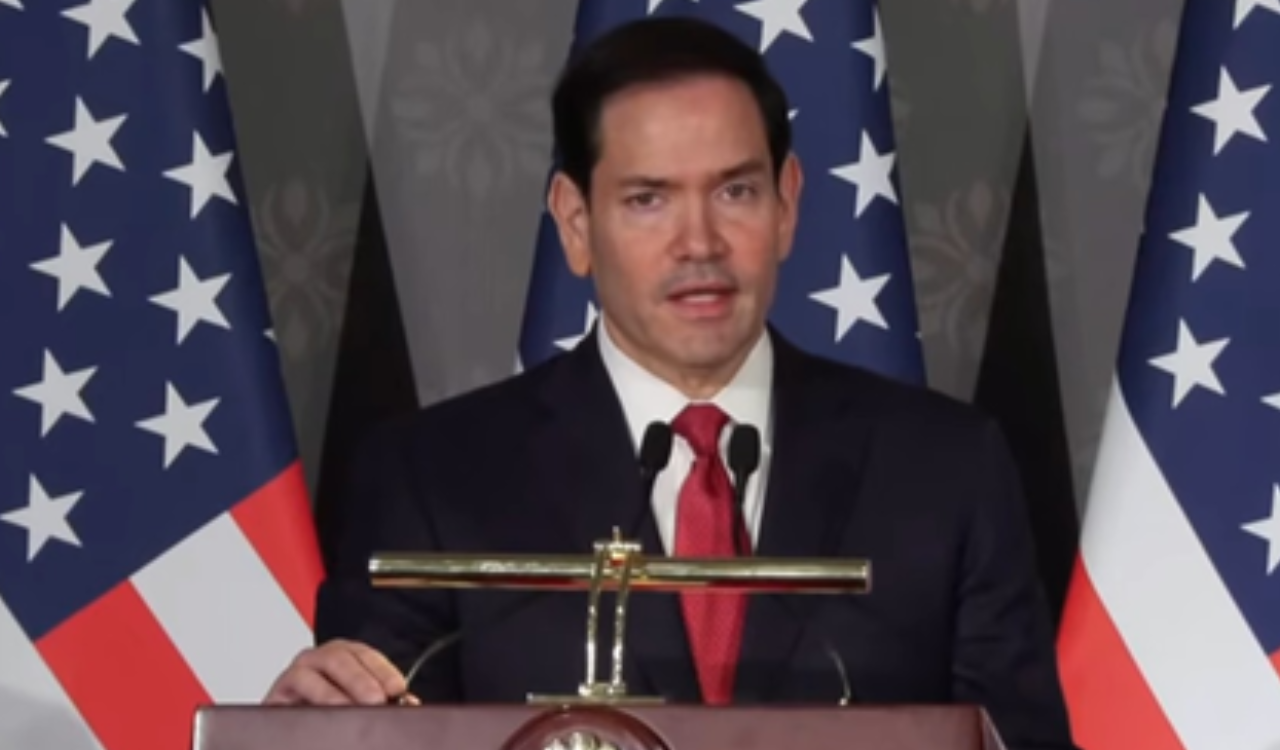
China welcomed Trump while it was known as the first trading partner with about 150 countries, and Trump went to Beijing at a time when he had fallen far short of his superpower status after his invasion of Iran and successive defeats and setbacks, especially in the Strait of Hormuz. For this reason, most political experts analyze Trump’s trip to China from a position of weakness and to escape international isolation and divert public opinion from his failures in the Persian Gulf. Of course, before leaving, the Trump administration tried to portray its trip as a position of strength by humiliating China, and a few days before Trump’s departure, US Secretary of State Marco Rubio said in an interview with NBC News that the US is not asking China for help and that Washington does not need their help. He also called China the main geopolitical enemy for the umpteenth time in an interview with Fox News’ Sean Hannity, saying that his country urgently needs to strategically guide its complex relations with China.
On the other hand, China, by monitoring international developments and recognizing America’s failures in the war with Iran, knew very well that America was no longer a superpower and that it could gain advantages from this country, which needed to be mentioned in the international arena. Mr. Xi’s high position in the negotiations, his disregard for American sanctions, and his emphasis on continuing to buy oil from Iran proved that the US president had gone to Beijing in the worst possible circumstances.
Of course, Trump’s visit to China cannot be analyzed solely in relation to the issue of Iran, and this trip had a wider variety in the economic, political, and geopolitical spheres. However, China’s warning to the US to prevent it from entering the Taiwan issue, as well as serious complaints about an economic and tariff war against China, showed the depth of the differences between the two countries and Beijing’s superior position in the negotiations. China’s motivations in recent months have also shown that the country is not willing to easily move within the framework of the US maximum pressure policy, whether on the issue of Taiwan or on the issue of Iran.
China, as one of the largest energy importers from the Persian Gulf region, is seriously sensitive to creating insecurity in the region and has explicitly stated its opposition to US actions to destabilize the Sea of Oman. The fact that China has not accepted the US’s unilateral sanctions against Iran, has continued its economic cooperation with Tehran, and has also refused to support some anti-Iranian resolutions in the United Nations Security Council shows that, in many areas, the strategic interests of Iran and China are common. For this reason, as expected, China resisted Washington’s pressure to fully align Beijing against Tehran.
MNA