Commuter groups have raised concerns over Telangana’s proposal to introduce free MMTS travel, citing financial shortfalls, operational constraints, and potential overcrowding. They suggest a targeted reimbursement model instead, while highlighting unresolved infrastructure gaps and last-mile connectivity issues.
Published Date – 2 May 2026, 03:30 PM
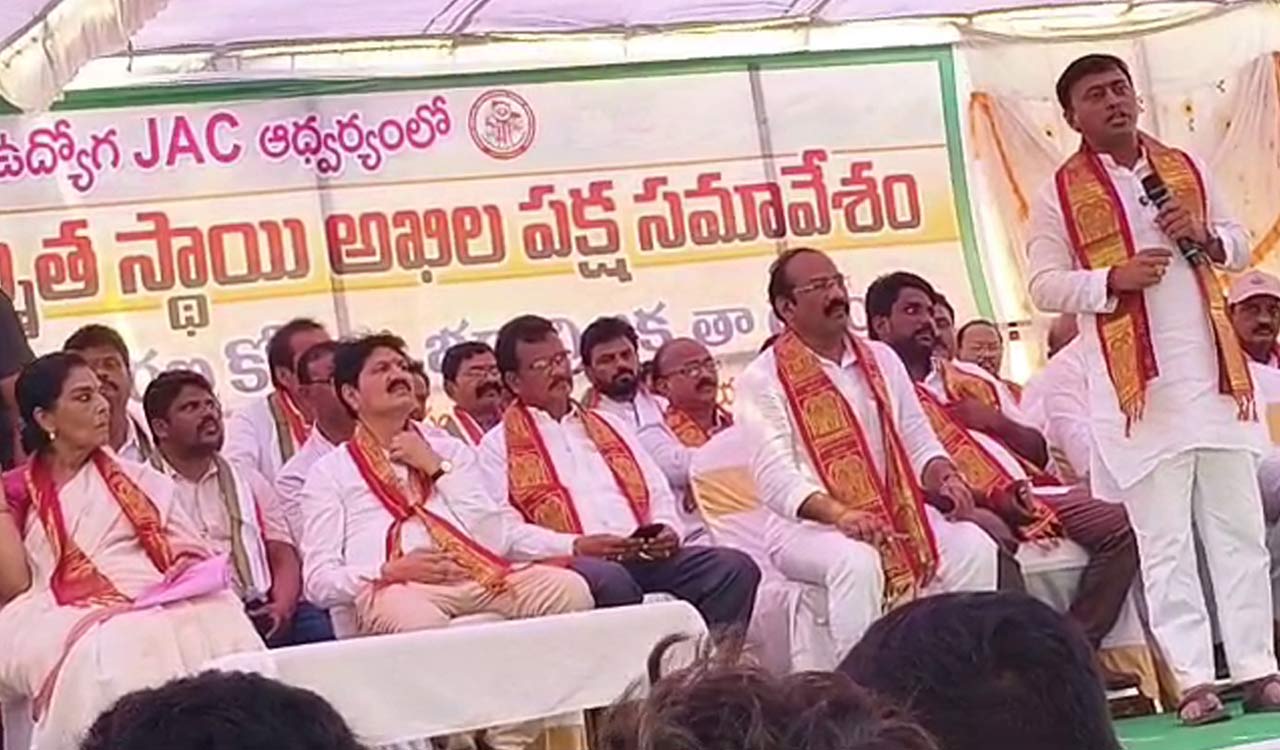
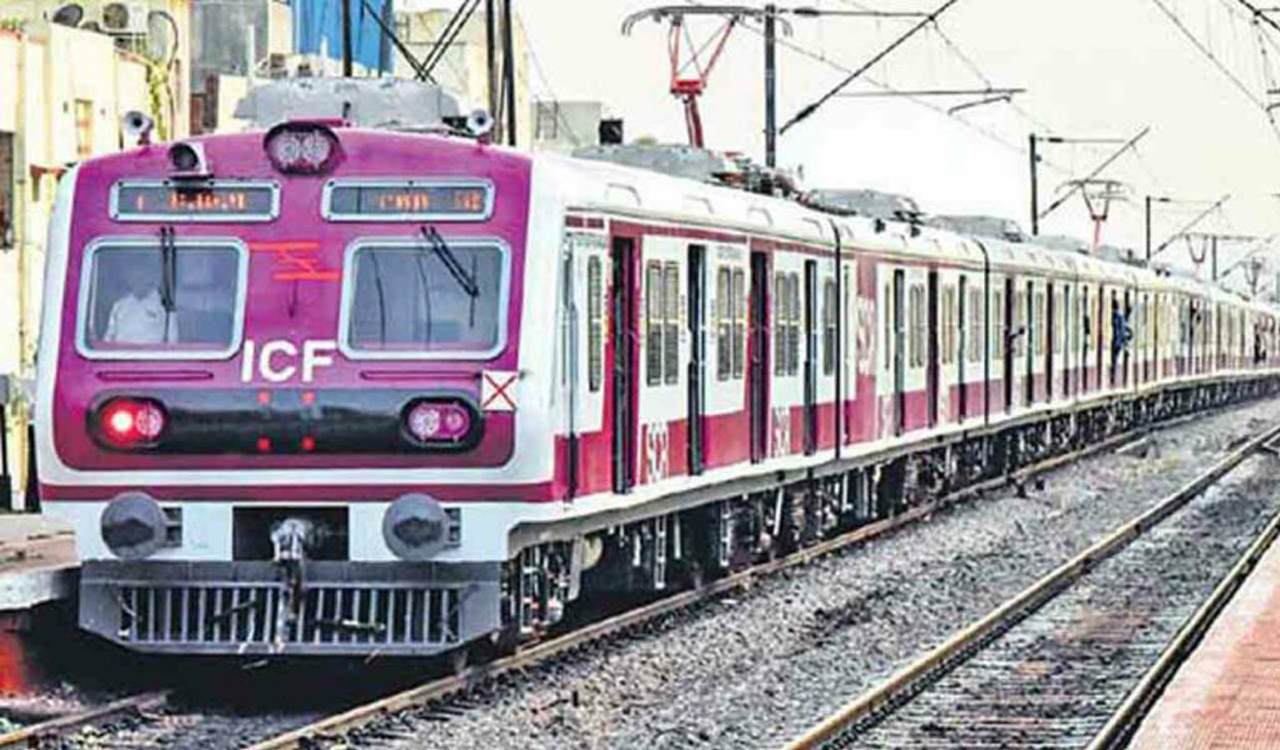
Hyderabad: The proposal to introduce free travel on the city’s suburban rail network seems not to be going down well with the commuter groups, who argue that the plan may be financially and operationally non-feasible in its current form.
Recent discussions between the Government of Telangana and South Central Railway (SCR) have reportedly explored the possibility of offering free rides on the Multi-Modal Transport System (MMTS) starting June 2, marking Telangana Formation Day.
While the idea is aimed at easing commuter expenses and boosting ridership, rail commuter groups say the financial allocation being discussed, around Rs 10 crore annually, falls short of the likely requirement.
According to Noor Ahmed Ali, president of the MMTS Travelers Association, the cost of universal free travel could easily double due to increased usage. “Whenever services are made free, footfall rises sharply, including among occasional users. The actual burden may cross Rs 20 crore per year,” he pointed out, adding that such a jump has not been adequately factored into planning.
The association also expressed concern that unrestricted free access could lead to misuse, making crowd management and passenger safety more challenging. Rail commuters point out that MMTS trains already witness peak-hour congestion on several routes, and a sudden surge without parallel capacity expansion may strain the system further.
Operational limitations remain another major hurdle. The MMTS network continues to face a shortage of train rakes, restricting frequency on key corridors. At the same time, the State government’s pending financial commitments, estimated at around Rs 490 crore for Phase-II, are yet to be cleared, delaying network expansion and modernisation efforts.
As an alternative, the travelers’ association has suggested a targeted reimbursement model, where regular commuters purchase tickets and later claim refunds. This approach, they argue, would ensure that benefits reach genuine users while keeping costs predictable and reducing the scope for misuse.
Beyond funding and capacity, long-pending plans for seamless last-mile connectivity were also to materialise. Proposals to integrate MMTS stations with feeder services from Telangana State Road Transport Corporation and improved links with the Hyderabad Metro Rail have seen limited progress.
Meanwhile, commuters say the absence of reliable feeder buses, shared mobility options and coordinated scheduling continues to impact the system’s usability.