The recent forty-day war between Iran and a U.S.-led coalition has exposed more than a military stalemate; it has revealed a deep cultural and perceptual gulf that decades of coercive diplomacy have failed to bridge. While Washington continues to rely on the language of deadlines, ultimatums, and brute force, Tehran has consistently responded with “strategic patience”—a posture deeply rooted in a millennia-old civilizational identity where national dignity and sovereignty carry a weight that often confounds Western strategic calculus.
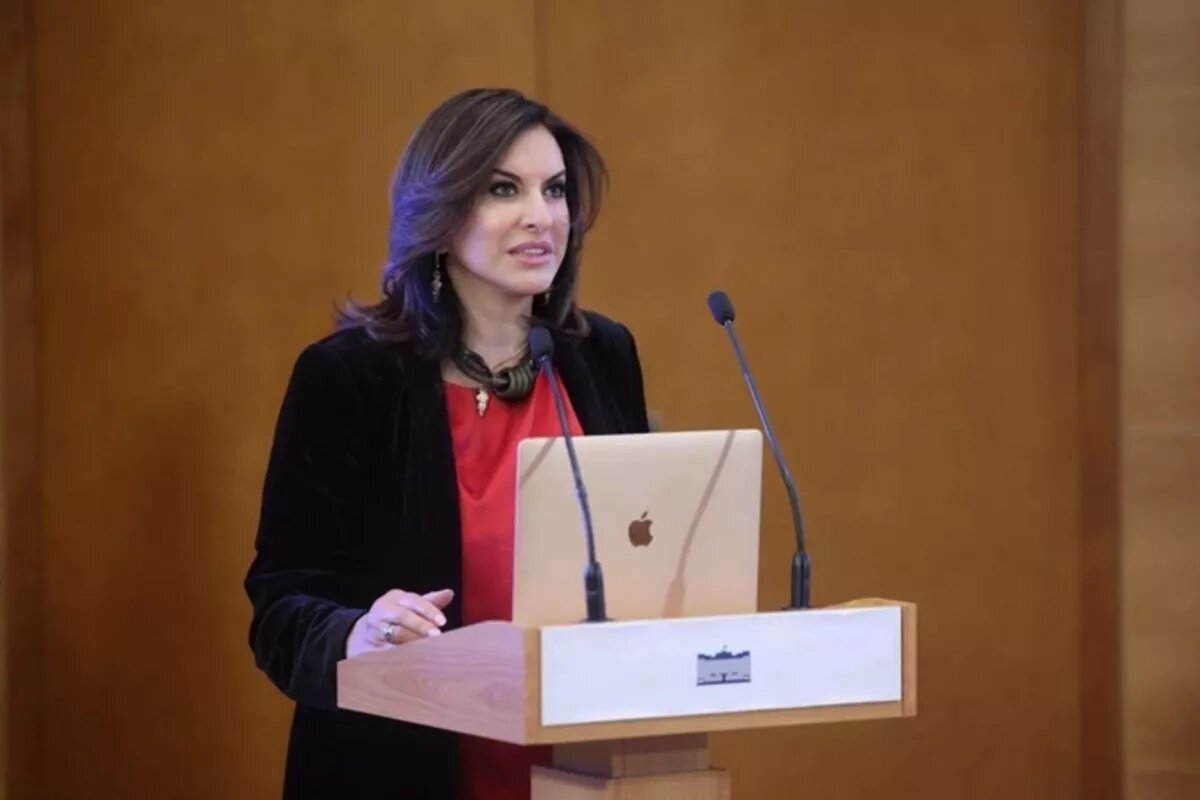
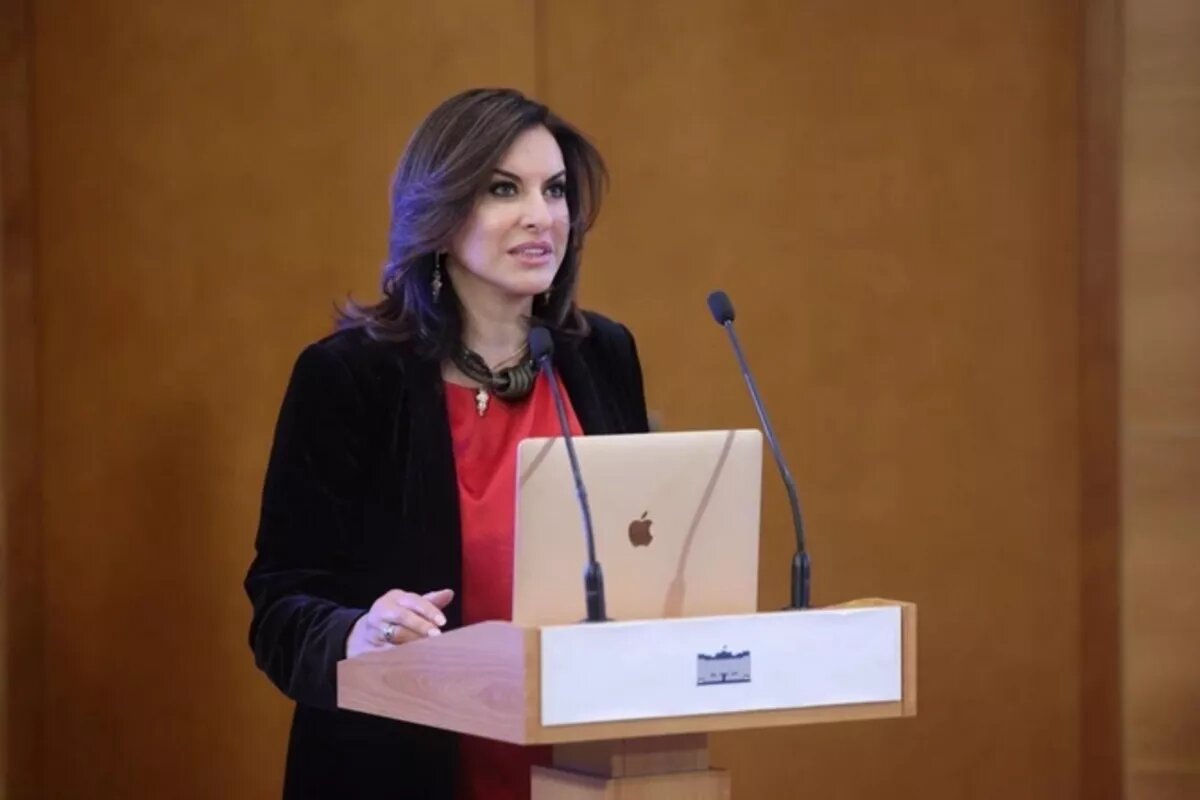
To better understand why Iran does not surrender under pressure, how its society mobilizes in the face of external threat, and also shed light on the cultural aspects of the recent war, Mehr News Agency reached out to the Director of the Eastern Cultural Center at the Institute of Oriental Studies of the Russian Academy of Sciences. In a wide-ranging conversation, Lana Ravandi-Fadai unpacked the civilizational framework that shapes Iranian decision-making, the role of civic solidarity in reshaping global perceptions, and the dangerous precedent set when the destruction of humanity’s shared cultural monuments is met with silence.
Here is the full text of the interview:
Why does Washington seem incapable of understanding that within Iranian culture, the concept of ‘surrender’ is often viewed as an existential impossibility? Given this cultural chasm, how should we interpret the current dynamic where the U.S. continues its public threats while simultaneously regional mediators are actively trying to arrange a second round of negotiations?
The problem here is not only political but deeply cultural. For decades, Washington has increasingly built its foreign policy around a logic of pressure and coercion, proceeding from the assumption that any state will ultimately make what the political and military hawks consider “rational” concessions once the cost of resistance reaches a critical mass. Donald Trump has taken this aggressive approach to new extremes–despite his campaign promises to the contrary. The persuasive force of “might makes right” or “Obey, or face the consequences” may work in certain cases, but it is misguided regarding civilizational states such as Iran, in which national dignity is often of greater importance than material well-being.
Iranian culture and identity, shaped as they are by millennia of history, artistic and scientific creation, experience of external aggression, and a revolutionary legacy, have roots deeper than political ideology, ethnic makeup, and short-term economic and military advantage. Iran is a mosaic of many ethnicities and viewpoints, and yet there is a palpable solidarity among the people, a strong and durable sense of overarching Iranian identity. One can imagine a cross-section of the soil–the way an archeologist looks at an excavation site–with the many cultural layers that have accumulated over the centuries, different and yet packed together and unified by time: this is a useful image for understanding civilizational identity. Also, we should never forget that this identity has a clear component of self-sacrifice, that is, if I may paint in broad brushstrokes at the risk of some simplification, less evident in the collective West, and thus perhaps more difficult to comprehend.
The sheer scope of Iranian history means that time is understood differently. The United States today–much to the great disappointment of those around the world who have admired this country–is speaking the language of pressure, ultimatums, and deadlines, looking for the exploitable soundbite or quick political win before the upcoming election cycle.
Iran is relying on strategic patience and long-term calculation. And though dignity and national pride figure heavily into Iran’s decision-making, this is hardly acting “irrationally,” though it may involve short-term hardship. A strong argument can be made, based on Iran’s past experience, that a too hasty agreement with the United States ending the material and economic violence against Iran might very well be short-lived and in the long-term turn out to be even more detrimental to Iranian interests.
That is simply pragmatism, and over the past decades, Iran has demonstrated notable pragmatism. It is enough to recall the Joint Comprehensive Plan of Action, under which Tehran accepted significant limitations and concessions in order to reduce pressure and protect the country’s socio-economic stability. This shows that for Iran, not only principles matter, but also the well-being of society. The question is how to best ensure that well-being in the long term. The JCPOA, as is well known, was unilaterally scrapped by President Trump’s first administration, nullifying all the exhausting negotiations that led to it and resulting in what we witness today: massive violence across the region. A lasting peace and mutual understanding will be hard-fought and hard-won.
Of course, some analysts consider that the hawks in the United States understand perfectly well that Iran will not capitulate to the language–or the levers–of brute force and are simply creating the conditions–especially before the public–to wage ever more violent war against the country while claiming that all attempts at diplomacy have failed. We hope that this is not the case and that there are people in Washington who understand the self-destructiveness of the current policies, who are willing to see reason.
Since the very first days of the war, the Iranian people have been present in the streets every night, declaring support for their country. In your view, has this collective civic action helped the global audience reach a more accurate and fair understanding of Iranian society?
Yes, unquestionably, this played an important role. The mass and sustained support from Iranian society showed the outside world something that often remains beyond the Western agenda: Iran is not merely a state, but a civilization with a deeply rooted cultural code. Historically, this code has taken shape as a multilayered system in which ancient statehood, mythology, religious tradition, and the collective memory of external pressure and resistance are intertwined. It is precisely this layering that creates a distinctive form of social cohesion: attachment to the country, to the land, and to the idea of independence becomes not a political slogan, but a component of identity.
Therefore, under conditions of external pressure, society does not fragment; on the contrary, it mobilizes–and these nighttime gatherings in the streets became a vivid manifestation of this deep historical resilience, helping a global audience to see a more complex and, ultimately, more balanced image of Iranian society. Iran is a living, consolidated nation, deeply rooted in its identity. These civic expressions became a kind of “visual argument” that is difficult to ignore: they demonstrate that under external pressure, society does not disintegrate, but instead grows more cohesive.
To what extent this is understood in the United States is another question, however. One can still hear on a daily basis on conservative news outlets such as Fox, that the Iranian people are on the verge of overthrowing their government, that the country is desperate, and about to surrender. Many have pointed out that the propaganda is similar to that during the Vietnam War, when for decades North Vietnam was supposedly just a hair’s breadth away from complete collapse and surrender. Such disinformation campaigns are nothing new in the history of modern warfare and should not surprise us.
Donald Trump has threatened to eliminate Iranian civilization. How has this rhetoric affected the global perception of Iran’s right to defend its civilizational existence?
First and foremost, it is important to note that rhetoric invoking notions such as the “destruction of a civilization” is, in today’s world, perceived as highly abnormal and far outside the bounds of acceptable political discourse. In the 21st century, after the entirety of humanity’s historical experience, such statements–even when made in an emotional or “bargaining” context–are seen not as instruments of diplomacy, but as signals of dangerous escalation. This generates concern not only with regard to a specific country, but more broadly about the way international dialogue is conducted. At that point, the issue is no longer limited to disagreements over specific matters, but extends to the very right to exist and to defend one’s own civilizational identity. I am confident that very few in America or Europe, whatever their political stripe, condone such statements, which may indeed relay a sense of desperation above all else on the part of those making them.
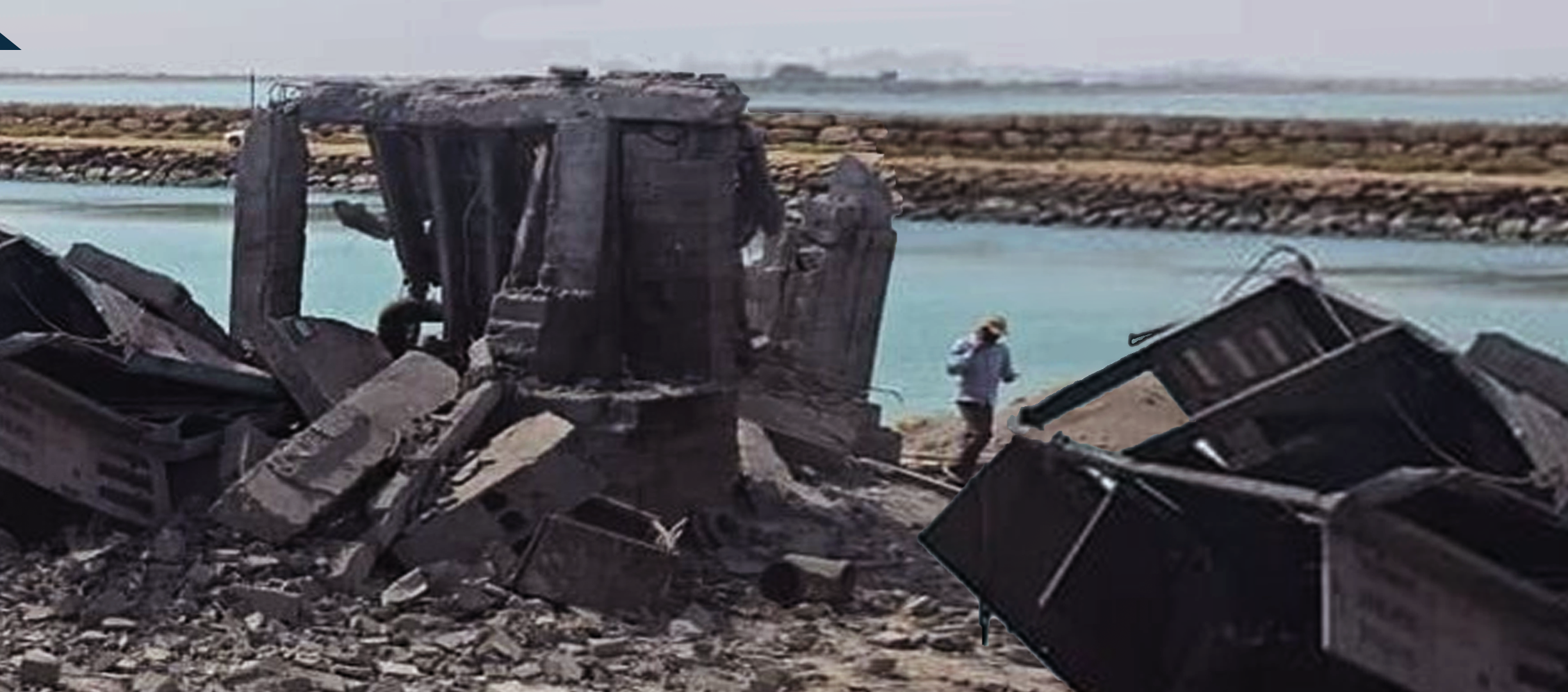
Given that Iran has publicly documented the destruction of several historical and civilizational monuments the country–including Golestan Palace in Tehran and Chehel Sotoun Palace in Isfahan–as a direct result of US-Israeli attacks, how do you assess the international community’s responsibility to condemn and prevent such systematic targeting of a nation’s cultural identity and heritage?
Any damage to cultural and historical sites–regardless of the country–is unacceptable and contradicts international law, including the norms enshrined within UNESCO and the relevant conventions on the protection of cultural heritage in times of conflict. Such sites are not only a national asset, but also part of the world’s cultural heritage. Their damage is a wound inflicted upon world culture.
It is particularly important to emphasize that in the case of countries with deep historical roots, such as Iran, we are not speaking merely about architectural objects. Cultural heritage is the material expression of civilizational memory, and its loss is perceived as a blow to identity. This is precisely why the issue goes beyond politics: it becomes a question of whether the contemporary international system is capable of protecting not only states, but civilizations as such. If the international community is unable to respond effectively to threats against cultural heritage, it undermines the very principles upon which the idea of global responsibility for the preservation of civilizations is built.
And the destruction of the material achievements of a culture–those which reflect its spirit in, for example, architecture–will only strengthen that culture in the hearts and minds of its bearers.
I would also like to add that the Eastern Cultural Center of the Institute of Oriental Studies of the Russian Academy of Sciences, which I head, will hold a charity concert, and all funds raised will be transferred through the Embassy of the Islamic Republic of Iran in the Russian Federation to support the restoration of Iran’s cultural heritage, which is also part of the world’s cultural heritage.
Interview by Mohaddeseh Pakravan