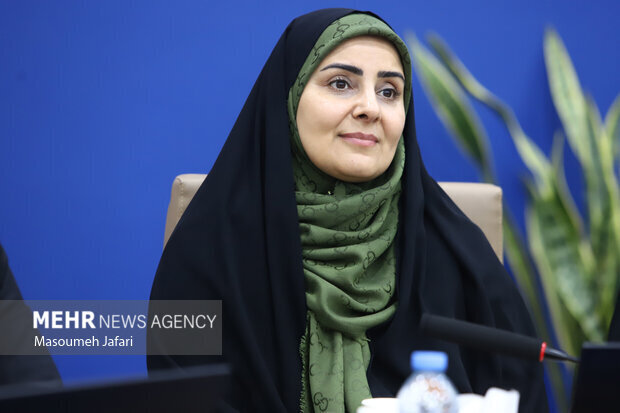
In a poignant video message recorded at the bombed B1 Bridge on the Northern Karaj Bypass Freeway; while carrying the backpack of a martyred student from Shajareh Tayyebeh School in Minab, Iran’s Minister of Roads and Urban Development Farzaneh Sadegh addressed the 13th Meeting of Transport Ministers of the Shanghai Cooperation Organization (SCO) member states. In her message, she outlined Iran’s latest initiatives to commercialize regional transit corridors and implement integrated corridor management systems.
Sadegh noted that the meeting took place amid ongoing attacks by the United States and Israel against Iran since February 28, 2026. She described these actions as violations of humanitarian principles and international law, calling them a significant threat to both regional and global peace.
She specifically condemned the attack on Shajareh Tayyebeh Primary School in Minab, which resulted in the deaths of 168 children, describing it as an atrocity driven by inhumane objectives. Sadegh called on the international community to denounce such attacks and express solidarity with independent states.

Sadegh highlighted Iran’s strategic position at the crossroads of the North–South and East–West transport corridors. She provided an overview of the country’s vast infrastructure, which includes 16 commercial ports with a combined capacity of 273 million tonnes along the Caspian Sea, Persian Gulf, and Gulf of Oman. Iran also boasts a 15,000‑kilometre railway network, over 250,000 kilometers of roads, and 26 land border terminals, ensuring uninterrupted transit.
She emphasized that Iran’s infrastructure supports the annual transportation of over 700 million tons of goods, with the country’s transit cargo volumes exceeding 20 million tons in the past year.
The minister outlined several initiatives aimed at improving transport and transit efficiency in the region. These include the commercialization of regional transit corridor networks, harmonizing border procedures with neighboring countries, implementing intelligent monitoring technologies, standardizing cargo transit formalities, and deploying integrated corridor management systems across the entire transit route.
Sadegh also highlighted the development of Chabahar Port as a key milestone for facilitating access to international waters, particularly for SCO member states, including landlocked countries. She noted that the port’s rail connection to Iran’s national railway network would be completed in the coming months, marking a significant step in enhancing its international role.
Additionally, she stressed the importance of digital transformation in streamlining logistics processes. Iran has embraced digitalization within its transit sector through the adoption of smart traffic management technologies.
In her closing remarks, Sadegh reaffirmed Iran’s commitment to deepening cooperation with SCO member states. She expressed hope that such collaboration would create opportunities for knowledge exchange, experience-sharing, and the development of innovative solutions to common transport and transit challenges.
“With joint efforts, we can build more resilient transport systems and enhance regional connectivity,” she stated.
Sadegh concluded by expressing gratitude to the Government of Kyrgyzstan and the SCO Secretariat for organizing the specialized meeting.
Farzaneh Sadegh, Iran’s Minister of Roads and Urban Development, recorded her video address to the 13th Meeting of Transport Ministers of the Shanghai Cooperation Organization (SCO) member states in Kyrgyzstan at the bombed B1 Bridge on the Northern Karaj Bypass Freeway, while carrying the backpack of a martyred student from Shajareh Tayyebeh School in Minab. The video was broadcast during the ministerial session.
MNA