Telangana High Court set aside adverse findings of the P C Ghose Commission against KCR, Harish Rao and others, citing violation of natural justice and statutory safeguards. The court ruled that no action can be taken based on the report while upholding the Commission’s constitution
Published Date – 22 April 2026, 11:04 PM
Hyderabad: The Telangana High Court on Wednesday set aside key adverse findings recorded by the Justice PC Ghose Commission against former Chief Minister K Chandrashekhar Rao, former minister T Harish Rao, retired IAS officer SK Joshi and IAS officer Smitha Sabharwal, holding that such findings were rendered in violation of principles of natural justice and statutory safeguards under Section 8B of the Commissions of Inquiry Act, 1952.
A Division Bench comprising Chief Justice Aparesh Kumar Singh and Justice GM Mohiuddin observed that the findings were prejudicial to the conduct and reputation of the petitioners and directed that no action shall be taken on their basis. However, the Bench upheld the legality of the State’s decision to constitute the Commission, ruling that its establishment under GO Ms No. 6 dated March 14, 2024 was neither arbitrary nor illegal.
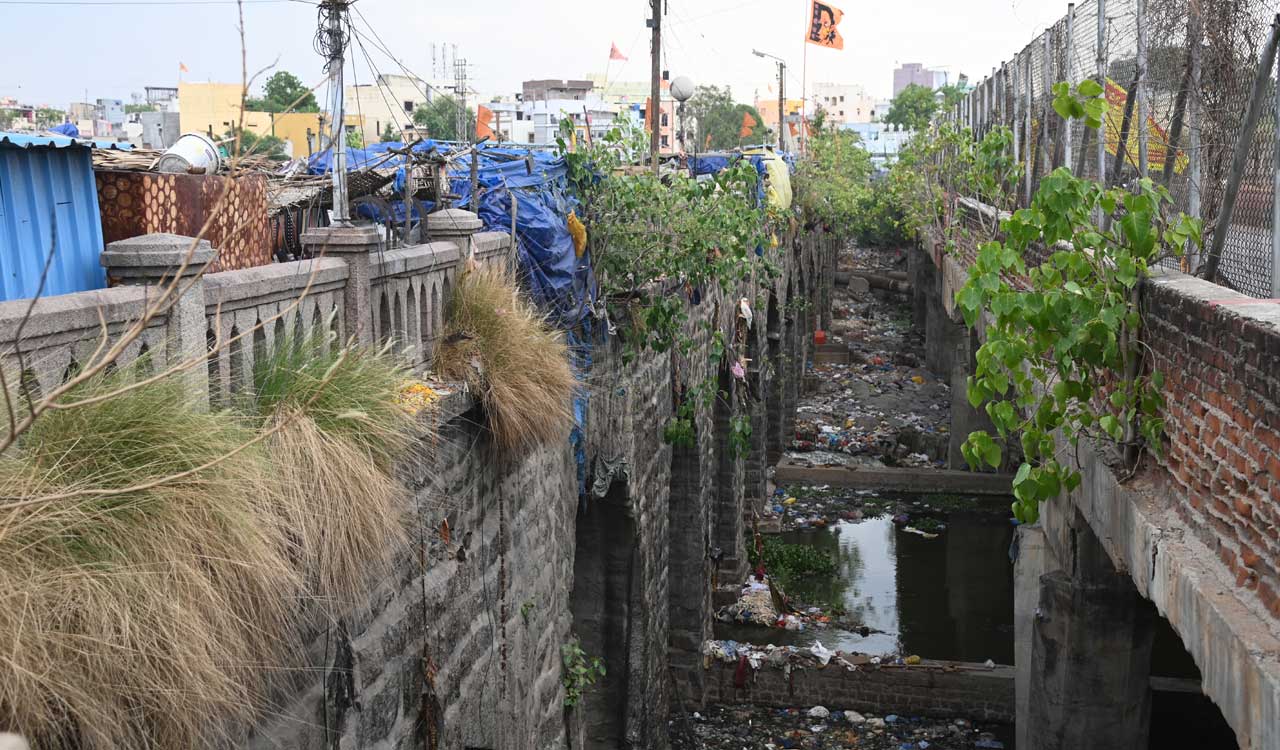
The Commission, headed by former Supreme Court judge Pinaki Chandra Ghose, had inquired into alleged irregularities in the execution of the Kaleshwaram Lift Irrigation Project and submitted its report on July 31, 2025. The report was subsequently tabled in the State Legislative Assembly, following which Chief Minister A Revanth Reddy announced that the matter would be referred to the Central Bureau of Investigation for further probe.
The Commission had reportedly fixed accountability on KCR in aspects of planning and execution, while also finding fault with Harish Rao and certain officials associated with the construction of the Medigadda, Annaram and Sundilla barrages.
The petitioners contended that they became aware of the allegedly prejudicial findings only through a press conference and a Power Point presentation made by the present Irrigation Minister after submission of the report. They challenged both the constitution of the Commission and its findings, arguing that the inquiry was initiated with a premeditated intent to indict them and discredit the previous government.
It was submitted that the terms of reference themselves reflected a preconceived approach, relying heavily on reports such as that of the National Dam Safety Authority (NDSA). The petitioners further argued that the Commission failed to comply with mandatory procedural safeguards under Sections 8B and 8C of the Act, as no proper notice along with adverse material was furnished to them before recording findings affecting their reputation.
They emphasised that Section 8B mandates a reasonable opportunity to defend oneself where adverse findings are contemplated, while Section 8C confers the right to cross-examine witnesses and be represented by counsel, both of which were denied.
Elaborating further, it was argued that the summons issued to the petitioners merely required their presence as witnesses and did not indicate that adverse findings were contemplated. In particular, it was pointed out that no proper notice was served on SK Joshi and Smitha Sabharwal, nor were they supplied with documents or incriminating material relied upon by the Commission.
The petitioners also denied allegations of negligence in the construction of the Medigadda barrage, attributing structural issues such as the sinking of a pier to natural factors like excessive rainfall rather than design or execution faults. They further contended that the Commission’s findings were vitiated by procedural irregularities and were liable to be set aside.
On the other hand, the State defended the constitution and functioning of the Commission, arguing that it was a fact-finding body established under the Commissions of Inquiry Act, 1952 to examine issues of public importance. It was contended that accepting the petitioners’ arguments would undermine the State’s power to institute such inquiries into alleged negligence and irregularities in public projects.
The State maintained that the Commission had relied on extensive material, including official records, expert reports and site inspections, and had meticulously examined the roles of all stakeholders. It was further argued that the report by itself does not have binding force and cannot be acted upon without a decision by the competent authority.
The State also pointed out that the matter had already been referred to the CBI through GO Ms No. 104, dated September 1, 2025, for investigation into allegations of irregularities, embezzlement of public funds and corruption.
The High Court, after considering rival submissions, framed two principal issues: whether the constitution of the Commission was valid, and whether its findings were rendered in violation of statutory safeguards and principles of natural justice. While upholding the validity of the Commission’s constitution, the court found that the Commission had failed to comply with the mandatory requirement of issuing notice under Section 8B before recording adverse findings.
It noted that findings branding officials as negligent, irresponsible or guilty of suppressing reports clearly affected their reputation and could not be sustained in the absence of due process. The court concluded that such findings would remain inoperative and could not form the basis for any further action, thereby granting substantial relief to the petitioners. The writ petitions were accordingly partly allowed, and no costs were awarded.