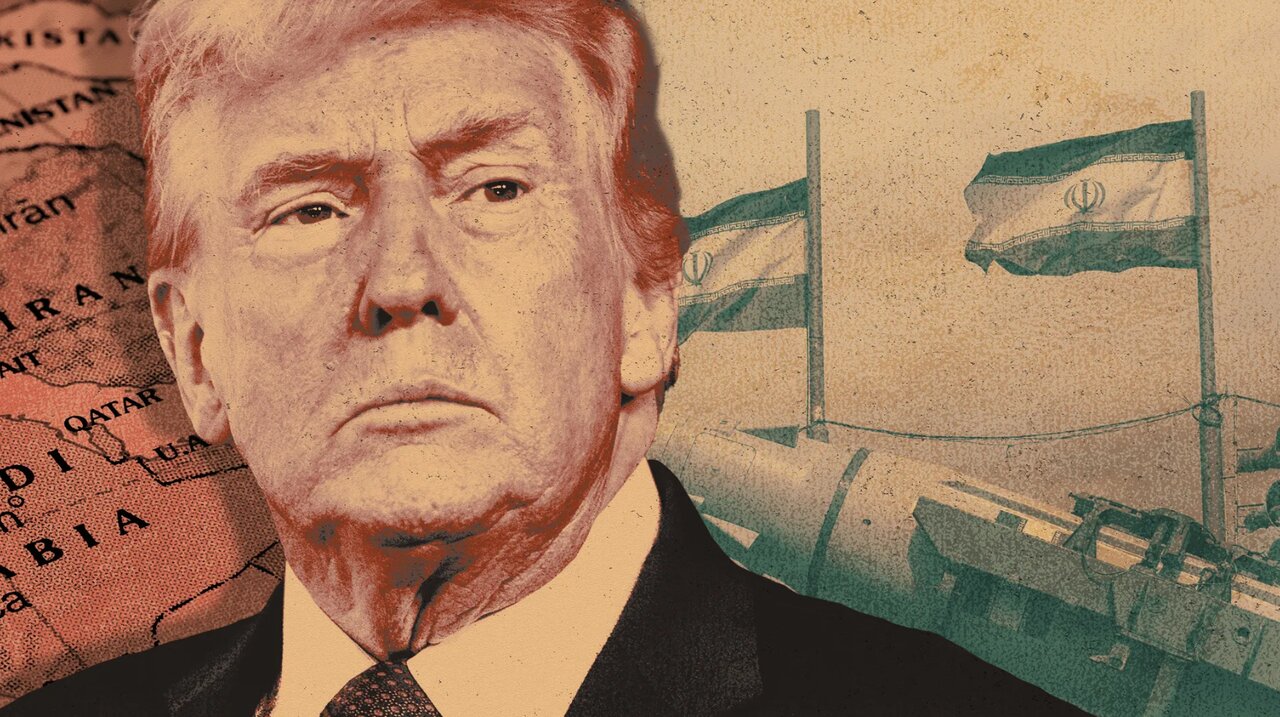
There is a defining image in the recent history of our region: a man in a simple black clerical robe, standing before a sea of his countrymen, speaking with the serene confidence of someone who has outlasted every empire that has sought to humble his nation. Just days before his martyrdom in an American-Israeli airstrike, Martyred Leader Ayatollah Seyyed Ali Khamenei offered a diagnosis so precise that it should be engraved on the walls of the State Department: “America wants to swallow Iran… but the honorable Iranian nation and the Islamic Republic prevent this.”
He did not say this with desperation. He said it with the cold clarity of a chess master watching an opponent repeat the same losing opening for the 47th consecutive year. Washington, armed with the largest military budget in human history and a treasury of sanctions, is stuck in a loop. The assumption in the White House remains stubbornly fixed: If we raise the pressure high enough, Iran will break.
As the spring of 2026 turns tense with the shadow of naval blockades and the closure of the Strait of Hormuz, this assumption is not merely wrong—it is culturally illiterate, historically ignorant, and strategically self-defeating. If Washington genuinely desires a new agreement with Tehran, it must first absorb a lesson that the Parthians taught Rome, the Safavids taught the Ottomans, and the Islamic Republic is now teaching the hegemonic powers: Bullying does not work in Iran.
The Anatomy of a Misreading
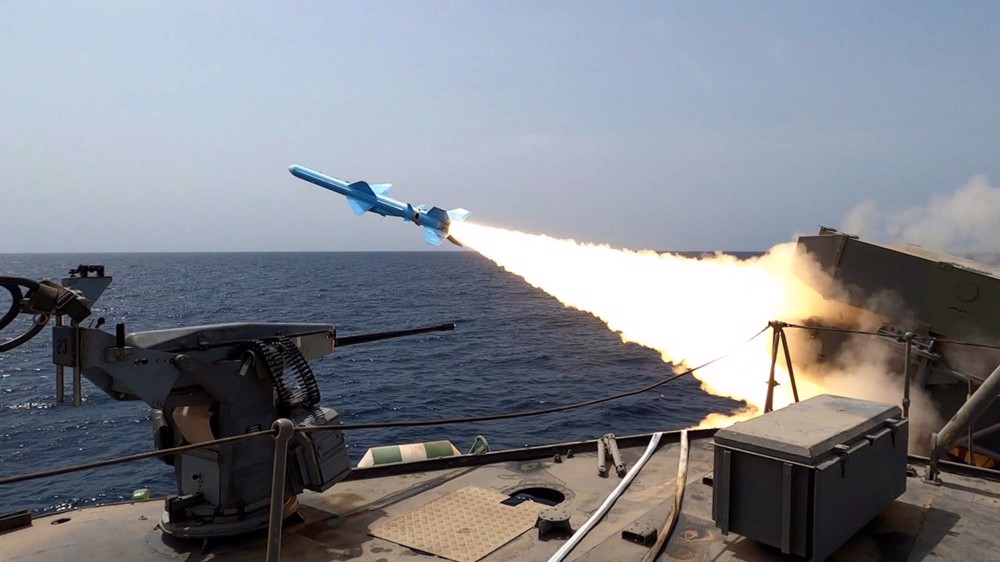
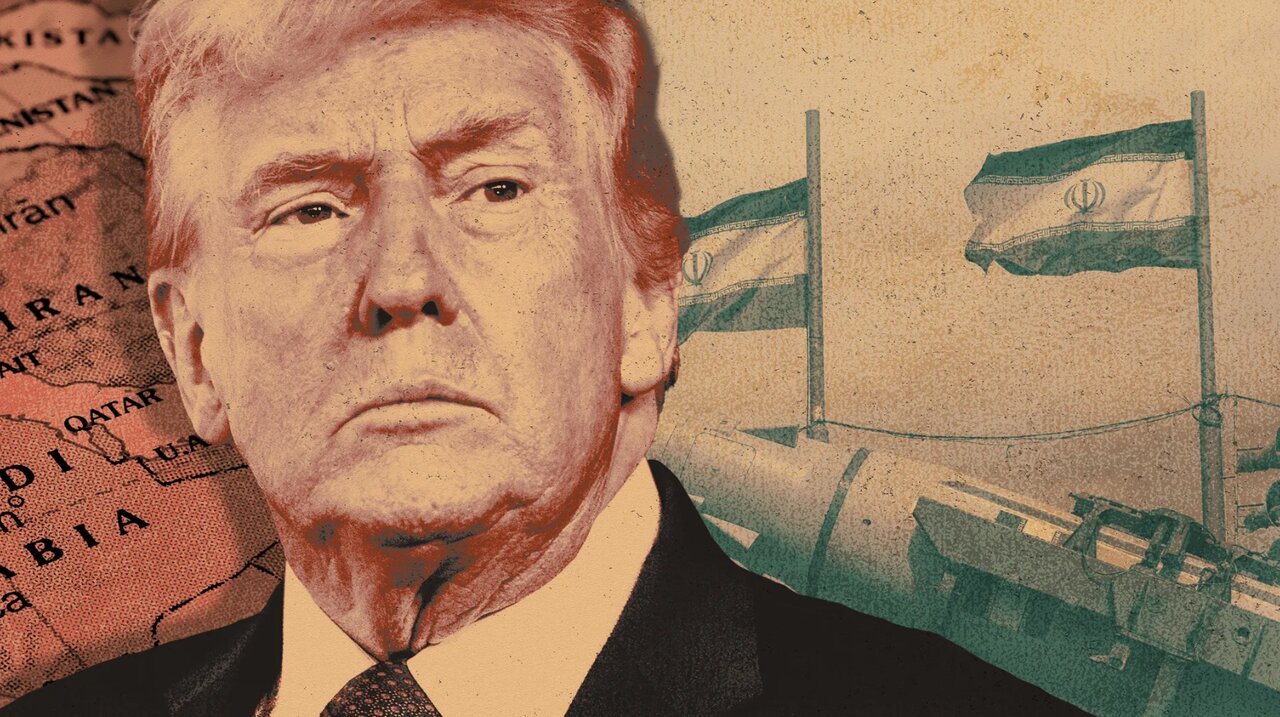
Let us examine the current state of play. The United States has escalated from Maximum Pressure to what it calls a naval blockade of the Iranian ports. The situation in the Strait of Hormuz is tense; Iranian military and political leaders have made it abundantly clear that they, and only they, will set the terms of passage in their territorial waters. American policymakers see this and recoil, interpreting Iran’s position as a bluff, just like what Donald Trump says in his posts on social media.
This is the fundamental error. It is the error of a power that views the world as a spreadsheet. They measure Iran by the metric of oil barrels sanctioned and foreign reserves frozen. They do not measure Iran by the metric of Gheyrat—that untranslatable Persian word of zeal, honor, and protective fury that renders the cost-benefit analysis of Western negotiation theory utterly useless.
When the American President boasts of a naval blockade, the American voter might see strength. The Iranian shopkeeper in the bazaar of Tehran sees an insult. And in the cultural calculus of the Iranian plateau, an insult demands a response, not a retreat. This is why sanctions have never produced a popular betrayal against the country. Quite the opposite. External pressure does not fragment Iranian society; it sutures the wounds of internal disagreement. The instinct to defend the homeland against the outsider is older than the Achaemenid Empire. It is in the Iranians’ bones.
The Historical Immune System
Iran possesses what one might call a civilizational immune system. This land has been invaded by ancient powers and modern armies. Each time, the adversary has discovered that launching the war is the easy part; breaking the Iranian spirit is impossible. Alexander burned Persepolis, but he could not burn the verses of Ferdowsi that would rise from those ashes:
“Cho Iran nabashad tan-e-man mabad / Bedin boom o bar zendeh yek tan mabad.”
(If Iran does not exist, let my body not exist; Let no one live in this land and territory.)
And from the lips of Rostam, the epic hero in Shahname, came the warning that has echoed through the centuries:
“Nadani ke Iran neshast-e-man ast / Jahan sar-be-sar zir-e-dast-e-man ast.”
(Know this: Iran is my throne; The whole world lies beneath my hand.)
These are not just pretty words for a museum exhibit. They are the operating system of the Iranian mind. When a nation’s foundational text equates national existence with individual existence, no amount of economic hardship will pry the people from the state. The Martyred Leader understood this. His warning that “America wants to swallow Iran” was not about territory; it was about identity. Washington seeks to absorb Iran into its own orbit, to digest it into the Western-led global order, thereby erasing the very independence that defines the Iranians. But the Iranian body politic is allergic to this ingestion. It rejects the transplant.
The Delusion of Coercive Diplomacy
The Biden administration and now the Trump administration have both been victims of the same mirage: that Iran can be compelled to negotiate from a position of weakness.
Let us be clear about the reality on the ground in April 2026. The Strait of Hormuz is closed. Global energy markets are in turmoil. Washington’s economic pressure has not isolated Iran; it has isolated the West from a stable energy supply. And yet, the American position remains frozen in time, insisting that Iran must make the first concession.
This is not diplomacy. This is a pathology of power. The JCPOA, whatever its ultimate fate, proved that when the other side recognizes Iran’s red lines and refrains from threats, Iranian negotiators are pragmatic and solutions-oriented.
But Washington forgot the lesson. It mistook Iran’s openness to diplomacy for a weakness to exploit. The Trump administration thought that by walking away from the deal and applying “maximum pressure,” it could force Iran to accept a “better deal,” which in Washington parlance means a deal where Iran gives up its defensive capabilities, its basic rights, and essentially its sovereignty.
The Martyred Leader’s analogy of “swallowing” was literal here. Washington wants a deal where Iran ceases to be Iran. And that is why they will never get it.
The Only Path Forward: Realism and Respect
The conclusion is inescapable. If the United States is genuinely interested in reaching an agreement with Iran, it must abandon the language of the bully.
Washington must accept three realities:
The rights of the Iranian nation are not for sale.
Threats produce resistance, not compliance.
Diplomacy requires equality.
If Washington wants to be treated as a partner in peace deal, it must stop acting like a predator. It must stop trying to “swallow” Iran and instead attempt to see it: a proud, ancient, and unyielding nation that will meet respect with respect and coercion with a stone wall.
Until that day comes, the words of the Martyred Leader will continue to echo across the Persian Gulf, a warning and a promise: America wants to swallow Iran… but it cannot.
MNA