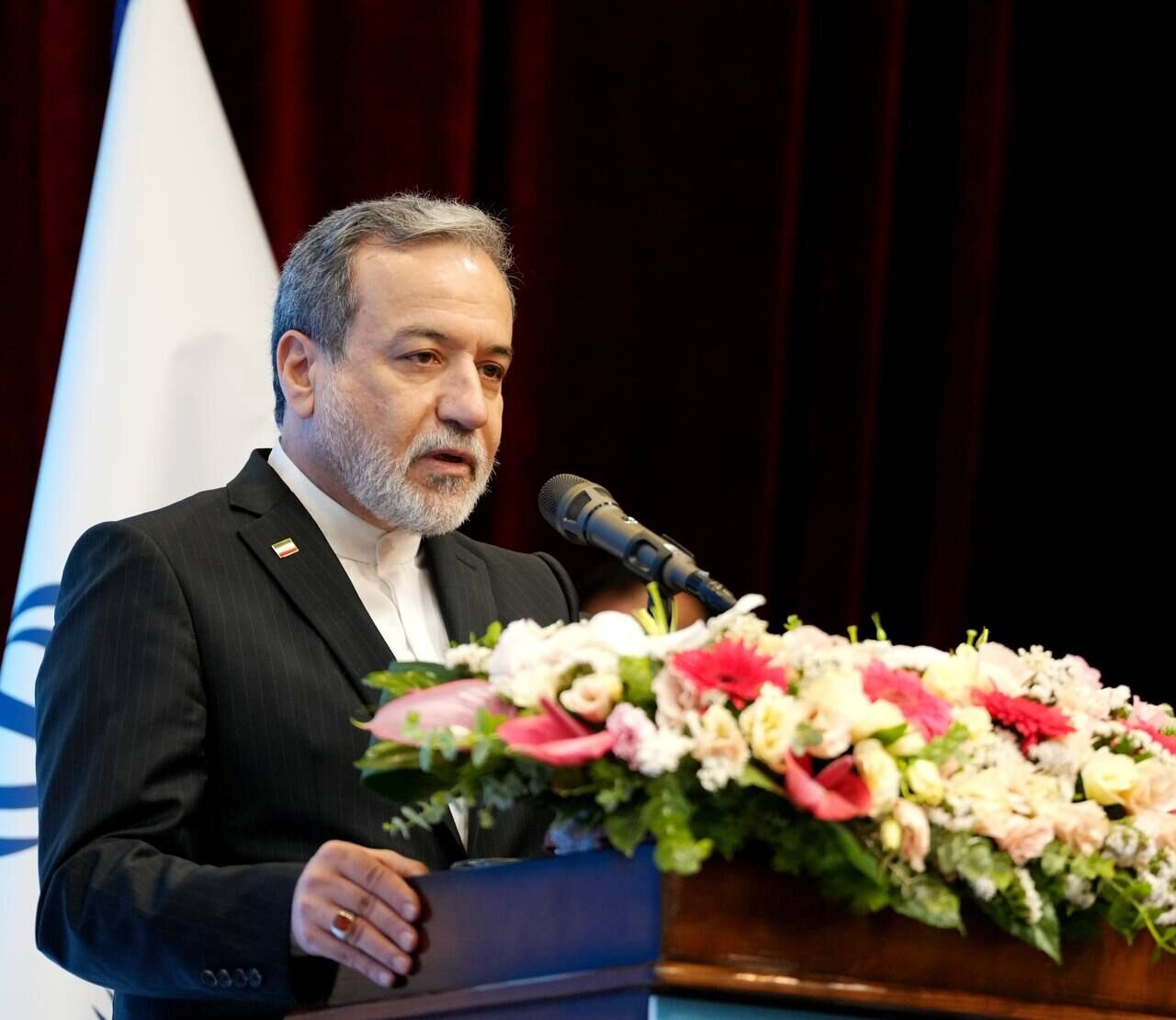
Speaking Sunday at the international conference “Ecocide: the Silent War Crime” in Tehran, Araghchi said the environment is humanity’s shared heritage, not an arena for rivalries or a victim of short-term economic and military calculations.
He said the term ecocide is structurally similar to genocide and represents a concept beyond a war crime against the environment, suggesting “nature-killing” as a Persian equivalent.
Araghchi said war damages water, soil, air, forests, farmland, energy resources, natural habitats and biodiversity, with effects that can last for years or decades after fighting ends.
He cited environmental devastation in Gaza, where UNEP has reported unprecedented damage including destruction of olive groves and contamination of water and soil; in Lebanon, where fires destroyed forests and tens of thousands of olive trees; and in Iran, where UNEP confirmed in March 2026 that attacks on oil facilities released hazardous compounds, recalling the “black rain” over Tehran.
Araghchi called for three axes of international cooperation: strengthening legal frameworks and clear criteria for identifying and addressing severe environmental destruction; creating scientific and impartial mechanisms to document damage from armed conflict; and developing regional and international cooperation to prevent destruction, rebuild ecosystems and support affected countries.
He said Iran supports recognising ecocide as an independent international crime, is ready to use its scientific, legal and diplomatic capacities, and called COP31 a suitable opportunity to draw global attention to the environmental effects of military attacks.
“We must not allow aggressors to escape responsibility for their criminal actions,” he said.
MNA