Two senior Democratic lawmakers have urged FBI Director Kash Patel to cancel a reported Russia visit, citing espionage and national security risks. They have sought a closed-door congressional briefing on the trip, FBI cooperation with foreign agencies and counterintelligence safeguards.
Published Date – 10 October 2026, 09:34 AM
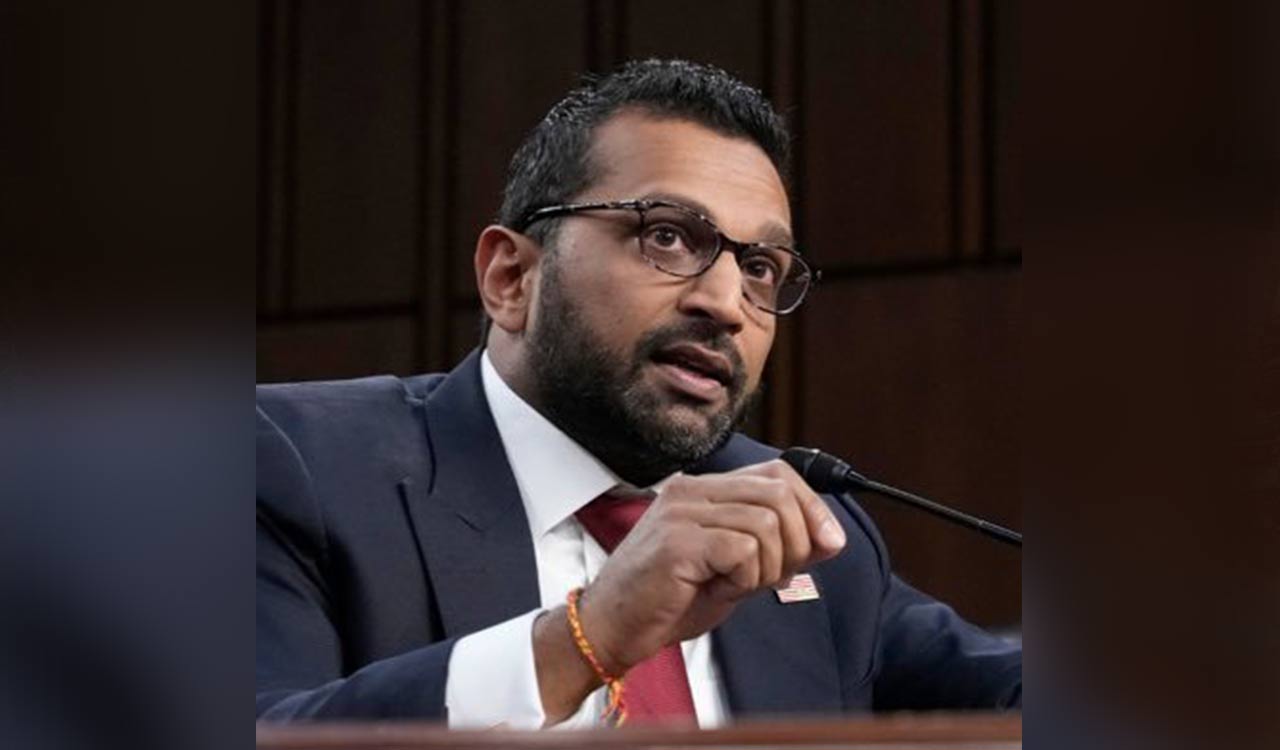
Washington: Two senior Democratic lawmakers have urged Indian-origin FBI Director Kash Patel to cancel a reported visit to Russia, warning that the trip could expose sensitive American intelligence to espionage and pose serious national security risks amid heightened tensions between Washington and Moscow.
Representatives Jim Himes, the top Democrat on the House Intelligence Committee, and Jamie Raskin, the ranking Democrat on the House Judiciary Committee, raised their concerns in a letter to Patel made public on Friday.
The lawmakers questioned why the head of America’s premier federal investigative agency would travel to Russia while Washington has imposed sweeping sanctions on Moscow over its war against Ukraine.
“In the interest of national security, we ask you to reconsider. Call off this trip,” the lawmakers wrote.
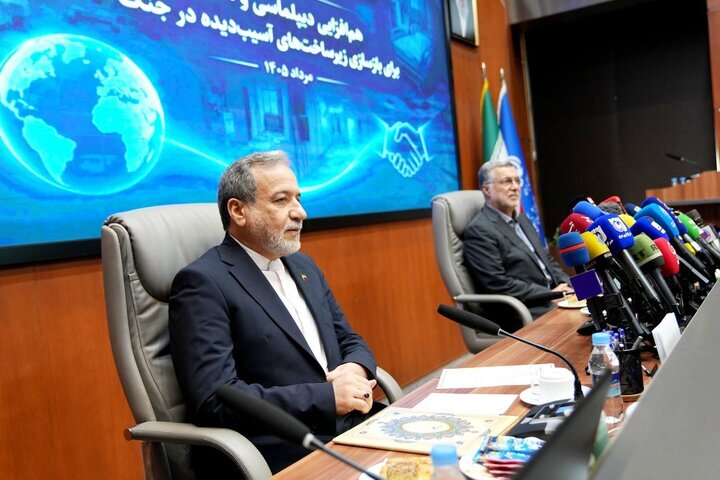
According to their letter, Patel is reportedly planning a two-day visit to Moscow and St Petersburg, where he is expected to be hosted by Russia’s Federal Security Service (FSB), the successor to the Soviet-era KGB.
The lawmakers warned that the FSB has a history of surveillance, cyber espionage and intelligence operations targeting American officials, diplomats and other US personnel.
They also expressed concern over reports that Patel has been pursuing closer cooperation between the FBI and Russian and Chinese law enforcement agencies, including personnel exchanges and intelligence sharing.
Such arrangements, they argued, could provide foreign intelligence services with opportunities to penetrate American institutions and obtain sensitive information.
The lawmakers questioned whether expanding cooperation with Moscow and Beijing was consistent with the administration’s broader national security priorities.
Their letter cited reports that Chinese officials had been granted unusual access to American intelligence personnel, diplomatic officials, government facilities and contractors.
The allegations concerning the scope of that access were based on previous media reports and were not independently established in the congressional statement.
They also cited continuing concerns about Russian cyber operations, election interference and alleged intelligence assistance to Iran in attacks involving American forces in the Middle East.
The letter referred to a reported Russian intelligence-linked plot to assassinate a prominent dissident in Washington.
The lawmakers said Patel had challenged US intelligence assessments of Russian interference in American elections in a documentary.
They did not provide evidence that Patel had compromised classified information, and the letter did not establish that any security breach had occurred.
If Patel proceeds with the visit, Himes and Raskin have demanded a closed-door congressional briefing by 5 pm on October 12.
They want details of the FBI’s cooperation with Russia, China, Iran and North Korea, including any objections raised internally by intelligence or law enforcement officials.
The requested briefing would also examine who proposed the Russia visit, its purpose, Patel’s itinerary, planned meetings and the identities of those accompanying him.
The lawmakers specifically sought information about measures to protect against Russian espionage, including secure communications and other counterintelligence safeguards.
The October 5 letter was released publicly on October 9.
Patel, who is of Indian origin, heads the FBI, which is responsible for federal criminal investigations, domestic counterintelligence and counterterrorism operations. The bureau also maintains international law enforcement relationships to address transnational crime and security threats.